
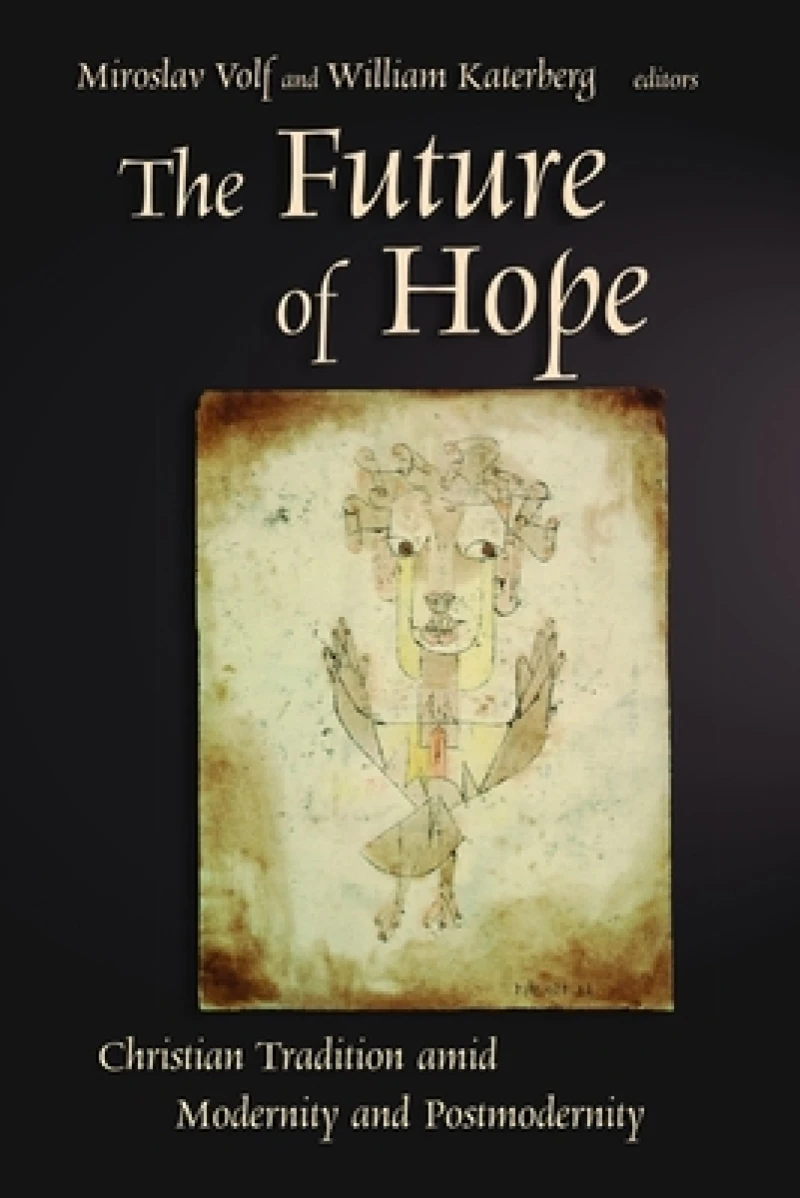
The Future of Hope : Christian Tradition Amid Modernity and Postmodernity
Book Details
Format
Paperback / Softback
ISBN-10
0802827527
ISBN-13
9780802827524
Publisher
William B Eerdmans Publishing Co
Imprint
William B Eerdmans Publishing Co
Country of Manufacture
GB
Country of Publication
GB
Publication Date
Apr 26th, 2004
Print length
248 Pages
Weight
370 grams
Dimensions
15.40 x 22.90 x 1.90 cms
Product Classification:
Christian theologyChristianity
Ksh 3,950.00
Temporarily out of stock, due soon
0 in stock
Delivery Location
Delivery fee: Select location
Secure
Quality
Fast
This is a print on demand book and is therefore non- returnable.
Over the last three decades a major cultural shift has taken place in the attitudes of Western societies toward the future. Modernity's eclipse by postmodernity is characterized in large part by the loss of hope for a future substantially better than the present. Old optimism about human progress has given way to uncertainty and fear. In this book scholars from various disciplines — theology, the social sciences, and the humanities — explore the move from a "culture of optimism" to a culture of ambiguity," and they seek to infuse today's jaded language of hope with a new vitality.
The Future of Hope offers a powerful critique of today's stifling cultural climate and shows why the vision of hope central to Christian faith must be a basic component of any flourishing society. The first section of the book sets the context telling cultural criticism of modernity. The second section focuses on affinities between premodern Christian visions of hope and twentieth-century thought. The final section of the book examines the relationship between postmodern thought, Christian tradition, and biblical hope, addressing how Christians in a postmodern world can best articulate their faith.
Written by truly profound thinkers, these chapters are diverse in their content, methodologies, and temperament, yet they are united by a deep engagement with both the Christian tradition and the larger cultural and intellectual climate in which we live and work. The Future of Hope can thus be read not just as an attempt at retrieval of hope for today but as itself one small act of hope in an age when people too seldom take time to think critically and hopefully.
Over the last three decades a major cultural shift has taken place in the attitudes of Western societies toward the future. Modernity's eclipse by postmodernity is characterized in large part by the loss of hope for a future substantially better than the present. Old optimism about human progress has given way to uncertainty and fear. In this book scholars from various disciplines — theology, the social sciences, and the humanities — explore the move from a "culture of optimism" to a culture of ambiguity," and they seek to infuse today's jaded language of hope with a new vitality.
The Future of Hope offers a powerful critique of today's stifling cultural climate and shows why the vision of hope central to Christian faith must be a basic component of any flourishing society. The first section of the book sets the context telling cultural criticism of modernity. The second section focuses on affinities between premodern Christian visions of hope and twentieth-century thought. The final section of the book examines the relationship between postmodern thought, Christian tradition, and biblical hope, addressing how Christians in a postmodern world can best articulate their faith.
Written by truly profound thinkers, these chapters are diverse in their content, methodologies, and temperament, yet they are united by a deep engagement with both the Christian tradition and the larger cultural and intellectual climate in which we live and work. The Future of Hope can thus be read not just as an attempt at retrieval of hope for today but as itself one small act of hope in an age when people too seldom take time to think critically and hopefully.
Get The Future of Hope by at the best price and quality guaranteed only at Werezi Africa's largest book ecommerce store. The book was published by William B Eerdmans Publishing Co and it has pages.

