
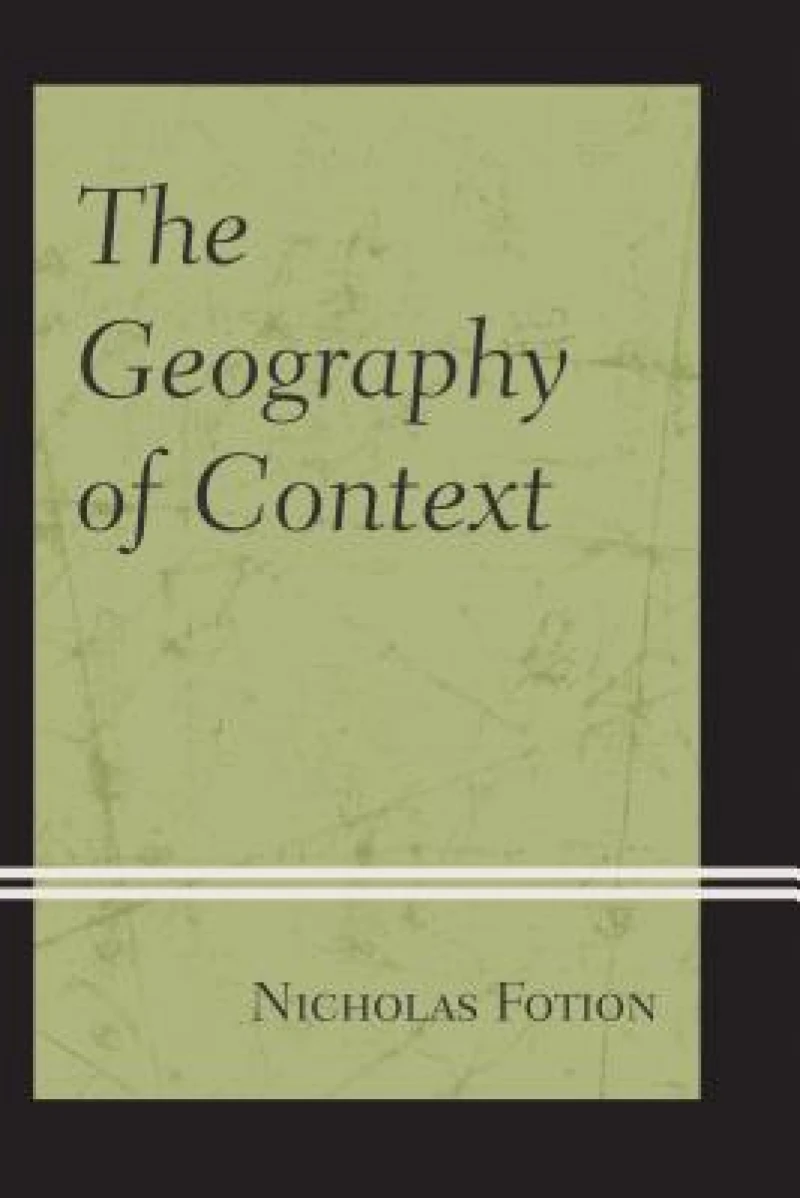
The Geography of Context
Book Details
Format
Paperback / Softback
ISBN-10
0761871039
ISBN-13
9780761871033
Publisher
University Press of America
Imprint
Hamilton Books
Country of Manufacture
GB
Country of Publication
GB
Publication Date
Jan 9th, 2019
Print length
120 Pages
Weight
195 grams
Dimensions
22.20 x 15.20 x 1.00 cms
Product Classification:
Philosophy of language
Ksh 5,750.00
Manufactured on Demand
0 in stock
Delivery Location
Delivery fee: Select location
Secure
Quality
Fast
We cannot use language without having context in place. But context is not a single thing. Instead, typically, each use of language presupposes a complex set of beliefs, habits, behaviors, and moral commitments.
When we use language, we presuppose many different things. Context is another name for these presuppositions. But it also can be the name of all these different presuppositions ordered in a certain way. This study of context focuses on the differences since many studies of context focus excessively on usage found in the sciences and in everyday observations. Other uses such as promising, giving directions, evaluating (i.e., ranking) all sorts of things around us, expressing our feelings, and issuing declarations (e.g., “You are promoted”) are equally important. The analogy of ‘geography,’ as used in this study, suggests that one important way to study context is to attend to all, not just one, of the “continents” found in the “planet” that we call context. Once we learn our geography lesson, we come to a better understanding of how context can change, how it can be ordered, and how it can be examined. We also learn how layered, and thus how complicated it is.
Get The Geography of Context by at the best price and quality guaranteed only at Werezi Africa's largest book ecommerce store. The book was published by University Press of America and it has pages.

