

The Good Cartesian : Louis de La Forge and the Rise of a Philosophical Paradigm
Book Details
Format
Hardback
ISBN-10
0197671713
ISBN-13
9780197671719
Publisher
Oxford University Press Inc
Imprint
Oxford University Press Inc
Country of Manufacture
GB
Country of Publication
GB
Publication Date
Aug 29th, 2024
Print length
344 Pages
Weight
635 grams
Dimensions
15.00 x 22.60 x 3.10 cms
KSh 12,500.00
Currently unavailable
0 in stock
Delivery Location
Delivery fee: Select location
Secure
Quality
Fast
Steven Nadler presents a biographical and philosophical study of Louis de La Forge (1632-1666), a medical doctor who was an extremely important, but for a long time relatively neglected, follower of Descartes in the seventeenth century. His sophisticated contributions to the metaphysics, philosophy of mind, and physiology of Cartesianism in the decades after Descartes'' death in 1650 were instrumental in making that philosophy the dominant philosophical paradigm of the period; it would be supplanted by Newtonianism only in the eighteenth century. La Forge began his Cartesian career by providing wood-cut illustrations and an extensive commentary for the 1664 edition of Descartes'' Traité de l''homme, the first original-language publication of part of the larger, groundbreaking treatise Le Monde that was left unpublished in Descartes'' lifetime. In his commentary, La Forge is a devoted and faithful but not uncritical disciple who defends, supplements, updates and even corrects Descartes'' account of the human body, which treats it as a “machine” that operates on the principles of the mechanical philosophy. In 1666, La Forge published his own Traité de l''esprit de l''homme, a treatise on the human mind. Explaining the mind and its union with the body was something that Descartes had long planned to do but never really carried out in a systematic manner. La Forge''s most innovative and influential philosophical contribution in the Traité--one which goes beyond anything Descartes envisioned--is his limited version of the doctrine of occasionalism, which accords God an active and ongoing causal role in the world and reduces natural substances to being “occasions” for God''s efficacious activity. La Forge thereby set the stage for later, even more unorthodox developments in Cartesianism.
Get The Good Cartesian by Steven Nadler at the best price and quality guaranteed only at Werezi Africa's largest book ecommerce store. The book was published by Oxford University Press Inc and it has 344 pages.
Customers Who Bought This Also Bought

Decolonizing Language and Other Revolutionary Ideas
KSh 2,350.00

How to Read a Book
KSh 2,000.00
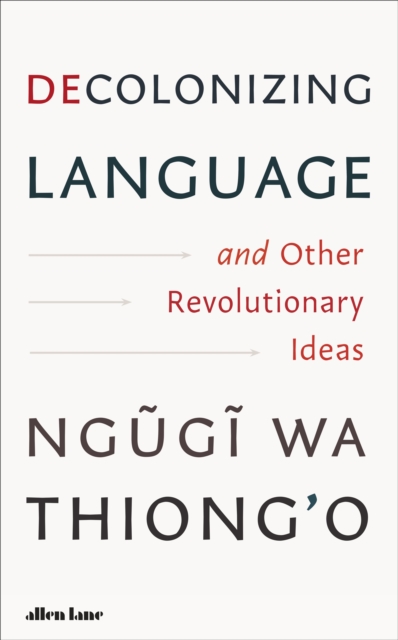
Decolonizing Language and Other Revolutionary Ideas
KSh 3,600.00

Creative Act
KSh 3,250.00
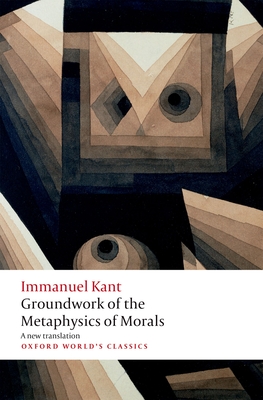
Groundwork for the Metaphysics of Morals
KSh 2,000.00

Things in Nature Merely
KSh 2,000.00
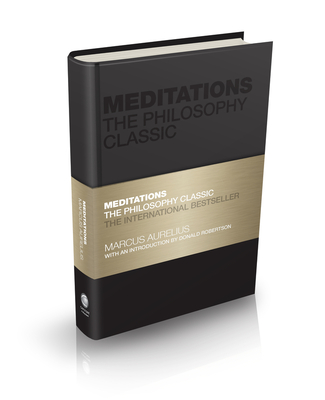
Meditations – The Philosophy Classic
KSh 2,150.00

Great Ideas Social Contract
KSh 1,450.00
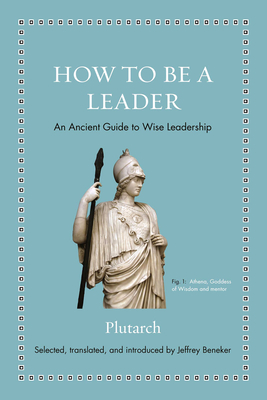
How to Be a Leader – An Ancient Guide to Wise Leadership
KSh 2,800.00
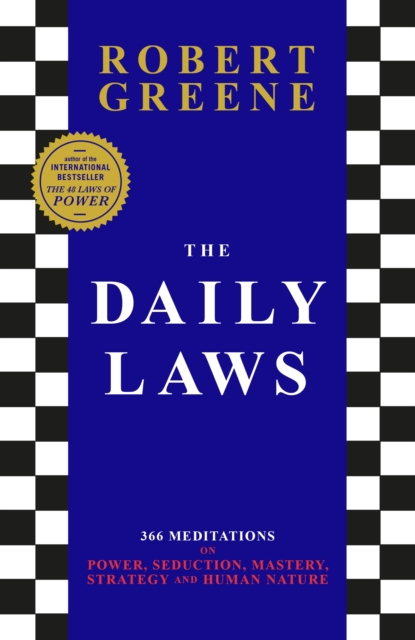
The Daily Laws
KSh 2,350.00

Three Critiques, 3-volume Set
KSh 14,000.00

Philosophical Dictionary
KSh 2,700.00
More by Steven Nadler

Why Read Maimonides Today?
KSh 8,100.00

Why Read Maimonides Today?
KSh 2,700.00

Spinoza, Atheist
KSh 4,500.00
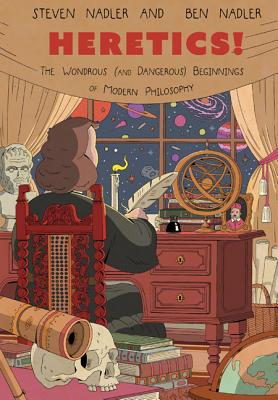
Heretics! – The Wondrous (and Dangerous) Beginnings of Modern Philosophy
KSh 3,900.00

Think Least of Death – Spinoza on How to Live and How to Die
KSh 6,300.00
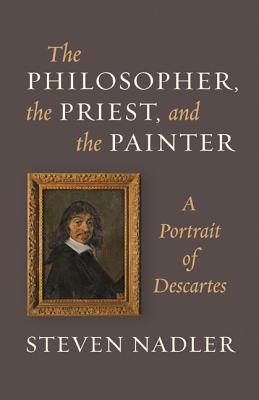
The Philosopher, the Priest, and the Painter
KSh 3,600.00
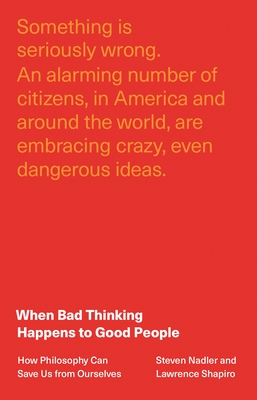
When Bad Thinking Happens to Good People – How Philosophy Can Save Us from Ourselves
KSh 3,600.00
Menasseh ben Israel – Rabbi of Amsterdam
KSh 3,900.00

Rembrandt's Jews
KSh 4,200.00

Descartes – The Renewal of Philosophy
KSh 3,600.00

Spinoza
KSh 8,900.00

Spinoza
KSh 4,700.00
