
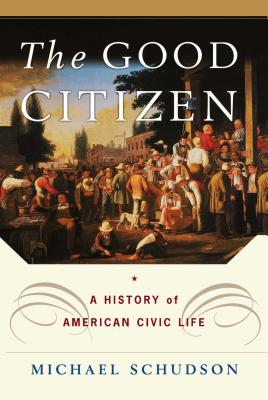
The Good Citizen : A History of American CIVIC Life
Book Details
Format
Paperback / softback
ISBN-10
1451631626
ISBN-13
9781451631623
Publisher
Simon & Schuster
Imprint
The Free Press
Country of Manufacture
GB
Country of Publication
GB
Publication Date
Jan 1st, 2011
Print length
400 Pages
Weight
604 grams
Dimensions
15.40 x 22.90 x 2.50 cms
KSh 4,500.00
Currently unavailable
0 in stock
Delivery Location
Delivery fee: Select location
Secure
Quality
Fast
In 1996 less than half of all eligible voters even bothered to vote. Fewer citizens each year follow government and public affairs regularly or even think they should. Is popular sovereignty a failure?
Not necessarily, argues Michael Schudson in this provocative and unprecedented history of citizenship in America. Measuring voter turnout or attitudes is a poor approximation of citizenship. The meaning of voting -- and what counts as politics -- has changed dramatically over the course of our history. We have passed through three distinct eras in the definition and demonstration of good citizenship, and we are now struggling to find a footing in a fourth.
When the nation was founded, being a citizen meant little more than for property-owning white males to delegate authority to a local gentleman -- and accept his complimentary glass of rum on election day. This "politics of assent" gave way early in the nineteenth century to a "politics of parties." Parties conducted elaborate campaigns of torchlight processions and monster meetings; voting day was filled with banter, banners, fighting, and drinking. Party ticket peddlers handed voters preprinted tickets to place in the ballot box before stepping over to the tavern for a few dollars'' reward from the party. We now call this corruption. At the time, it was called loyalty.
The third model of citizenship, ushered in by Progressive reformers, was a "politics of information." Campaigning became less emotional and more educational. Voting was by secret ballot. With civil-service reform, parties were limited in the rewards they could bestow. This was the era of the "informed voter." Under this scheme, the twentieth century has been ruled by everyone, and no one, all at once.
Today, after the rights revolution, political participation takes place in schools, at home, at work, and in the courts. We have made "informed citizenship" an overwhelming task. Schudson argues that it is time for a new model, in which we stop expecting everyone to do everything. The new citizenship must rest on citizens who are monitors of political danger rather than walking encyclopedias of governmental news. This fascinating tour of the past makes it possible to imagine a very different -- and much more satisfying -- future.
Not necessarily, argues Michael Schudson in this provocative and unprecedented history of citizenship in America. Measuring voter turnout or attitudes is a poor approximation of citizenship. The meaning of voting -- and what counts as politics -- has changed dramatically over the course of our history. We have passed through three distinct eras in the definition and demonstration of good citizenship, and we are now struggling to find a footing in a fourth.
When the nation was founded, being a citizen meant little more than for property-owning white males to delegate authority to a local gentleman -- and accept his complimentary glass of rum on election day. This "politics of assent" gave way early in the nineteenth century to a "politics of parties." Parties conducted elaborate campaigns of torchlight processions and monster meetings; voting day was filled with banter, banners, fighting, and drinking. Party ticket peddlers handed voters preprinted tickets to place in the ballot box before stepping over to the tavern for a few dollars'' reward from the party. We now call this corruption. At the time, it was called loyalty.
The third model of citizenship, ushered in by Progressive reformers, was a "politics of information." Campaigning became less emotional and more educational. Voting was by secret ballot. With civil-service reform, parties were limited in the rewards they could bestow. This was the era of the "informed voter." Under this scheme, the twentieth century has been ruled by everyone, and no one, all at once.
Today, after the rights revolution, political participation takes place in schools, at home, at work, and in the courts. We have made "informed citizenship" an overwhelming task. Schudson argues that it is time for a new model, in which we stop expecting everyone to do everything. The new citizenship must rest on citizens who are monitors of political danger rather than walking encyclopedias of governmental news. This fascinating tour of the past makes it possible to imagine a very different -- and much more satisfying -- future.
Get The Good Citizen by Michael Schudson at the best price and quality guaranteed only at Werezi Africa's largest book ecommerce store. The book was published by Simon & Schuster and it has 400 pages.
Customers Who Bought This Also Bought
Born in Blackness – Africa, Africans, and the Making of the Modern World, 1471 to the Second World War
KSh 2,950.00

Migrations
KSh 5,450.00
The Lost City of Z
KSh 2,000.00
On War
KSh 1,200.00
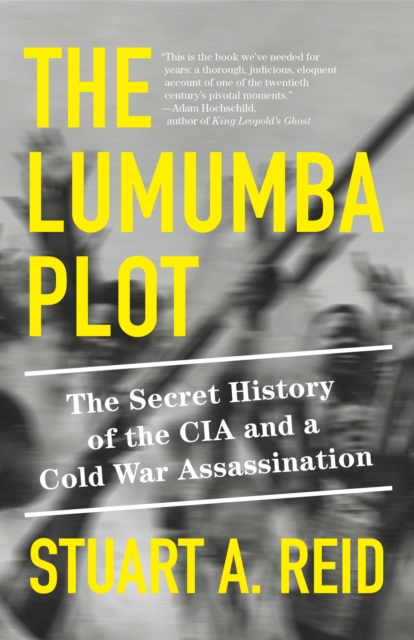
The Lumumba Plot
KSh 3,050.00
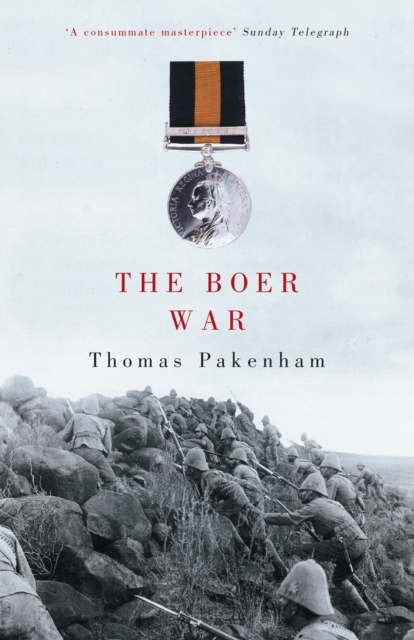
Boer War
KSh 3,400.00
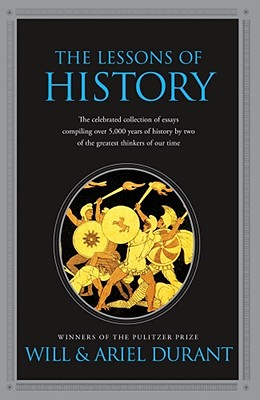
The Lessons of History
KSh 1,800.00
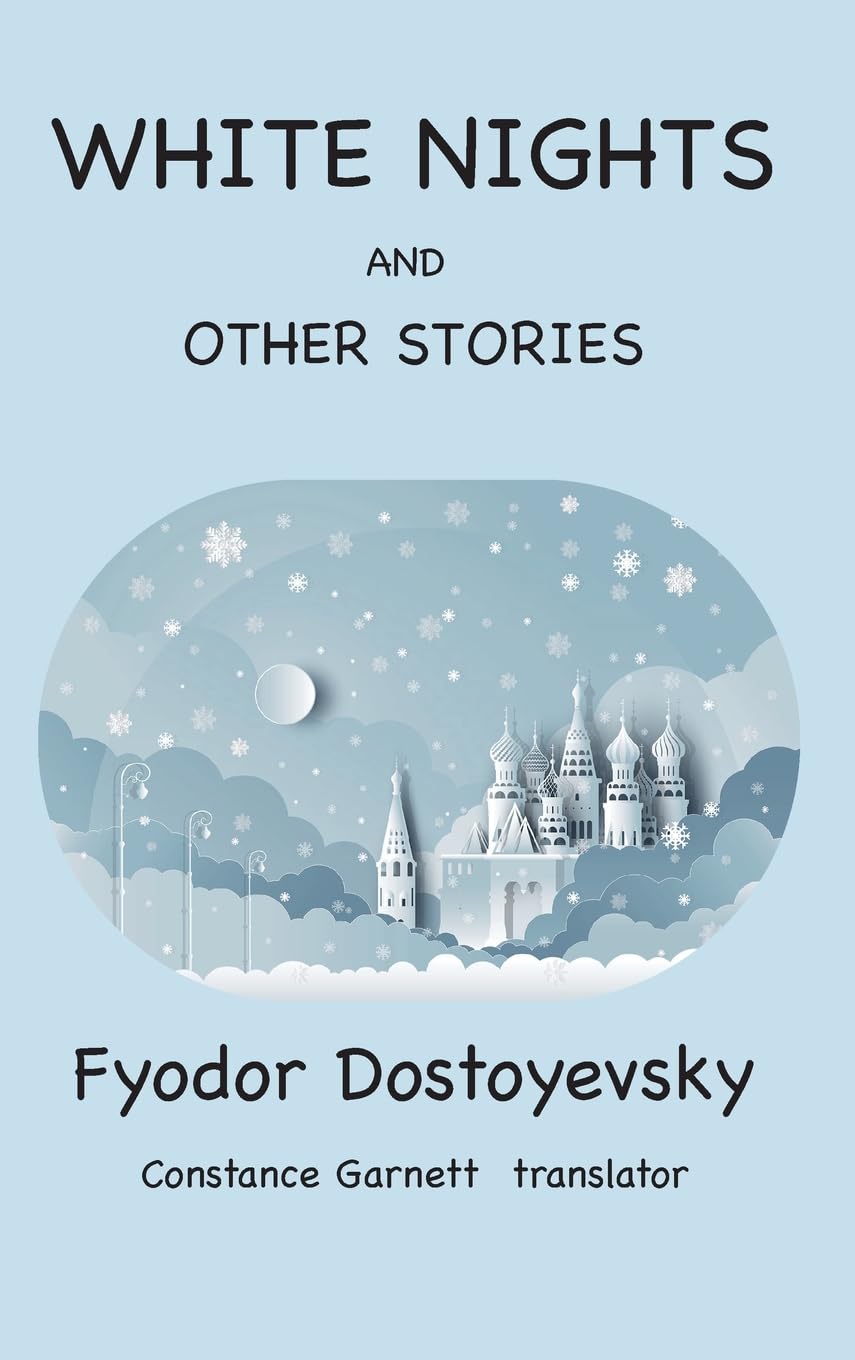
White Nights and Other Stories
KSh 3,900.00
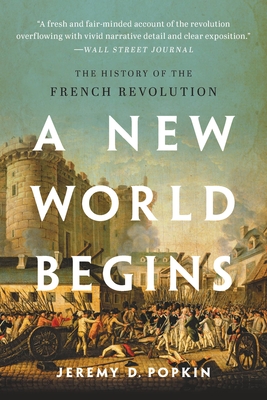
A New World Begins
KSh 3,950.00

Reformation
KSh 3,400.00

Hiroshima Men
KSh 4,500.00
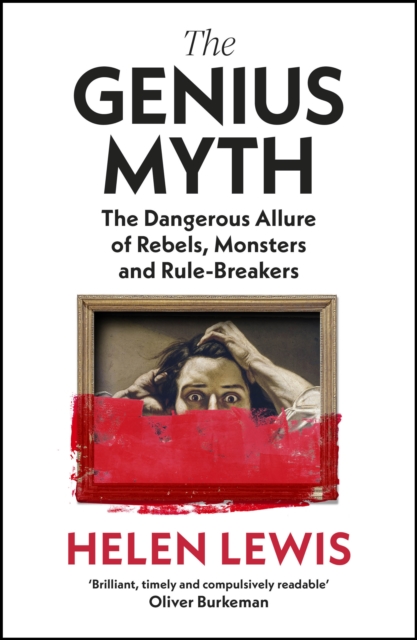
Genius Myth
KSh 3,050.00
More by Michael Schudson
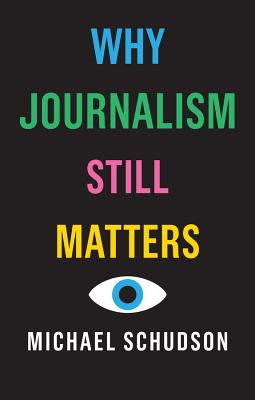
Why Journalism Still Matters
KSh 2,950.00
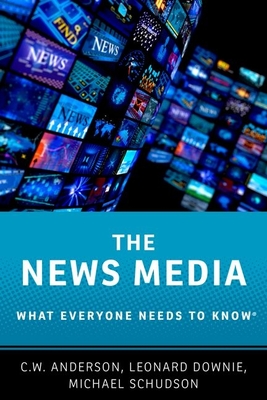
The News Media
KSh 8,650.00
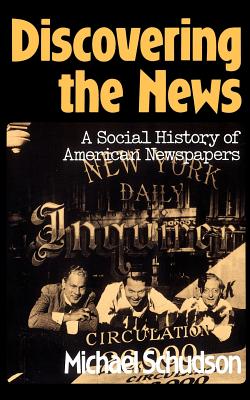
Discovering The News
KSh 3,900.00
Advertising, the Uneasy Persuasion
KSh 9,700.00
Advertising, The Uneasy Persuasion
KSh 33,150.00
The Sociology of News
KSh 4,450.00
Journalism – Why It Matters
KSh 1,800.00
The Power of News
KSh 6,100.00
The Rise of the Right to Know
KSh 4,650.00
