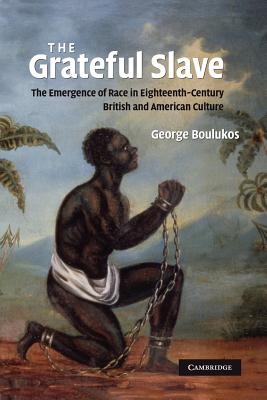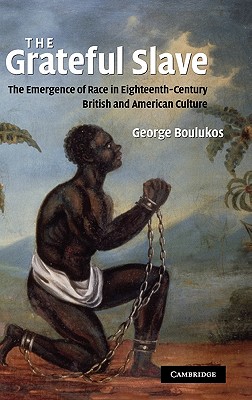
The Grateful Slave : The Emergence of Race in Eighteenth-Century British and American Culture
Book Details
Format
Hardback
ISBN-10
052188571X
ISBN-13
9780521885713
Publisher
Cambridge University Press
Imprint
Cambridge University Press
Country of Manufacture
GB
Country of Publication
GB
Publication Date
Apr 10th, 2008
Print length
290 Pages
Weight
600 grams
Dimensions
22.90 x 15.20 x 2.10 cms
Product Classification:
Literary studies: generalLiterary studies: c 1500 to c 1800
KSh 16,900.00
Currently unavailable
0 in stock
Delivery Location
Delivery fee: Select location
Secure
Quality
Fast
The literary trope of the grateful slave was used to justify colonial practices of white supremacy in the eighteenth century. Taking in literary sources as well as texts on colonialism and slavery, in this book Boulukos offers a fresh account of the development of racial difference in the eighteenth-century English-speaking world.
The figure of the grateful slave, devoted to his or her master in thanks for kind treatment, is ubiquitous in eighteenth-century writing from Daniel Defoe's Colonel Jack (1722) to Maria Edgeworth's 'The Grateful Negro' (1804). Yet this important trope, linked with discourses that tried to justify racial oppression, slavery and colonialism, has been overlooked in eighteenth-century literary research. Challenging previous accounts of the relationship between sentiment and slavery, in this book George Boulukos shows how the image of the grateful slave contributed to colonial practices of white supremacy in the later eighteenth century. Seemingly sympathetic to slaves, the trope actually undermines their cause and denies their humanity by showing African slaves as willingly accepting their condition. Taking in literary sources as well as texts on colonialism and slavery, Boulukos offers a fresh account of the development of racial difference, and of its transatlantic dissemination, in the eighteenth-century English-speaking world.
Get The Grateful Slave by George Boulukos at the best price and quality guaranteed only at Werezi Africa's largest book ecommerce store. The book was published by Cambridge University Press and it has 290 pages.
Customers Who Bought This Also Bought

How to Read a Book
KSh 2,000.00
Decolonising the Mind
KSh 4,700.00

How to Read & Why
KSh 2,350.00
Arabian Nights'' Entertainments
KSh 2,950.00
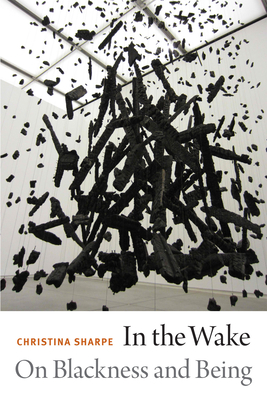
In the Wake
KSh 3,600.00
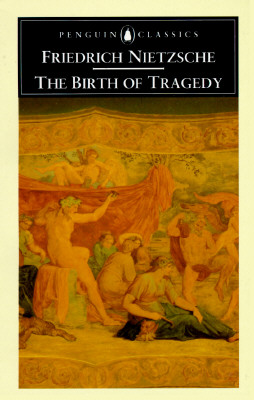
The Birth of Tragedy
KSh 1,800.00
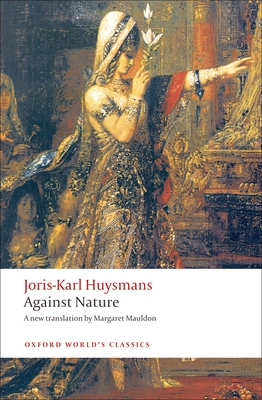
Against Nature
KSh 1,800.00
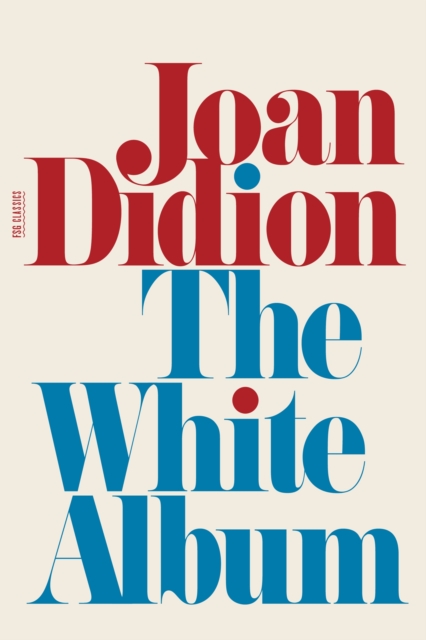
The White Album
KSh 3,250.00
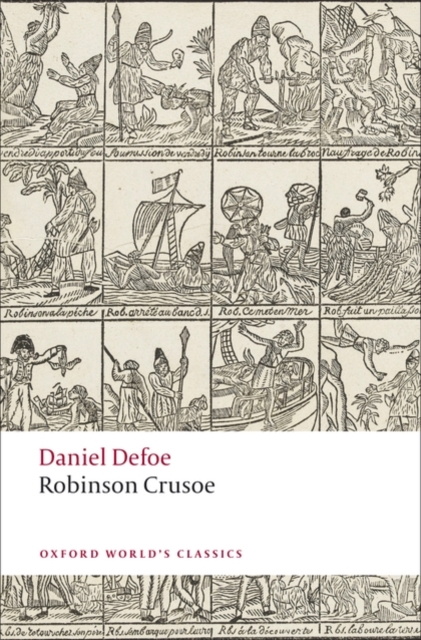
Robinson Crusoe
KSh 1,450.00
Metaphysical Poetry
KSh 2,350.00
Reading Lessons
KSh 2,350.00

Literature Book
KSh 4,250.00