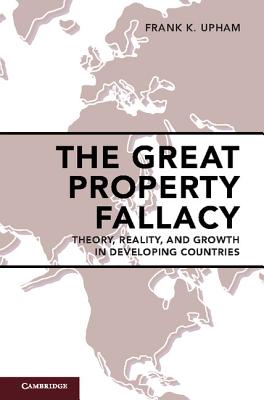
The Great Property Fallacy : Theory, Reality, and Growth in Developing Countries
Book Details
Format
Hardback
ISBN-10
1108422837
ISBN-13
9781108422833
Publisher
Cambridge University Press
Imprint
Cambridge University Press
Country of Manufacture
GB
Country of Publication
GB
Publication Date
Feb 1st, 2018
Print length
160 Pages
Weight
360 grams
Dimensions
23.50 x 15.50 x 1.40 cms
KSh 11,900.00
Currently unavailable
0 in stock
Delivery Location
Delivery fee: Select location
Secure
Quality
Fast
The Great Property Fallacy is for anyone interested in the role of legal institutions, and specifically property rights in economic, social, and political development - whether in Western history or contemporary developing countries. This book analyzes how rich countries and international institutions can (and cannot) help the rest of the world develop.
In this groundbreaking book, Frank K .Upham uses empirical analysis and economic theory to demonstrate how myths surrounding property law have blinded us to our own past and led us to demand that developing countries implement policies that are mistaken and impossible. Starting in the 16th century with the English enclosures and ending with the World Bank's recent attempt to reform Cambodian land law - while moving through 19th century America, postwar Japan, and contemporary China - Upham dismantles the virtually unchallenged assertion that growth cannot occur without stable legal property rights, and shows how rapid growth can come only through the destruction of pre-existing property structures and their replacement by more productive ones. He argues persuasively for the replacement of Western myths and theoretical simplifications with nuanced approaches to growth and development that are sensitive to complexity and difference and responsive to the political and social factors essential to successful broad-based development.
Get The Great Property Fallacy by Frank K. Upham at the best price and quality guaranteed only at Werezi Africa's largest book ecommerce store. The book was published by Cambridge University Press and it has 160 pages.
Customers Who Bought This Also Bought

How Africa Works
KSh 3,050.00
Development as Freedom
KSh 2,900.00

How Africa Works
KSh 4,500.00

Anti-Politics Machine
KSh 3,750.00
We Are Not Able to Live in the Sky
KSh 3,400.00
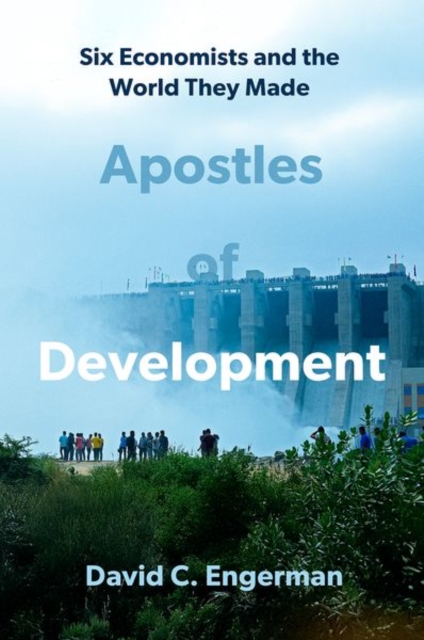
Apostles of Development
KSh 5,600.00
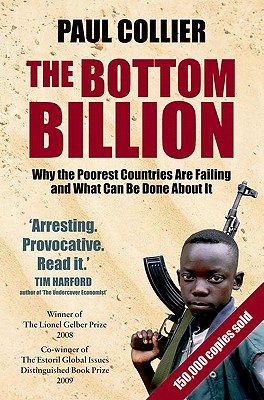
The Bottom Billion
KSh 2,500.00
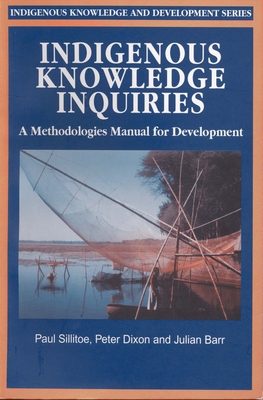
Indigenous Knowledge Inquiries
KSh 6,600.00

Why Africa is poor
KSh 2,350.00

Historical Dictionary of Aid and Development Organizations
KSh 12,050.00

Contemporary Latin American Architecture
KSh 7,900.00
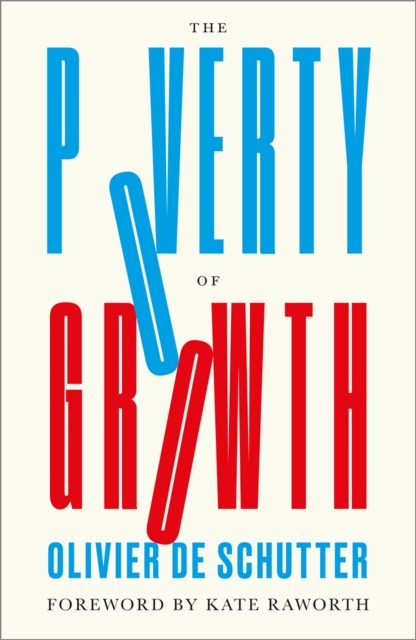
The Poverty of Growth
KSh 2,900.00