
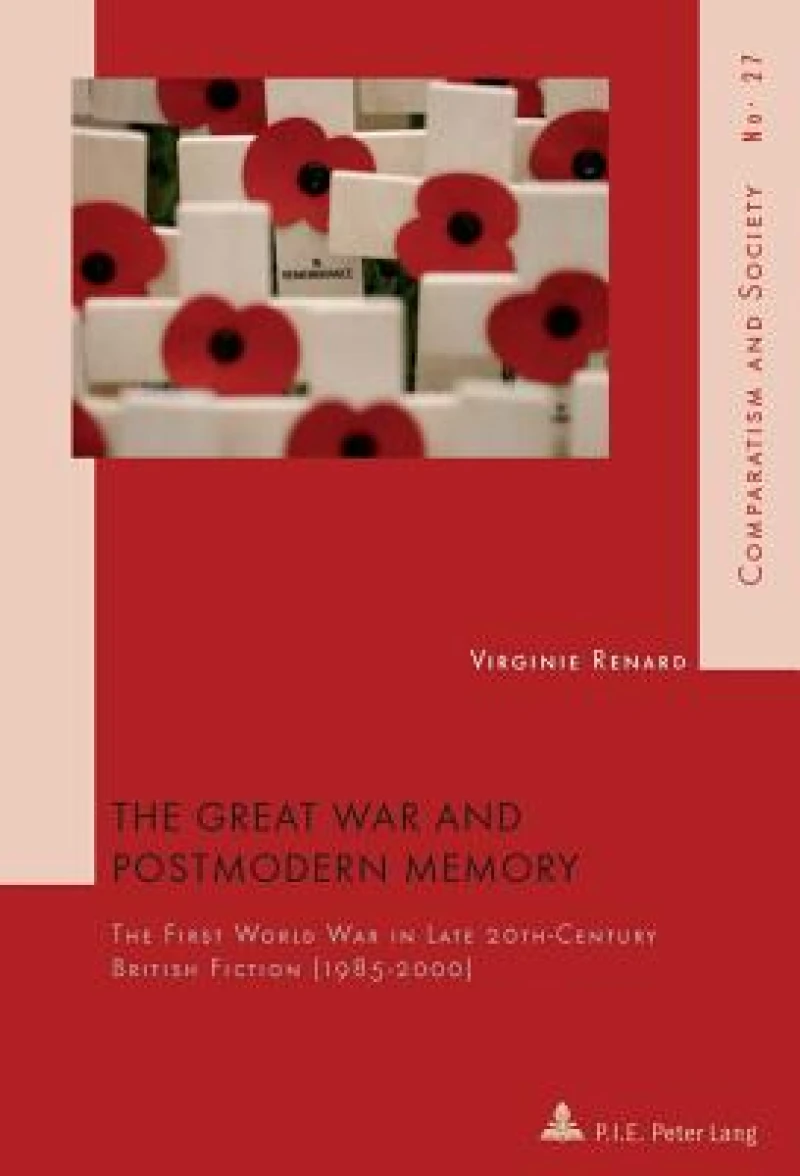
The Great War and Postmodern Memory : The First World War in Late 20 th -Century British Fiction (1985-2000)
New
Book Details
Format
Paperback / Softback
Book Series
Comparatisme et Societe/Comparatism and Society
ISBN-10
2875741004
ISBN-13
9782875741004
Edition
New
Publisher
Peter Lang AG, Internationaler Verlag der Wissenschaften
Imprint
Peter Lang AG, Internationaler Verlag der Wissensc
Country of Manufacture
BE
Country of Publication
GB
Publication Date
Nov 6th, 2013
Print length
364 Pages
Weight
510 grams
Dimensions
15.30 x 22.10 x 2.30 cms
Ksh 8,500.00
Manufactured on Demand
0 in stock
Delivery Location
Delivery fee: Select location
Secure
Quality
Fast
This book provides close readings of late 20th-century British narratives of the First World War, written by both best-selling and less well-known fiction writers. Positioned at a mid-point between literary analysis and history, it shows that, by focusing on questions of memory, these narratives offer new and engaging perspectives on the war.
The end of the twentieth century was marked in Britain by a renewal of academic and public interest in the Great War, which remains one of the most defining historical events in British national consciousness.
Focusing on questions of memory, this book examines some of the First World War narratives that were published during what has been called the late twentieth-century «war books boom». It provides a panoramic overview of these new war stories and offers close readings of texts written not only by best-selling authors such as Pat Barker and Sebastian Faulks, but also by less well-known writers who deserve greater academic attention, such as Robert Edric and Helen Dunmore.
It investigates military historians’ claims about the lack of historical perspective of recent Great War writers, their perpetuation of «myths» and their inability to move beyond what has already been imagined and said. Positioned at a mid-point between literary analysis and history, this study challenges monolithic views of the war and creates a dialogue rather than a confrontation between the two disciplines.
It shows how the selected narratives engage both with the writings of the trench poets and the preoccupations of their postmodern world in order to offer alternative perspectives on the war, exploring in the process complex issues regarding, among other things, the ethics of historical representation, traumatic memory, the politics of memory, and the significance of remembrance for later generations.
Focusing on questions of memory, this book examines some of the First World War narratives that were published during what has been called the late twentieth-century «war books boom». It provides a panoramic overview of these new war stories and offers close readings of texts written not only by best-selling authors such as Pat Barker and Sebastian Faulks, but also by less well-known writers who deserve greater academic attention, such as Robert Edric and Helen Dunmore.
It investigates military historians’ claims about the lack of historical perspective of recent Great War writers, their perpetuation of «myths» and their inability to move beyond what has already been imagined and said. Positioned at a mid-point between literary analysis and history, this study challenges monolithic views of the war and creates a dialogue rather than a confrontation between the two disciplines.
It shows how the selected narratives engage both with the writings of the trench poets and the preoccupations of their postmodern world in order to offer alternative perspectives on the war, exploring in the process complex issues regarding, among other things, the ethics of historical representation, traumatic memory, the politics of memory, and the significance of remembrance for later generations.
Get The Great War and Postmodern Memory by at the best price and quality guaranteed only at Werezi Africa's largest book ecommerce store. The book was published by Peter Lang AG, Internationaler Verlag der Wissenschaften and it has pages.

