
Cart 0
The History of al-Tabari Vol. 2
Click to zoom

Share this book

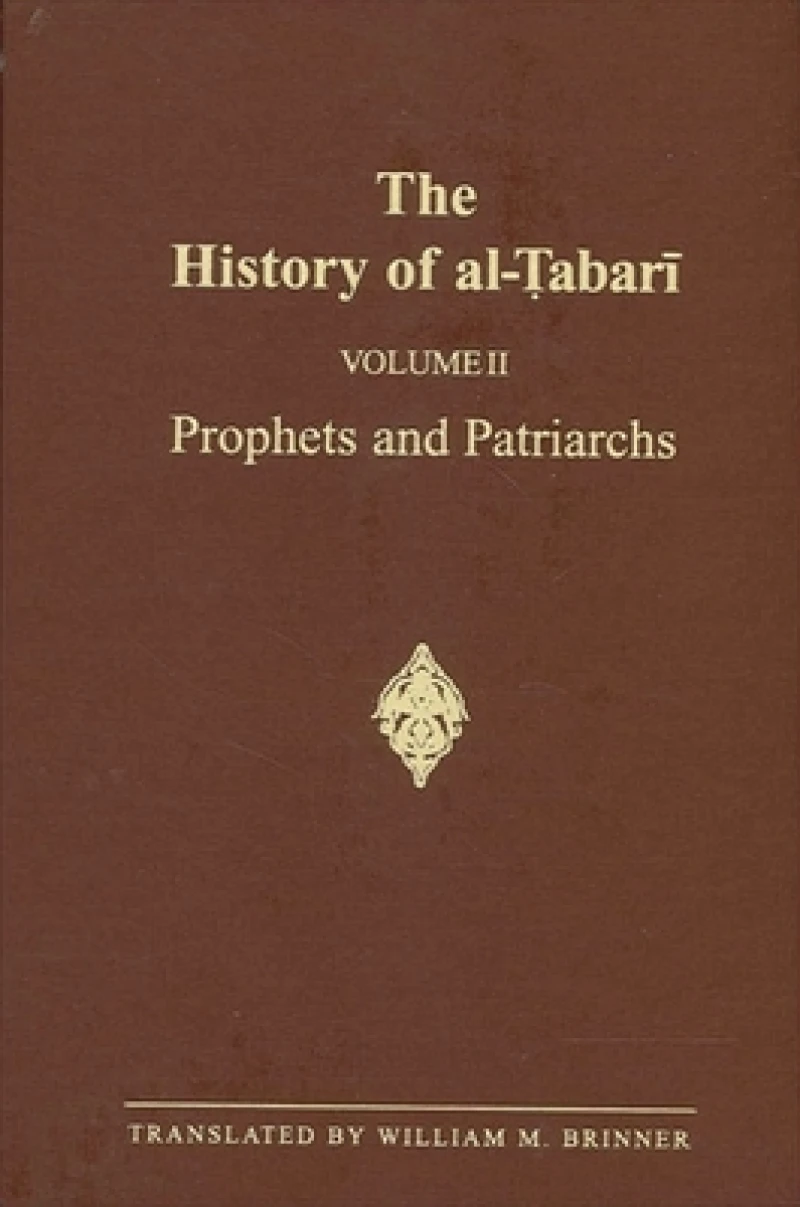
The History of al-Tabari Vol. 2 : Prophets and Patriarchs

Book Details

Format Paperback / Softback
ISBN-10 0887063136
ISBN-13 9780887063138
Publisher State University of New York Press
Imprint State University of New York Press
Country of Manufacture GB
Country of Publication GB
Publication Date Aug 1st, 1987
Print length 220 Pages
Weight 318 grams
Product Classification: Asian history
Ksh 4,600.00
Werezi Extended Catalogue Delivery in 28 days

Delivery Location

Delivery fee: Select location

Delivery in 28 days

Secure
Quality
Fast
This volume records the lives and efforts of some of the prophets preceeding the birth of Mohammad. It devotes most of its message to two towering figures—Abraham, the Friend of God, and his great-grandson, Joseph. The story is not, however simply a repetition of Biblical tales in a slightly altered form, for ?abari sees the ancient pre-Islamic Near East as an area in which the histories of three different peoples are acted out, occasionally meeting and intertwining. Thus ancient Iran, Israel, and Arabia serve as the stages on which actors such as Biwarasb, the semi-legendary Iranian king, Noah and his progeny, and the otherwise unknown Arabian prophets Hud and Salih appear and act. In the pages of this volume we read of the miraculous birth and early life of Abraham, and of his struggle against his father's idolatry. God grants him sons—Ishmael from Hagar and Isaac from Sarah—and the conflicts between the two mothers, the subsequent expulsion of Hagar, and her settling in the vicinity of Mecca, all lead to the story of Abraham's being commanded to build God's sanctuary there. Abraham is tested by God, both by being commanded to sacrifice his son (and here ?abari shows his fairness be presenting the arguments of Muslim scholars as to whether that son was Ishmael or Isaac) and by being given commandments to follow both in personal behavior and in ritual practice. The account of Abraham is interlaced with tales of the cruel tyrant Nimrod, who tried in vain both to burn Abraham in fire and to reach the heavens to fight with God. The story of Abraham's nephew Lot and the wicked people of Sodom also appears here, with the scholars once again arguing—this time over what the exact crimes were for which the Sodomites were destroyed. Before proceeding to the story of Joseph, which is recounted in great detail, we linger over the accounts of two figures associated with ancient Arabia in Muslim tradition: the Biblical Job, who despite his trials and sufferings does not rail against God, and Shu'ayb, usually associated with the Biblical Jethro, the priest of Midian and father-in-law of Moses. Finally we meet Joseph, whose handsome appearance, paternal preference, and subsequent boasting to his brothers lead to his being cast into a pit and ending up as a slave in Egypt. His career is traced in some detail: the attempted seduction by Potiphar's wife, his imprisonment and eventual release after becoming able to interpret dreams, and his rise to power as ruler of Egypt. The volume ends with the moving story of Joseph's reunion with his brothers, the tragi-comic story of how he reveals himself to them, and the final reunion with his aged father who is brought to Egypt to see his son's power and glory. This is proto-history told in fascinating detail, of us in different contexts, as well as of others completely unknown to Western readers.

This volume records the lives and efforts of some of the prophets preceeding the birth of Mohammad. It devotes most of its message to two towering figures—Abraham, the Friend of God, and his great-grandson, Joseph. The story is not, however simply a repetition of Biblical tales in a slightly altered form, for ?abari sees the ancient pre-Islamic Near East as an area in which the histories of three different peoples are acted out, occasionally meeting and intertwining. Thus ancient Iran, Israel, and Arabia serve as the stages on which actors such as Biwarasb, the semi-legendary Iranian king, Noah and his progeny, and the otherwise unknown Arabian prophets Hud and Salih appear and act.

In the pages of this volume we read of the miraculous birth and early life of Abraham, and of his struggle against his father''s idolatry. God grants him sons—Ishmael from Hagar and Isaac from Sarah—and the conflicts between the two mothers, the subsequent expulsion of Hagar, and her settling in the vicinity of Mecca, all lead to the story of Abraham''s being commanded to build God''s sanctuary there. Abraham is tested by God, both by being commanded to sacrifice his son (and here ?abari shows his fairness be presenting the arguments of Muslim scholars as to whether that son was Ishmael or Isaac) and by being given commandments to follow both in personal behavior and in ritual practice. The account of Abraham is interlaced with tales of the cruel tyrant Nimrod, who tried in vain both to burn Abraham in fire and to reach the heavens to fight with God. The story of Abraham''s nephew Lot and the wicked people of Sodom also appears here, with the scholars once again arguing—this time over what the exact crimes were for which the Sodomites were destroyed.

Before proceeding to the story of Joseph, which is recounted in great detail, we linger over the accounts of two figures associated with ancient Arabia in Muslim tradition: the Biblical Job, who despite his trials and sufferings does not rail against God, and Shu''ayb, usually associated with the Biblical Jethro, the priest of Midian and father-in-law of Moses. Finally we meet Joseph, whose handsome appearance, paternal preference, and subsequent boasting to his brothers lead to his being cast into a pit and ending up as a slave in Egypt. His career is traced in some detail: the attempted seduction by Potiphar''s wife, his imprisonment and eventual release after becoming able to interpret dreams, and his rise to power as ruler of Egypt. The volume ends with the moving story of Joseph''s reunion with his brothers, the tragi-comic story of how he reveals himself to them, and the final reunion with his aged father who is brought to Egypt to see his son''s power and glory.

This is proto-history told in fascinating detail, of us in different contexts, as well as of others completely unknown to Western readers.


Get The History of al-Tabari Vol. 2 by at the best price and quality guaranteed only at Werezi Africa's largest book ecommerce store. The book was published by State University of New York Press and it has pages.


Mind, Body, & Spirit

Price

Ksh 4,600.00

Shopping Cart

Africa largest book store

Sub Total:
Ebooks

Digital Library
Coming Soon

Our digital collection is currently being curated to ensure the best possible reading experience on Werezi. We'll be launching our Ebooks platform shortly.