
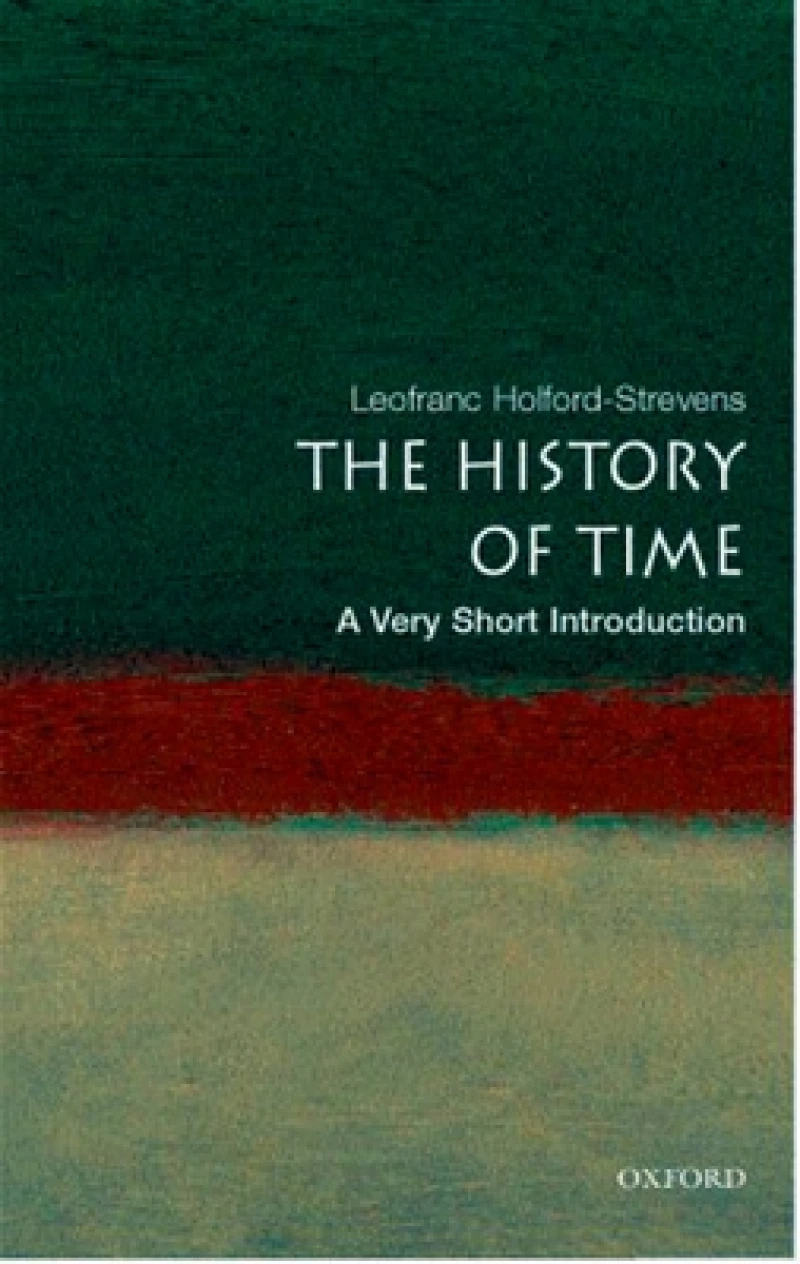
The History of Time : A Very Short Introduction
Book Details
Format
Paperback / Softback
Book Series
Very Short Introductions
ISBN-10
0192804995
ISBN-13
9780192804990
Publisher
Oxford University Press
Imprint
Oxford University Press
Country of Manufacture
GB
Country of Publication
GB
Publication Date
Aug 11th, 2005
Print length
160 Pages
Weight
146 grams
Dimensions
17.20 x 11.20 x 0.90 cms
Product Classification:
Popular scienceTime (chronology), time systems & standards
Ksh 1,800.00
Werezi Extended Catalogue
Delivery in 14 days
2 copies in stock
Delivery Location
Delivery fee: Select location
Delivery in 14 days
Secure
Quality
Fast
Leofranc Holford-Strevens explores time measurement and the organisation of time into hours, days, months and years using a range of fascinating examples from Ancient Rome and Julius Caesar's Leap Year, to the 1920s' project for a fixed Easter.
Why do we measure time in the way that we do? Why is a week seven days long? At what point did minutes and seconds come into being? Why are some calendars lunar and some solar?The organisation of time into hours, days, months and years seems immutable and universal, but is actually far more artificial than most people realise. The French Revolution resulted in a restructuring of the French calendar, and the Soviet Union experimented with five and then six-day weeks. Leofranc Holford-Strevens explores these questions using a range of fascinating examples from Ancient Rome and Julius Caesar''s imposition of the Leap Year, to the 1920s'' project for a fixed Easter.ABOUT THE SERIES: The Very Short Introductions series from Oxford University Press contains hundreds of titles in almost every subject area. These pocket-sized books are the perfect way to get ahead in a new subject quickly. Our expert authors combine facts, analysis, perspective, new ideas, and enthusiasm to make interesting and challenging topics highly readable.
Get The History of Time by at the best price and quality guaranteed only at Werezi Africa's largest book ecommerce store. The book was published by Oxford University Press and it has pages.

