
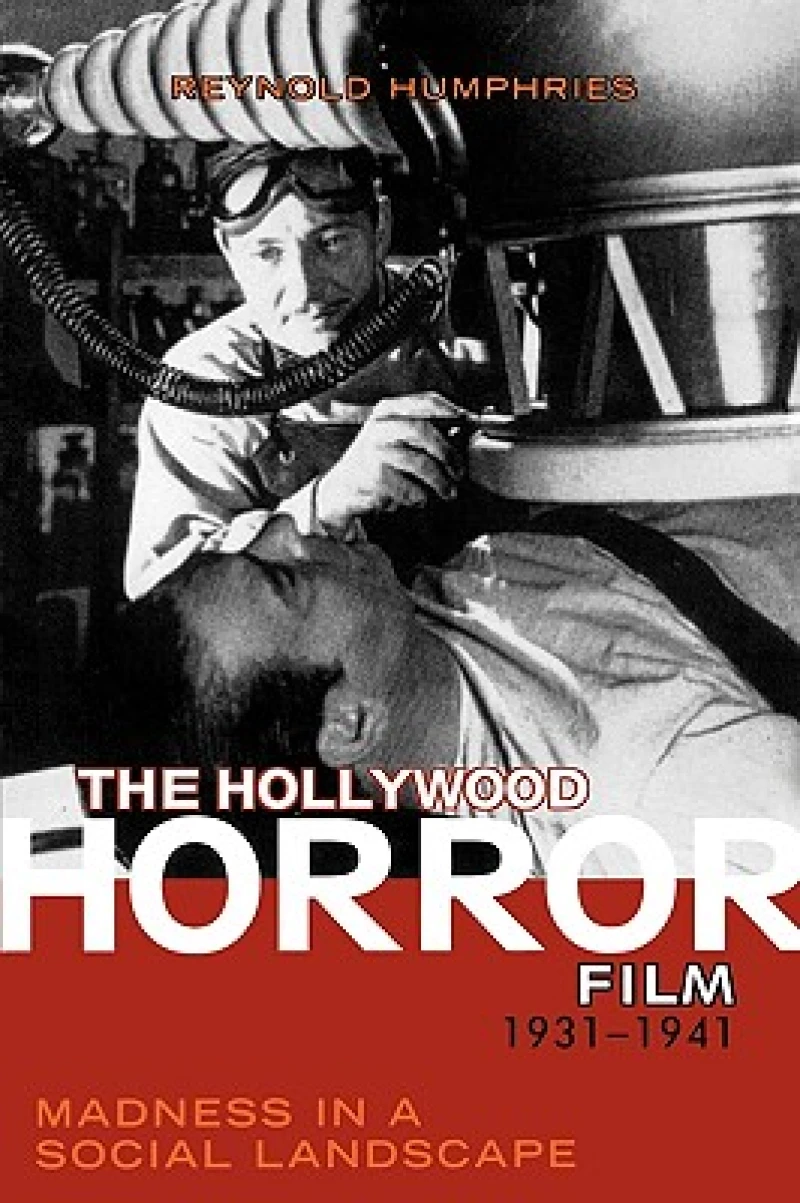
The Hollywood Horror Film, 1931-1941 : Madness in a Social Landscape
Book Details
Format
Paperback / Softback
ISBN-10
081085726X
ISBN-13
9780810857261
Publisher
Scarecrow Press
Imprint
Scarecrow Press
Country of Manufacture
GB
Country of Publication
GB
Publication Date
Jul 24th, 2006
Print length
300 Pages
Weight
454 grams
Dimensions
22.60 x 17.70 x 2.20 cms
Product Classification:
Film theory & criticism
Ksh 13,700.00
Manufactured on Demand
0 in stock
Delivery Location
Delivery fee: Select location
Secure
Quality
Fast
In February 1931, Universal Studios released Dracula, starring Bela Lugosi. As a result of the film's considerable—and unexpected—success, Universal and the other Hollywood studios quickly cashed in on this genre. In the following decade such classics as Freaks, Frankenstein, King Kong, White Zombie, The Mummy, The Wolfman, and Dr. Jekyll and Mr. Hyde, along with a number of lesser known but significant works, were produced. But these films tend to be neglected as a serious object of study. The main interest shown in them comes from fanzines whose critics often place the accent on the anecdotal at the expense of analysis. And serious studies undertaken by sociologists and specialists in cultural studies either prefer themes and content or choose to study the films as reflecting the concerns, albeit unconsciously, of the period. In The Hollywood Horror Film, 1931-1941: Madness in a Social Landscape, Reynold Humphries analyzes representative films of this era and discusses their impact upon audiences at the time. He evaluates what their success says about the society that consumed them and about the filmmakers who produced them—particularly the unconscious dimension of the films and their ideological ramifications. According to Humphries, prejudices of a social, racial, and sexual nature on the part of Hollywood's censors and the press went hand in hand with a sense of growing unease at what was being portrayed on the screen. Concentrating on abnormal and often sadistic acts, on an unbridled striving after power, and on the mad doctor/scientist's indifference to others, horror films of the era act out society's division along lines of class and economics. Brutal exploitation went beyond the monstrous acts of an individual to assume a social dimension where collective interests come to the fore by the way they are trampled on. One of the aims of this book is to pinpoint how the "political unconscious" of the films in question reveals points of contact
In February 1931, Universal Studios released Dracula, starring Bela Lugosi. As a result of the film''s considerable—and unexpected—success, Universal and the other Hollywood studios quickly cashed in on this genre. In the following decade such classics as Freaks, Frankenstein, King Kong, White Zombie, The Mummy, The Wolfman, and Dr. Jekyll and Mr. Hyde, along with a number of lesser known but significant works, were produced. But these films tend to be neglected as a serious object of study. The main interest shown in them comes from fanzines whose critics often place the accent on the anecdotal at the expense of analysis. And serious studies undertaken by sociologists and specialists in cultural studies either prefer themes and content or choose to study the films as reflecting the concerns, albeit unconsciously, of the period. In The Hollywood Horror Film, 1931-1941: Madness in a Social Landscape, Reynold Humphries analyzes representative films of this era and discusses their impact upon audiences at the time. He evaluates what their success says about the society that consumed them and about the filmmakers who produced them—particularly the unconscious dimension of the films and their ideological ramifications. According to Humphries, prejudices of a social, racial, and sexual nature on the part of Hollywood''s censors and the press went hand in hand with a sense of growing unease at what was being portrayed on the screen. Concentrating on abnormal and often sadistic acts, on an unbridled striving after power, and on the mad doctor/scientist''s indifference to others, horror films of the era act out society''s division along lines of class and economics. Brutal exploitation went beyond the monstrous acts of an individual to assume a social dimension where collective interests come to the fore by the way they are trampled on. One of the aims of this book is to pinpoint how the "political unconscious" of the films in question reveals points of contact
Get The Hollywood Horror Film, 1931-1941 by at the best price and quality guaranteed only at Werezi Africa's largest book ecommerce store. The book was published by Scarecrow Press and it has pages.

