

The Human Edge : Analogy and the Roots of Creative Intelligence
Book Details
Format
Paperback / softback
ISBN-10
0262550903
ISBN-13
9780262550901
Publisher
MIT Press Ltd
Imprint
MIT Press
Country of Manufacture
GB
Country of Publication
GB
Publication Date
Feb 25th, 2025
Print length
320 Pages
Weight
369 grams
Product Classification:
Religion & beliefsReligion and beliefs
KSh 12,950.00
Currently unavailable
0 in stock
Delivery Location
Delivery fee: Select location
Secure
Quality
Fast
What makes human cognition distinct from animal and artificial forms of intelligence—and how analogies play a crucial role in our unique abilities.
In The Human Edge, cognitive scientist, poet, and translator Keith Holyoak takes a fresh look at what makes human intelligence special. His focus is analogy—the ability to see relational similarities between things that on the surface seem unalike. The book brings together a half century of research in cognitive, comparative, and developmental psychology, coupled with work in philosophy, law, education, linguistics, neuroscience, and artificial intelligence. Rather than simply examining analogy as an isolated human ability, Holyoak places it in the broader context of a trinity of special human capacities—analogy, language, and understanding the minds of other people. Each of these capacities relies on distinct neural circuitry in the human brain.
Holyoak analyzes the similarities—and critical differences—between cognition in humans and in other intelligent animals, ranging from crows to chimpanzees. He also traces how relational thinking develops in children, emphasizing the distinctive advances that begin at about age three. Along the way, Holyoak paints a broad picture of how people use analogy in everyday life—to make jokes, to argue, to teach, to make moral judgments. He considers when an analogy counts as rational evidence—for or against a scientific hypothesis, or the judgment in a legal case. He also evaluates the most recent advances in artificial intelligence that have started to achieve complex tasks previously limited to humans while highlighting the distinctive aspects of human creativity.
In a time of rapid technological change, with ominous portents for society, this book provides a timely reexamination of what really counts as the human edge.
In The Human Edge, cognitive scientist, poet, and translator Keith Holyoak takes a fresh look at what makes human intelligence special. His focus is analogy—the ability to see relational similarities between things that on the surface seem unalike. The book brings together a half century of research in cognitive, comparative, and developmental psychology, coupled with work in philosophy, law, education, linguistics, neuroscience, and artificial intelligence. Rather than simply examining analogy as an isolated human ability, Holyoak places it in the broader context of a trinity of special human capacities—analogy, language, and understanding the minds of other people. Each of these capacities relies on distinct neural circuitry in the human brain.
Holyoak analyzes the similarities—and critical differences—between cognition in humans and in other intelligent animals, ranging from crows to chimpanzees. He also traces how relational thinking develops in children, emphasizing the distinctive advances that begin at about age three. Along the way, Holyoak paints a broad picture of how people use analogy in everyday life—to make jokes, to argue, to teach, to make moral judgments. He considers when an analogy counts as rational evidence—for or against a scientific hypothesis, or the judgment in a legal case. He also evaluates the most recent advances in artificial intelligence that have started to achieve complex tasks previously limited to humans while highlighting the distinctive aspects of human creativity.
In a time of rapid technological change, with ominous portents for society, this book provides a timely reexamination of what really counts as the human edge.
Get The Human Edge by Keith J. Holyoak at the best price and quality guaranteed only at Werezi Africa's largest book ecommerce store. The book was published by MIT Press Ltd and it has 320 pages.
Customers Who Bought This Also Bought
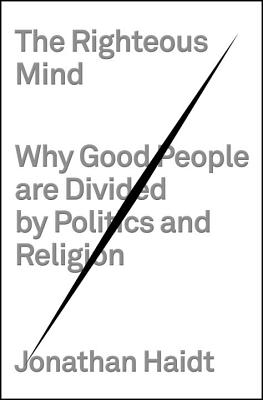
The Righteous Mind
KSh 6,300.00

The Perfection of Wisdom Tradition
KSh 11,900.00
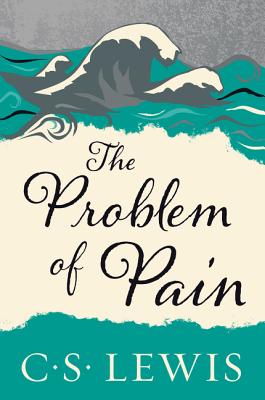
The Problem of Pain
KSh 3,250.00

Peaceful Heart
KSh 2,900.00

Practicing Peace
KSh 2,350.00
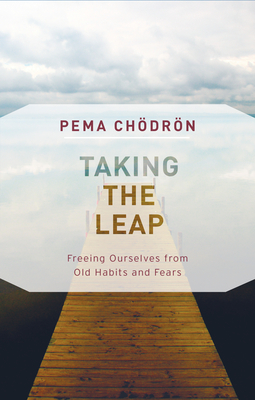
Taking the Leap
KSh 2,700.00

How We Live Is How We Die
KSh 3,600.00
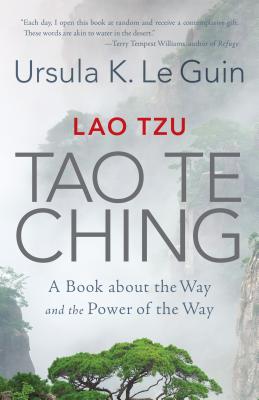
Lao Tzu: Tao Te Ching
KSh 2,900.00
Changed into His Likeness
KSh 2,050.00

History of Magic, Witchcraft and the Occult
KSh 5,800.00

Ethics for the Coming Storm
KSh 4,250.00

Saudi Arabia in Transition
KSh 6,250.00
