
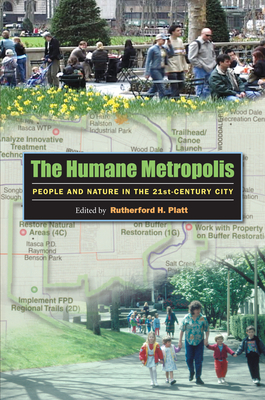
The Humane Metropolis : People and Nature in the Twenty-first Century City
Book Details
Format
Paperback / softback
ISBN-10
1558495541
ISBN-13
9781558495548
Publisher
University of Massachusetts Press
Imprint
University of Massachusetts Press
Country of Manufacture
US
Country of Publication
GB
Publication Date
Sep 28th, 2006
Print length
368 Pages
Weight
587 grams
Dimensions
23.40 x 15.50 x 2.20 cms
Product Classification:
Urban communities / city lifeUrban communities
KSh 5,500.00
Temporarily out of stock, due soon
0 in stock
Delivery Location
Delivery fee: Select location
Secure
Quality
Fast
Explores the prospects for a more humane metropolis through a series of essays and case studies that consider why and how urban places can be made greener and more amenable. This book examines topics such as urban and regional greenspaces, urban ecological restoration, social equity, and green design.
Four-fifths of Americans now live in the nation''s sprawling metropolitan areas, and half of the world''s population is now classified as ""urban."" As cities become the dominant living environment for humans, there is growing concern about how to make such places more habitable, more healthy and safe, more ecological, and more equitable - in short, more ""humane."" This book explores the prospects for a more humane metropolis through a series of essays and case studies that consider why and how urban places can be made greener and more amenable. Its point of departure is the legacy of William H. Whyte (1917-1999), one of America''s most admired urban thinkers. From his eyrie high above Manhattan in the offices of the Rockefeller Brothers Fund, Whyte laid the foundation for today''s ""smart growth"" and ""new urbanist"" movements with books, such as ""The Last Landscape"" (1968). His passion for improving the habitability of cities and suburbs is reflected in the diverse grass-roots urban design and regreening strategies discussed in this volume. Topics examined in this book include urban and regional greenspaces, urban ecological restoration, social equity, and green design. Some of the contributors are recognized academic experts, while others offer direct practical knowledge of particular problems and initiatives. The editor''s introduction and epilogue set the individual chapters in a broader context and suggest how the strategies described, if widely replicated, may help create more humane urban environments.
Get The Humane Metropolis by Carl Anthony, Christopher A. De Sousa at the best price and quality guaranteed only at Werezi Africa's largest book ecommerce store. The book was published by University of Massachusetts Press and it has 368 pages.
Customers Who Bought This Also Bought

Crook Manifesto
KSh 2,700.00
Behind the Beautiful Forevers
KSh 2,000.00

The Keeper
KSh 1,800.00

Africa Is Not A Country
KSh 2,350.00

The Keeper
KSh 3,200.00

Slash and Burn
KSh 2,150.00

Slouching Towards Bethlehem
KSh 1,800.00

Strange Weather in Tokyo
KSh 1,800.00

The Coffeehouse
KSh 2,400.00
Heart of the Night
KSh 1,950.00
Frankenstein Urbanism
KSh 7,900.00
Amnesty
KSh 3,750.00
More by Carl Anthony, Christopher A. De Sousa

Wild Nature in Cities
KSh 30,950.00

The Ethics of Cities
KSh 15,100.00
Blue Biophilic Cities
KSh 9,000.00
Biophilic Cities for an Urban Century
KSh 9,900.00
Blue Biophilic Cities
KSh 9,000.00

Wild Nature in Cities
KSh 7,350.00

The Ethics of Cities
KSh 5,050.00
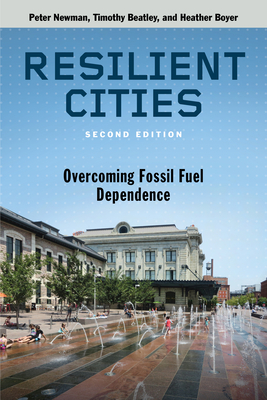
Resilient Cities
KSh 4,700.00
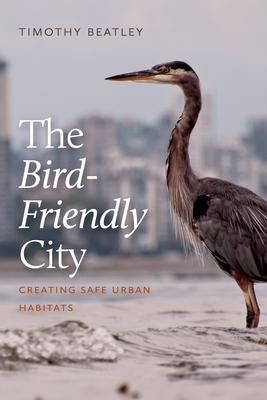
The Bird-Friendly City
KSh 5,400.00
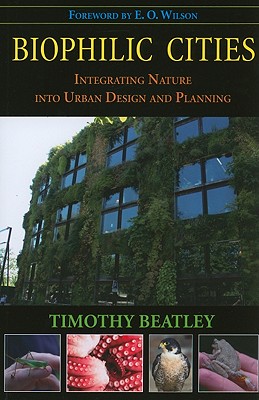
Biophilic Cities
KSh 6,300.00

Fortress America
KSh 6,850.00
Biophilic Cities
KSh 7,900.00
