
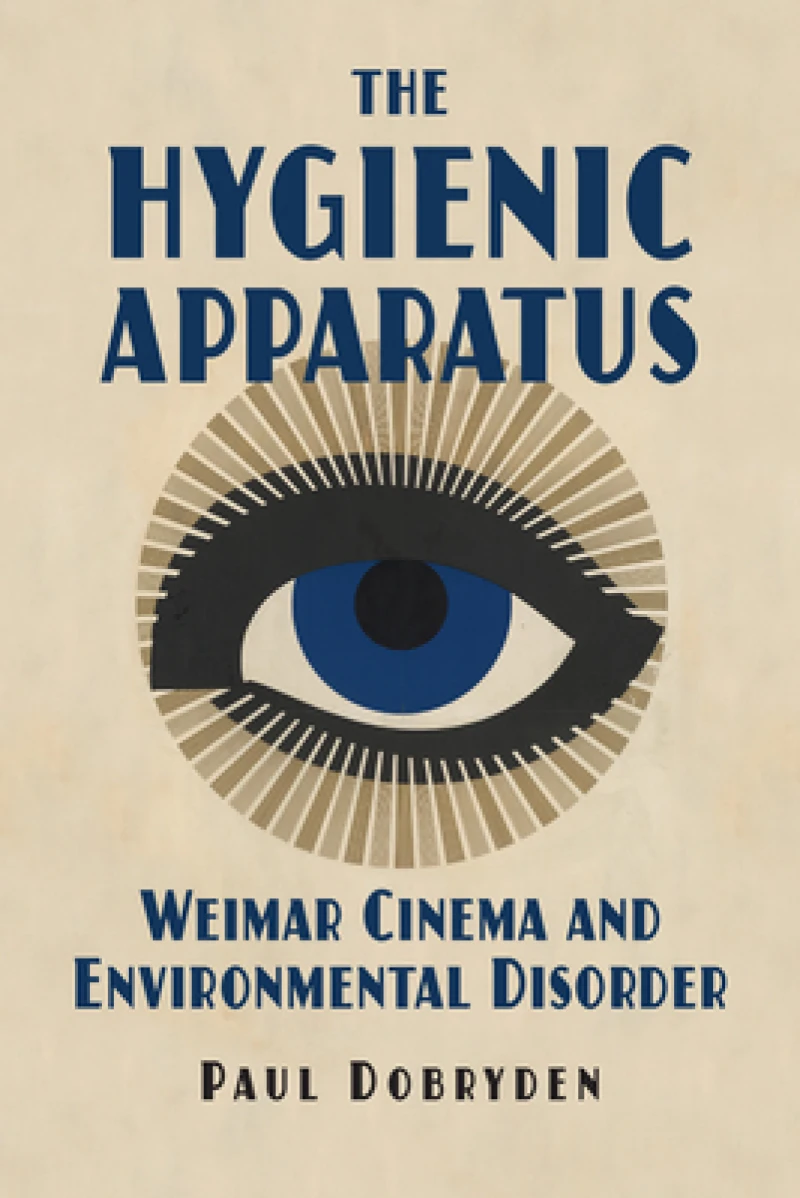
The Hygienic Apparatus : Weimar Cinema and Environmental Disorder
Book Details
Format
Hardback or Cased Book
ISBN-10
0810144972
ISBN-13
9780810144972
Publisher
Northwestern University Press
Imprint
Northwestern University Press
Country of Manufacture
GB
Country of Publication
GB
Publication Date
May 30th, 2022
Print length
208 Pages
Weight
482 grams
Dimensions
15.80 x 23.60 x 2.20 cms
Ksh 20,150.00
Werezi Extended Catalogue
Delivery in 14 days
1 copies in stock
Delivery Location
Delivery fee: Select location
Delivery in 14 days
Secure
Quality
Fast
Traces how the environmental effects of industrialization reverberated through the cinema of Germany's Weimar Republic. Framing hygiene within the project of national reconstruction, the book explores cinema's material contexts alongside its representations of housework, urban space, traffic, pollution, disability, aging, and labour.
This study traces how the environmental effects of industrialization reverberated through the cinema of Germany's Weimar Republic. In the early twentieth century, hygiene encompassed the myriad attempts to create healthy spaces for life and work amid the pollution, disease, accidents, and noise of industrial modernity. Examining classic films—including The Last Laugh, Faust, and Kuhle Wampe—as well as documentaries, cinema architecture, and studio practices, Paul Dobryden demonstrates how cinema envisioned and interrogated hygienic concerns about environmental disorder.
Framing hygiene within the project of national reconstruction after World War I, The Hygienic Apparatus explores cinema's material contexts alongside its representations of housework, urban space, traffic, pollution, disability, aging, and labor. Reformers worried about the health risks associated with moviegoing but later used film to popularize hygienic ideas, encouraging viewers to see the world and themselves in relation to public health objectives. Modernist architecture and design fashioned theaters into regenerative environments for fatigued spectators. Filmmakers like F. W. Murnau and Slatan Dudow, meanwhile, explored the aesthetic and political possibilities of dirt, contagion, intoxication, and disorder. Dobryden recovers a set of ecological and biopolitical concerns to show how the problem of environmental disorder fundamentally shaped cinema's relationship to modernity. As accessible as it is persuasive, the book adds to a growing body of scholarship on biopolitics within German studies and reveals fresh ways of understanding the apparatus of Weimar cinema.
Framing hygiene within the project of national reconstruction after World War I, The Hygienic Apparatus explores cinema's material contexts alongside its representations of housework, urban space, traffic, pollution, disability, aging, and labor. Reformers worried about the health risks associated with moviegoing but later used film to popularize hygienic ideas, encouraging viewers to see the world and themselves in relation to public health objectives. Modernist architecture and design fashioned theaters into regenerative environments for fatigued spectators. Filmmakers like F. W. Murnau and Slatan Dudow, meanwhile, explored the aesthetic and political possibilities of dirt, contagion, intoxication, and disorder. Dobryden recovers a set of ecological and biopolitical concerns to show how the problem of environmental disorder fundamentally shaped cinema's relationship to modernity. As accessible as it is persuasive, the book adds to a growing body of scholarship on biopolitics within German studies and reveals fresh ways of understanding the apparatus of Weimar cinema.
Get The Hygienic Apparatus by at the best price and quality guaranteed only at Werezi Africa's largest book ecommerce store. The book was published by Northwestern University Press and it has pages.

