
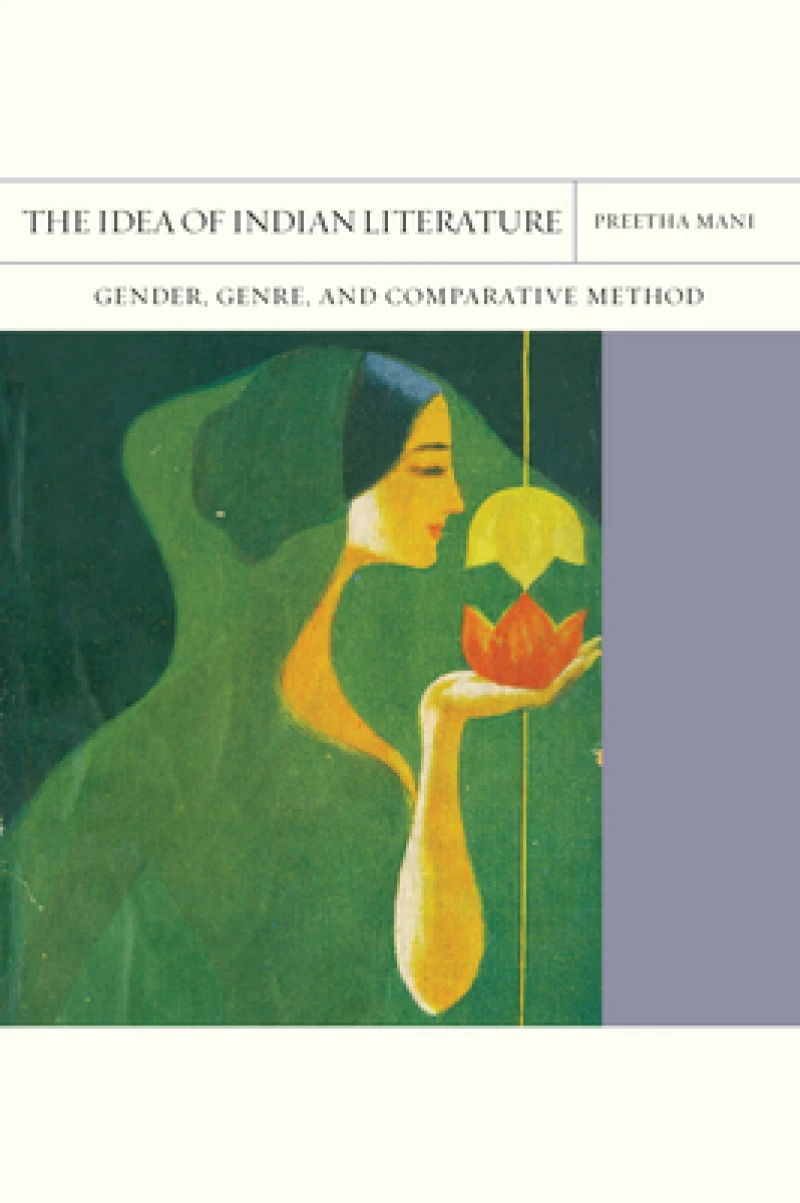
The Idea of Indian Literature Volume 41 : Gender, Genre, and Comparative Method
by
Preetha Mani
Book Details
Format
Paperback / Softback
Book Series
FlashPoints
ISBN-10
0810144999
ISBN-13
9780810144996
Publisher
Northwestern University Press
Imprint
Northwestern University Press
Country of Manufacture
GB
Country of Publication
GB
Publication Date
Aug 15th, 2022
Print length
288 Pages
Weight
151 grams
Dimensions
22.60 x 15.20 x 2.00 cms
Product Classification:
Literary studies: general
Ksh 5,600.00
Werezi Extended Catalogue
0 in stock
Delivery Location
Delivery fee: Select location
Secure
Quality
Fast
Examining canonical Hindi and Tamil short stories from the crucial decades surrounding decolonization, Preetha Mani contends that Indian literature must be understood as indeterminate, propositional, and reflective of changing dynamics between local, regional, national, and global readerships.
Indian literature is not a corpus of texts or literary concepts from India, argues Preetha Mani, but a provocation that seeks to resolve the relationship between language and literature, written in as well as against English. Examining canonical Hindi and Tamil short stories from the crucial decades surrounding decolonization, Mani contends that Indian literature must be understood as indeterminate, propositional, and reflective of changing dynamics between local, regional, national, and global readerships. In The Idea of Indian Literature, she explores the paradox that a single canon can be written in multiple languages, each with their own evolving relationships to one another and to English.
Hindi, representing national aspirations, and Tamil, epitomizing the secessionist propensities of the region, are conventionally viewed as poles of the multilingual continuum within Indian literature. Mani shows, however, that during the twentieth century, these literatures were coconstitutive of one another and of the idea of Indian literature itself. The writers discussed here—from short-story forefathers Premchand and Pudumaippittan to women trailblazers Mannu Bhandari and R. Chudamani—imagined a pan-Indian literature based on literary, rather than linguistic, norms, even as their aims were profoundly shaped by discussions of belonging unique to regional identity. Tracing representations of gender and the uses of genre in the shifting thematic and aesthetic practices of short vernacular prose writing, the book offers a view of the Indian literary landscape as itself a field for comparative literature.
Hindi, representing national aspirations, and Tamil, epitomizing the secessionist propensities of the region, are conventionally viewed as poles of the multilingual continuum within Indian literature. Mani shows, however, that during the twentieth century, these literatures were coconstitutive of one another and of the idea of Indian literature itself. The writers discussed here—from short-story forefathers Premchand and Pudumaippittan to women trailblazers Mannu Bhandari and R. Chudamani—imagined a pan-Indian literature based on literary, rather than linguistic, norms, even as their aims were profoundly shaped by discussions of belonging unique to regional identity. Tracing representations of gender and the uses of genre in the shifting thematic and aesthetic practices of short vernacular prose writing, the book offers a view of the Indian literary landscape as itself a field for comparative literature.
Get The Idea of Indian Literature Volume 41 by at the best price and quality guaranteed only at Werezi Africa's largest book ecommerce store. The book was published by Northwestern University Press and it has pages.

