
Book Details
Format
Hardback or Cased Book
ISBN-10
0199588899
ISBN-13
9780199588893
Edition
2 Revised edition
Publisher
Oxford University Press
Imprint
Oxford University Press
Country of Manufacture
GB
Country of Publication
GB
Publication Date
Feb 23rd, 2012
Print length
416 Pages
Weight
770 grams
Dimensions
23.40 x 16.30 x 2.90 cms
Ksh 28,250.00
Manufactured on Demand
0 in stock
Delivery Location
Delivery fee: Select location
Secure
Quality
Fast
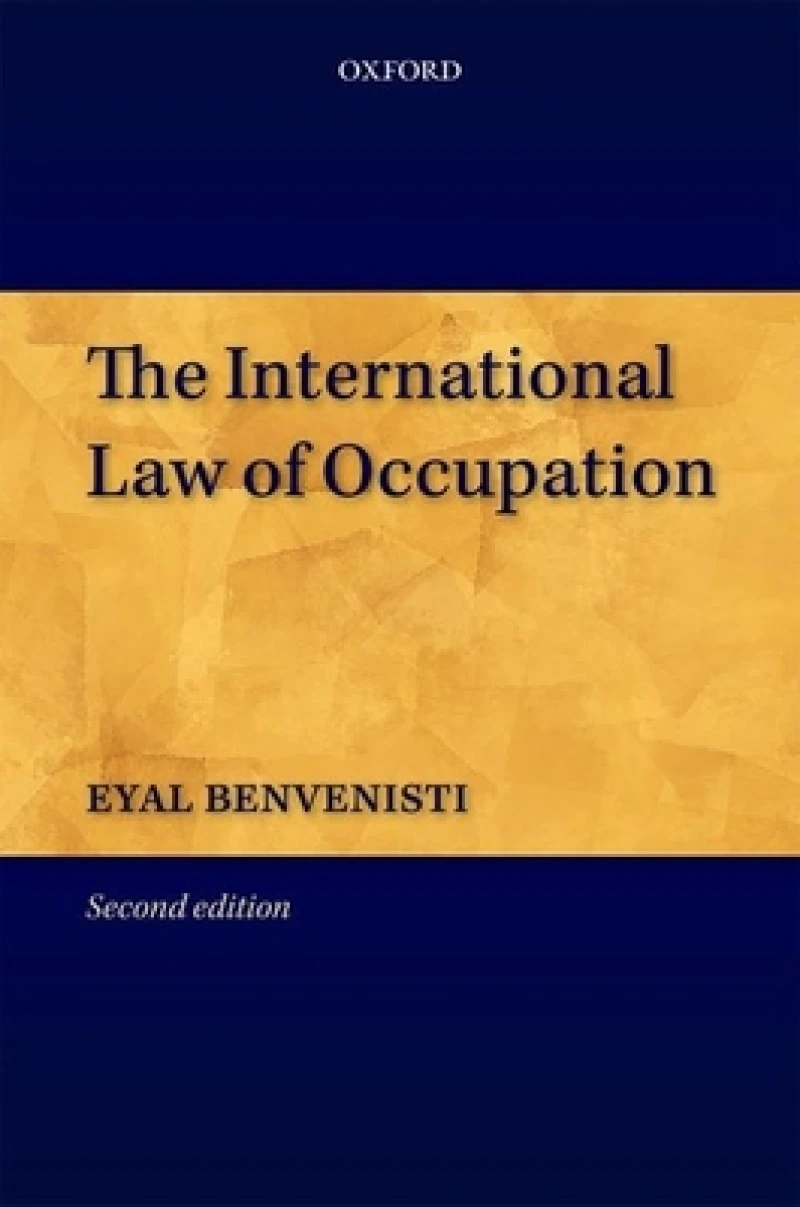
This is the long-awaited second edition of a landmark book on the law of occupation. Covering developments since 1992, including the case of Iraq and recent developments in the Middle East, this book will include new chapters on the historical evolution of the concept of occupation, collective occupations, and ending occupations.
The law of occupation imposes two types of obligations on an army that seizes control of enemy land during armed conflict: obligations to respect and protect the inhabitants and their rights, and an obligation to respect the sovereign rights of the ousted government. In theory, the occupant is expected to establish an effective and impartial administration, to carefully balance its own interests against those of the inhabitants and their government, and to negotiate the occupation''s early termination in a peace treaty. Although these expectations have been proven to be too high for most occupants, they nevertheless serve as yardsticks that measure the level of compliance of the occupants with international law. This thoroughly revised edition of the 1993 book traces the evolution of the law of occupation from its inception during the 18th century until today. It offers an assessment of the law by focusing on state practice of the various occupants and reactions thereto, and on the governing legal texts and judicial decisions. The underlying thought that informs and structures the book suggests that this body of laws has been shaped by changing conceptions about war and sovereignty, by the growing attention to human rights and the right to self-determination, as well as by changes in the balance of power among states. Because the law of occupation indirectly protects the sovereign, occupation law can be seen as the mirror-image of the law on sovereignty. Shifting perceptions on sovereign authority are therefore bound to be reflected also in the law of occupation, and vice-versa.
Get The International Law of Occupation by at the best price and quality guaranteed only at Werezi Africa's largest book ecommerce store. The book was published by Oxford University Press and it has pages.

