
Cart 0
The Internet of Things in the Industrial Sector
Click to zoom

Share this book

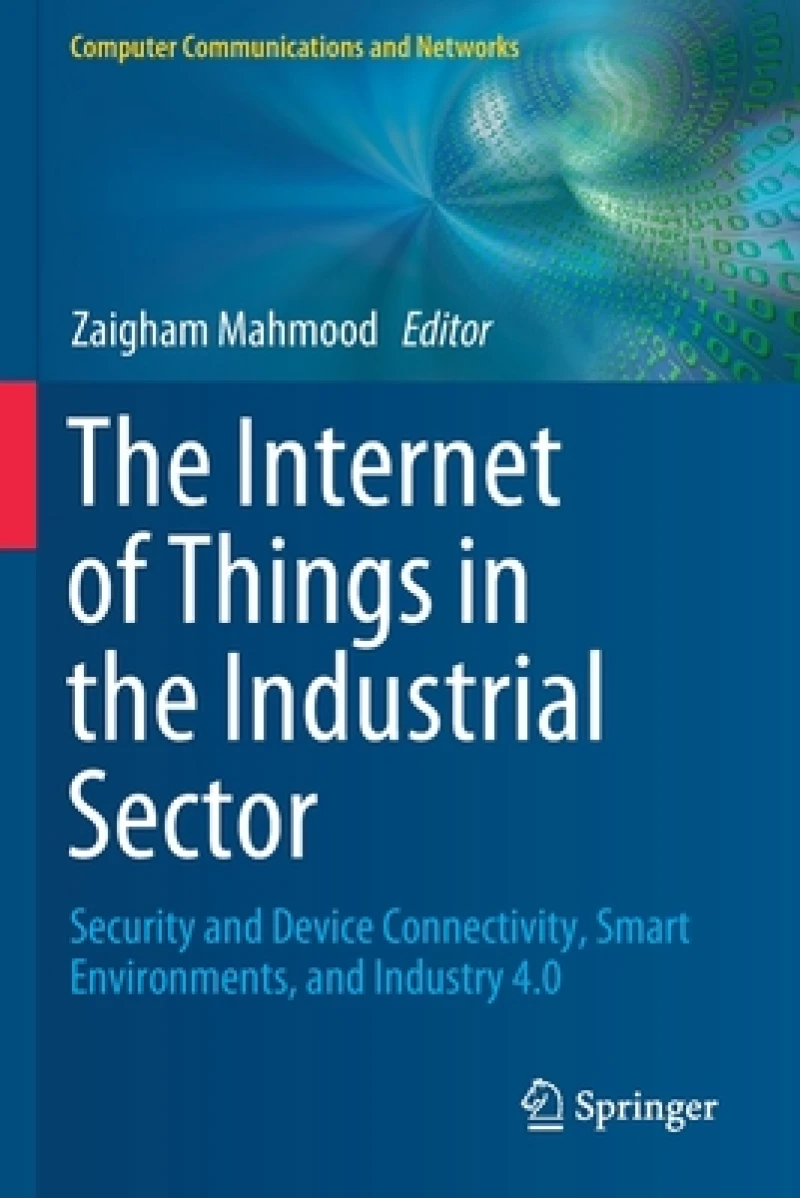
The Internet of Things in the Industrial Sector : Security and Device Connectivity, Smart Environments, and Industry 4.0

2019 ed.

Book Details

Format Paperback / Softback
ISBN-10 3030248941
ISBN-13 9783030248949
Edition 2019 ed.
Publisher Springer Nature Switzerland AG
Imprint Springer Nature Switzerland AG
Country of Manufacture GB
Country of Publication GB
Publication Date Aug 13th, 2020
Print length 326 Pages
Ksh 23,400.00
Werezi Extended Catalogue Delivery in 28 days

Delivery Location

Delivery fee: Select location

Delivery in 28 days

Secure
Quality
Fast
This book has a focus on the development and deployment of the Industrial Internet of Things (IIoT) paradigm, discussing frameworks, methodologies, benefits and limitations, as well as providing case studies of employing the IoT vision in the industrial domain. IIoT is becoming an attractive business reality for many organisations such as manufacturing, logistics, oil and gas, energy and other utilities, mining, aviation, and many more. The opportunities for this paradigm are huge, and according to one report, the IIoT market is predicted to reach $125 billion by 2021. The driving philosophy behind the IIoT is that smart machines are better than humans at accurately capturing, analysing and communicating real-time data. The underlying technologies include distributed computing, machine learning, artificial intelligence, and machine-to-machine communication, with a typical IIoT system consisting of intelligent systems (applications, controllers, sensors, and security mechanisms), data communication infrastructure (cloud computing, edge computing, etc.), data analytics (to support business intelligence and corporate decision making), and most importantly the human element. The promised benefits of the IIoT include enhanced safety, better reliability, smart metering, inventory management, equipment tracking, and facilities management. There are, however, numerous issues that are also becoming the focus of active research, such as concerns regarding service availability, data security, and device communication. Lack of ubiquitous interoperability between heterogeneous devices is also a major concern. This book intends to fill a gap in the IIoT literature by providing the scientific contributions and latest developments from researchers and practitioners of international repute, focusing on frameworks, methodologies, benefits, and inherent issues/barriers to connected environments, especially in industrial settings. The intendedaudience includes network specialists, hardware engineers, and security experts who wish to adopt newer approaches for device connectivity, IoT security, and sensor-based devices design. University level students, researchers and practitioners will also find the latest innovation in technology and newer approaches relevant to the IIoT from a distributed computing perspective.

This book has a focus on the development and deployment of the Industrial Internet of Things (IIoT) paradigm, discussing frameworks, methodologies, benefits and limitations, as well as providing case studies of employing the IoT vision in the industrial domain. IIoT is becoming an attractive business reality for many organisations such as manufacturing, logistics, oil and gas, energy and other utilities, mining, aviation, and many more. The opportunities for this paradigm are huge, and according to one report, the IIoT market is predicted to reach $125 billion by 2021. The driving philosophy behind the IIoT is that smart machines are better than humans at accurately capturing, analysing and communicating real-time data. The underlying technologies include distributed computing, machine learning, artificial intelligence, and machine-to-machine communication, with a typical IIoT system consisting of intelligent systems (applications, controllers, sensors, and security mechanisms), data communication infrastructure (cloud computing, edge computing, etc.), data analytics (to support business intelligence and corporate decision making), and most importantly the human element. The promised benefits of the IIoT include enhanced safety, better reliability, smart metering, inventory management, equipment tracking, and facilities management. There are, however, numerous issues that are also becoming the focus of active research, such as concerns regarding service availability, data security, and device communication. Lack of ubiquitous interoperability between heterogeneous devices is also a major concern.

This book intends to fill a gap in the IIoT literature by providing the scientific contributions and latest developments from researchers and practitioners of international repute, focusing on frameworks, methodologies, benefits, and inherent issues/barriers to connected environments, especially in industrial settings.

The intended audience includes network specialists, hardware engineers, and security experts who wish to adopt newer approaches for device connectivity, IoT security, and sensor-based devices design. University level students, researchers and practitioners will also find the latest innovation in technology and newer approaches relevant to the IIoT from a distributed computing perspective.


Get The Internet of Things in the Industrial Sector by at the best price and quality guaranteed only at Werezi Africa's largest book ecommerce store. The book was published by Springer Nature Switzerland AG and it has pages.


Mind, Body, & Spirit

Price

Ksh 23,400.00

Shopping Cart

Africa largest book store

Sub Total:
Ebooks

Digital Library
Coming Soon

Our digital collection is currently being curated to ensure the best possible reading experience on Werezi. We'll be launching our Ebooks platform shortly.