
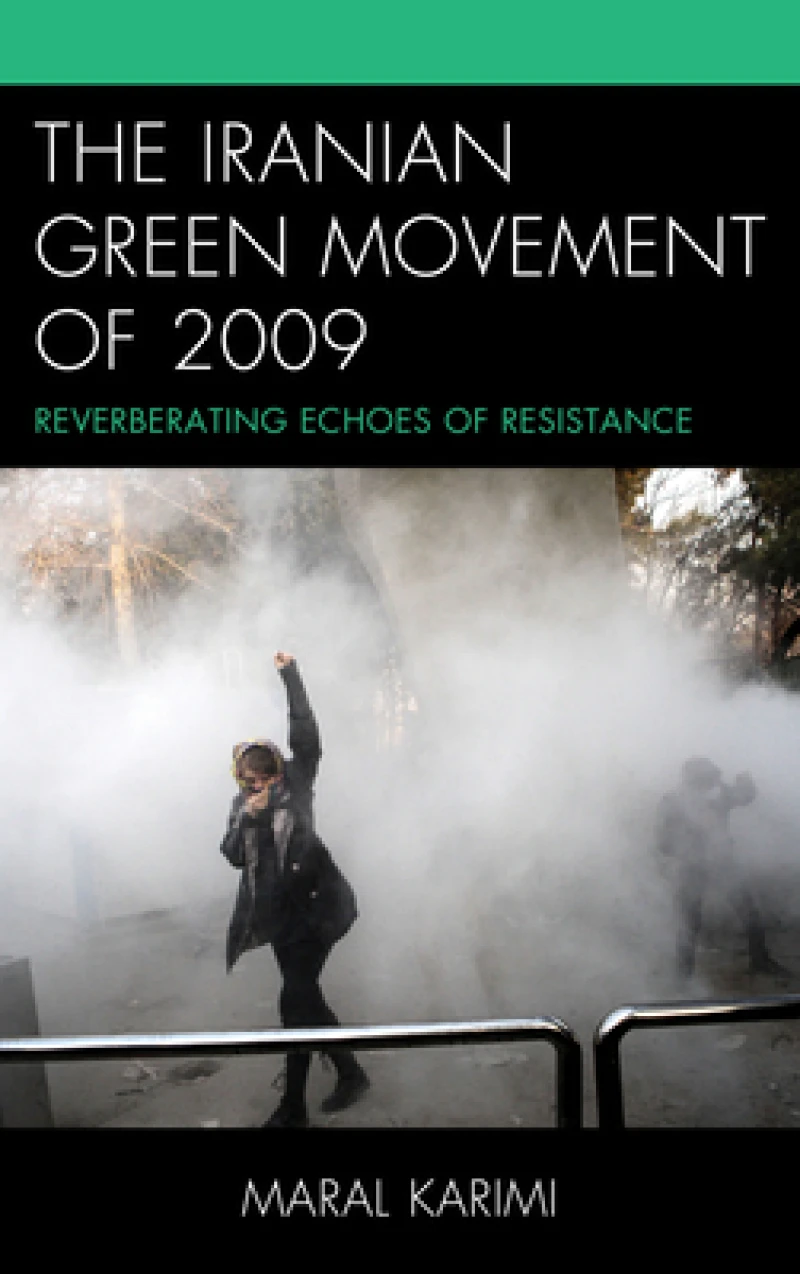
The Iranian Green Movement of 2009 : Reverberating Echoes of Resistance
by
Maral Karimi
Book Details
Format
Paperback / Softback
ISBN-10
1498558682
ISBN-13
9781498558686
Publisher
Bloomsbury Publishing Plc
Imprint
Lexington Books
Country of Manufacture
US
Country of Publication
GB
Publication Date
Aug 13th, 2020
Print length
264 Pages
Weight
402 grams
Dimensions
15.20 x 23.00 x 2.00 cms
Product Classification:
Politics & governmentInternational relations
Ksh 7,700.00
Manufactured on Demand
0 in stock
Delivery Location
Delivery fee: Select location
Secure
Quality
Fast
This book studies the political communications of the Iranian Green Movement of 2009, linking the events both to the revolution of 1979 and the protests of 2017-2018 to develop an understanding of the conditions that contributed to the demise of the movement. The data are drawn from YouTube videos and analyzed through Critical Discourse Analysis.
In 2009 Iran witnessed the Green Movement, a popular uprising that challenged the status quo of the socio-political structures of the Islamic Republic. This movement which pre-dates the Arab Spring uprisings in the region, drove large numbers of Iranian citizens to the streets, reminiscent of the 1979 revolution, protesting the presidential election results. This book investigates the impact of the political communications of the leaders of the uprising, namely Mir-Hossein Mousavi, Zahra Rahnavard and Hojatol Islam Mehdi Karoubi, on the movement. Although the Green Movement was ultimately unsuccessful, it produced valuable data for studying political uprisings and the role of social media in facilitating articulations of dissent, especially in the Middle East. This work is particularly significant since the cycle of protests surfaced again in 2017-2018 and Iran was yet again embroiled in violent dissent.
This book provides a historical link between the political discourse of Ayatollah Khomeini, the founder of the current regime, and that of the leaders of the Green Movement. Such historical approach facilitates an understanding of the impact and implication of speech on key Iranian uprisings since the revolution of 1979. In other words, this book asks was the discourse of the leaders of the Green Movement oriented towards building bridges or systematically distorted communication oriented to electoral success?
This work successfully tests the viability of a constellation of critical and cultural theories in the Iranian context. More specifically Jurgen Habermas’ Theory of Communicative Action, his conception of the Public Sphere as well as Anthony Giddens Theory of Structuration serve as the theoretical foundations of this inquiry. Furthermore, this book takes the unique approach of analysing YouTube videos of the protests, for the counter hegemonic role played by this social media platform as well its broadcast capabilities in authoritarian regimes where mass media are in the service of the ruling class. This study takes a Critical Discourse Analysis approach to analyse the collected data. The investigation uncovers evidence of systematic communication distortion in the public discourse of both Ayatollah Khomeini and the leaders of the Green Movement and discusses the impact of said distortions on the direction and shaping of the movement. This book also offers a brief analysis of the 2018 protests in comparison with Green Movement and explores ways to unify the nation and move forward.
This book provides a historical link between the political discourse of Ayatollah Khomeini, the founder of the current regime, and that of the leaders of the Green Movement. Such historical approach facilitates an understanding of the impact and implication of speech on key Iranian uprisings since the revolution of 1979. In other words, this book asks was the discourse of the leaders of the Green Movement oriented towards building bridges or systematically distorted communication oriented to electoral success?
This work successfully tests the viability of a constellation of critical and cultural theories in the Iranian context. More specifically Jurgen Habermas’ Theory of Communicative Action, his conception of the Public Sphere as well as Anthony Giddens Theory of Structuration serve as the theoretical foundations of this inquiry. Furthermore, this book takes the unique approach of analysing YouTube videos of the protests, for the counter hegemonic role played by this social media platform as well its broadcast capabilities in authoritarian regimes where mass media are in the service of the ruling class. This study takes a Critical Discourse Analysis approach to analyse the collected data. The investigation uncovers evidence of systematic communication distortion in the public discourse of both Ayatollah Khomeini and the leaders of the Green Movement and discusses the impact of said distortions on the direction and shaping of the movement. This book also offers a brief analysis of the 2018 protests in comparison with Green Movement and explores ways to unify the nation and move forward.
Get The Iranian Green Movement of 2009 by at the best price and quality guaranteed only at Werezi Africa's largest book ecommerce store. The book was published by Bloomsbury Publishing Plc and it has pages.

