
Book Details
Format
Paperback / Softback
Book Series
Reimagining Ireland
ISBN-10
3039118374
ISBN-13
9783039118373
Edition
New
Publisher
Verlag Peter Lang
Imprint
Verlag Peter Lang
Country of Manufacture
CH
Country of Publication
GB
Publication Date
Dec 22nd, 2008
Print length
236 Pages
Weight
334 grams
Dimensions
15.30 x 26.10 x 1.40 cms
Product Classification:
Language: reference & generalLiterary studies: from c 1900 -Society & culture: general
Ksh 8,650.00
Manufactured on Demand
0 in stock
Delivery Location
Delivery fee: Select location
Secure
Quality
Fast
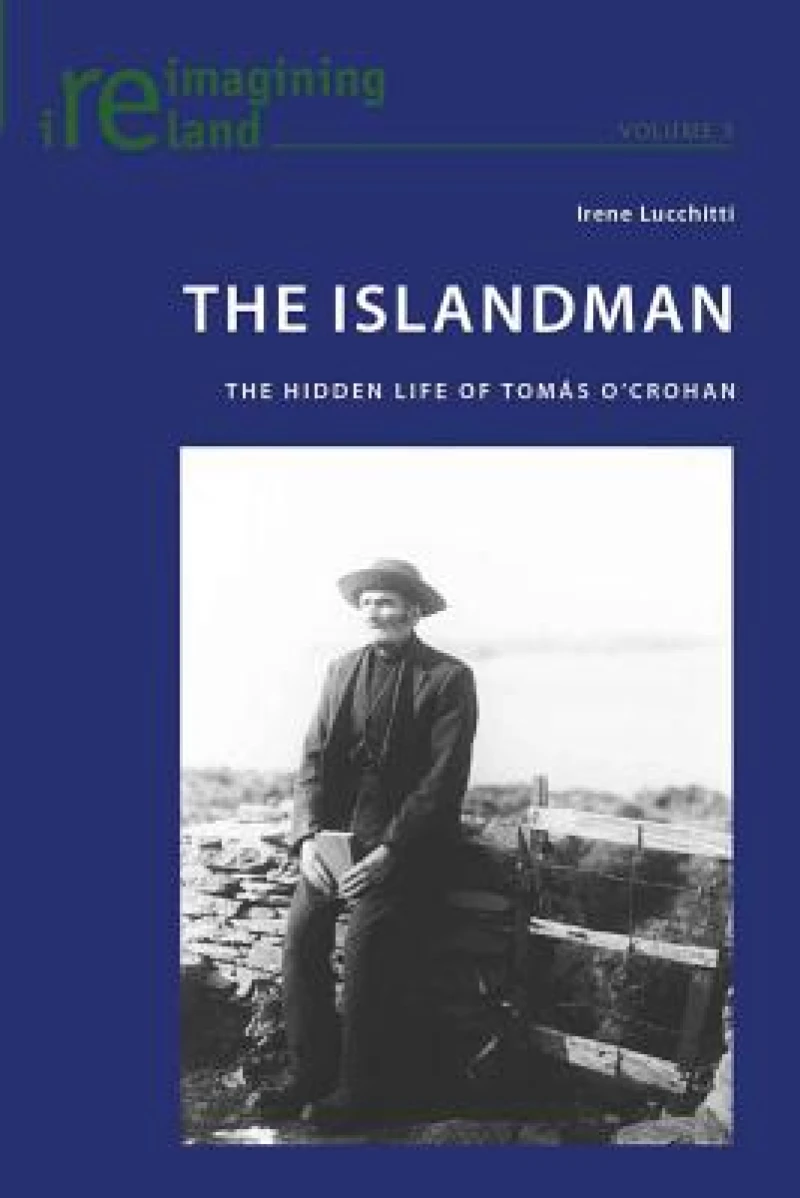
This book concerns Tomás O’Crohan of the Blasket Islands and offers a radical reinterpretation of this iconic Irish figure and his place in Gaelic literature. It examines the politics of Irish culture that turned O’Crohan into «The Islandman» and harnessed his texts to the national political project, presenting him as an instinctual, natural hero and a naïve, almost unwilling writer, and his texts as artefacts of unselfconscious, unmediated linguistic and ethnographic authenticity. The author demonstrates that such misleading claims, never properly scrutinised before this study, have been to the detriment of the author’s literary reputation and that they have obscured the deeply personal and highly idiosyncratic purpose and nature of his writing. At the core of the book is a recognition that what O’Crohan wrote was not primarily a history, nor an ethnography, but an autobiography. The book demonstrates that the conventional reading of the texts, which privileges O’Crohan’s fisherman identity, has hidden from view the writer protagonist inscribed in the texts, subordinating his identity as a writer to his identity as a peasant. The author shows O’Crohan to have been a literary pioneer who negotiated the journey from oral tradition into literature as well as a modern, self-aware man of letters engaging deliberately and artistically with questions of mortality.
This book concerns Tomás O’Crohan of the Blasket Islands and offers a radical reinterpretation of this iconic Irish figure and his place in Gaelic literature. It examines the politics of Irish culture that turned O’Crohan into «The Islandman» and harnessed his texts to the national political project, presenting him as an instinctual, natural hero and a naïve, almost unwilling writer, and his texts as artefacts of unselfconscious, unmediated linguistic and ethnographic authenticity. The author demonstrates that such misleading claims, never properly scrutinised before this study, have been to the detriment of the author’s literary reputation and that they have obscured the deeply personal and highly idiosyncratic purpose and nature of his writing.
At the core of the book is a recognition that what O’Crohan wrote was not primarily a history, nor an ethnography, but an autobiography. The book demonstrates that the conventional reading of the texts, which privileges O’Crohan’s fisherman identity, has hidden from view the writer protagonist inscribed in the texts, subordinating his identity as a writer to his identity as a peasant. The author shows O’Crohan to have been a literary pioneer who negotiated the journey from oral tradition into literature as well as a modern, self-aware man of letters engaging deliberately and artistically with questions of mortality.
At the core of the book is a recognition that what O’Crohan wrote was not primarily a history, nor an ethnography, but an autobiography. The book demonstrates that the conventional reading of the texts, which privileges O’Crohan’s fisherman identity, has hidden from view the writer protagonist inscribed in the texts, subordinating his identity as a writer to his identity as a peasant. The author shows O’Crohan to have been a literary pioneer who negotiated the journey from oral tradition into literature as well as a modern, self-aware man of letters engaging deliberately and artistically with questions of mortality.
Get The Islandman by at the best price and quality guaranteed only at Werezi Africa's largest book ecommerce store. The book was published by Verlag Peter Lang and it has pages.

