
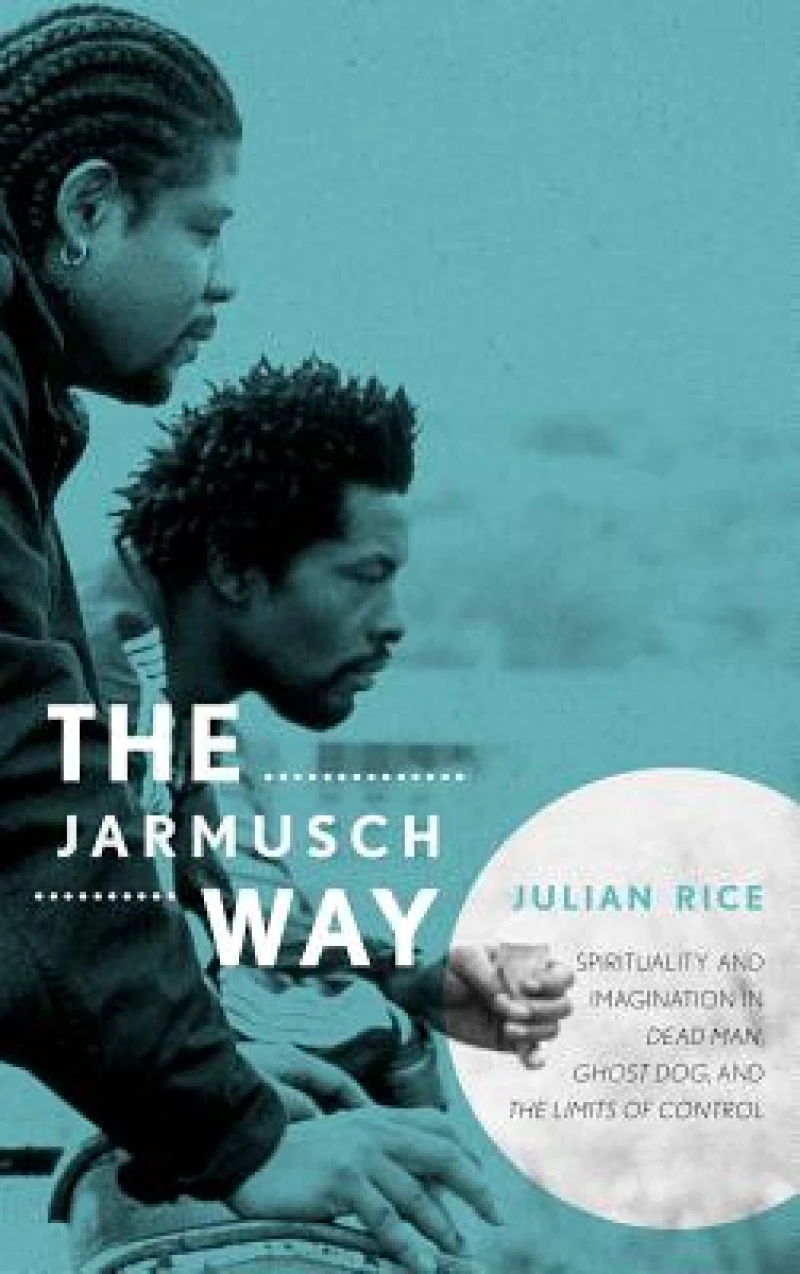
The Jarmusch Way : Spirituality and Imagination in Dead Man, Ghost Dog, and The Limits of Control
by
Julian Rice
Book Details
Format
Hardback or Cased Book
ISBN-10
0810885727
ISBN-13
9780810885721
Publisher
Scarecrow Press
Imprint
Scarecrow Press
Country of Manufacture
GB
Country of Publication
GB
Publication Date
Oct 12th, 2012
Print length
336 Pages
Weight
680 grams
Dimensions
23.80 x 16.10 x 2.60 cms
Product Classification:
Film theory & criticismIndividual film directors, film-makers
Ksh 19,600.00
Manufactured on Demand
0 in stock
Delivery Location
Delivery fee: Select location
Secure
Quality
Fast
Since the early 1980s, Jim Jarmusch has produced a handful of idiosyncratic films that have established him as one of the most imaginatively allusive directors in the history of American cinema. Three of his films—Dead Man (1995), Ghost Dog (1999), and The Limits of Control (2009)—demonstrate the director’s unique take on Eastern and Aboriginal spirituality. In particular, they reflect Jarmusch’s rejection of Western monotheism’s fear-driven separation of life and death. While these films address historical issues of imperialism, colonialism, and genocide, they also demonstrate a uniquely spiritual form of resistance to conditions that political solutions have not resolved.The impact of Dead Man, Ghost Dog, and The Limits of Control cannot be fully felt without considering the multicultural sources from which the writer/director drew. In The Jarmusch Way, Julian Rice looks closely at these three films and explores their relation to Eastern philosophy and particular works of Western literature, painting, and cinema. This book also delves deeply into the films’ association with Native American culture, a subject upon which Rice has written extensively.Though he has garnered a passionate following in some circles, Jarmusch remains critically underappreciated. Making a case that this director deserves far more serious attention than he has received thus far, The Jarmusch Way thoroughly discusses three of his most intriguing films.
Since the early 1980s, Jim Jarmusch has produced a handful of idiosyncratic films that have established him as one of the most imaginatively allusive directors in the history of American cinema. Three of his films—Dead Man (1995), Ghost Dog (1999), and The Limits of Control (2009)—demonstrate the director’s unique take on Eastern and Aboriginal spirituality. In particular, they reflect Jarmusch’s rejection of Western monotheism’s fear-driven separation of life and death. While these films address historical issues of imperialism, colonialism, and genocide, they also demonstrate a uniquely spiritual form of resistance to conditions that political solutions have not resolved. The impact of Dead Man, Ghost Dog, and The Limits of Control cannot be fully felt without considering the multicultural sources from which the writer/director drew. In The Jarmusch Way, Julian Rice looks closely at these three films and explores their relation to Eastern philosophy and particular works of Western literature, painting, and cinema. This book also delves deeply into the films’ association with Native American culture, a subject upon which Rice has written extensively. Though he has garnered a passionate following in some circles, Jarmusch remains critically underappreciated. Making a case that this director deserves far more serious attention than he has received thus far, The Jarmusch Way thoroughly discusses three of his most intriguing films.
Get The Jarmusch Way by at the best price and quality guaranteed only at Werezi Africa's largest book ecommerce store. The book was published by Scarecrow Press and it has pages.

