
Book Details
Format
Paperback / Softback
ISBN-10
9052017522
ISBN-13
9789052017525
Edition
New
Publisher
Presses Interuniversitaires Europeennes
Imprint
Presses Interuniversitaires Europeennes
Country of Manufacture
BE
Country of Publication
GB
Publication Date
Dec 29th, 2011
Print length
285 Pages
Weight
404 grams
Dimensions
22.20 x 15.10 x 1.80 cms
Ksh 7,550.00
Manufactured on Demand
0 in stock
Delivery Location
Delivery fee: Select location
Secure
Quality
Fast
This book was awarded the «Joop Witteveenprijs 2012».
In the aftermath of the French Revolution, the role of the monarchy in Western Europe was redefined. Together with the absolutist sovereigns, the historian’s interest in courts and court life in the nineteenth century seems to have vanished.
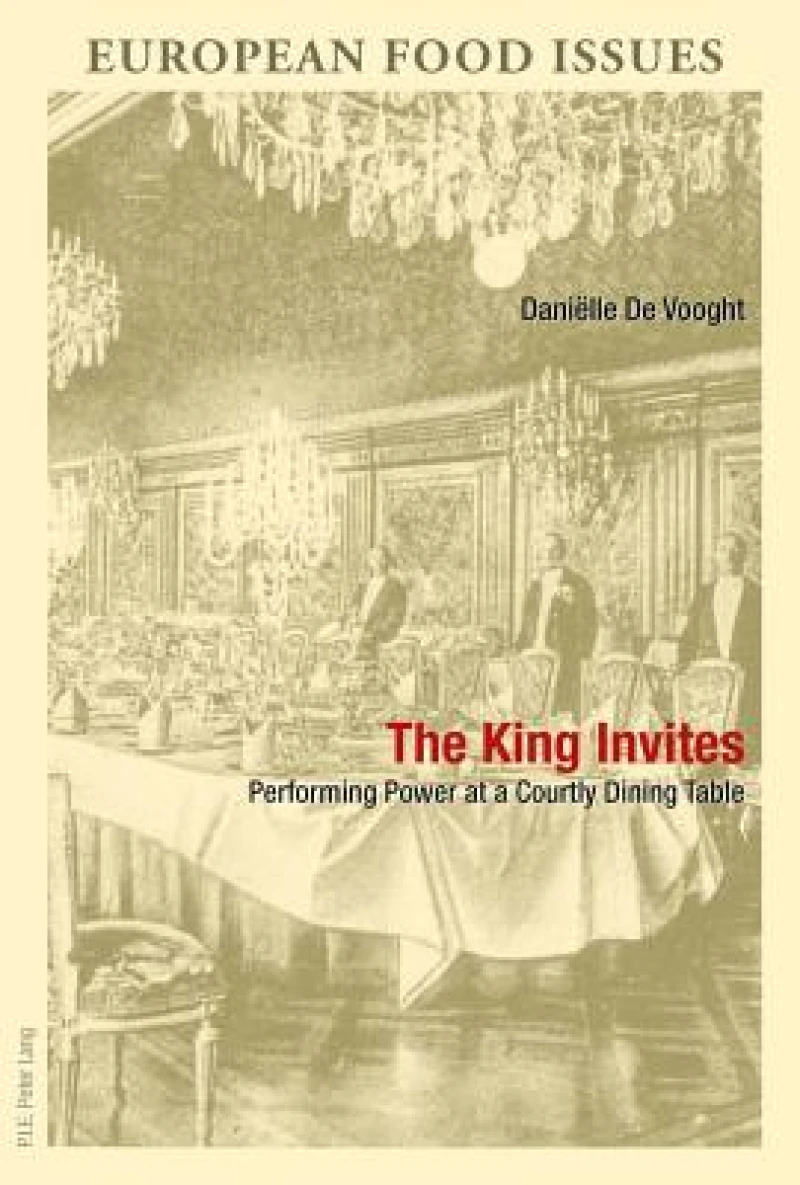
This book investigates what happened to the institution of the monarchy in the nineteenth century. More specifically, it examines whether the nineteenth-century Belgian monarchs can be described as influential, or even powerful. The volume also deals with another hiatus in history writing, namely food at nineteenth-century courts. The author addresses these two issues by examining the Belgian king and queen’s dinner guests, as well as the food that was served at the palace. She considers questions such as who was invited, who got to share a table, how did the guest lists evolve over time, was the food adjusted according to the guests and how did the food evolve?
A social network analysis of the dinner guests and a qualitative analysis of the court food are used as tools to tackle these questions. In this way, this book deals with issues that touch upon the very core of society’s development: power, hierarchies, status, imitation, segregation and distinction.
In the aftermath of the French Revolution, the role of the monarchy in Western Europe was redefined. Together with the absolutist sovereigns, the historian’s interest in courts and court life in the nineteenth century seems to have vanished.
This book investigates what happened to the institution of the monarchy in the nineteenth century. More specifically, it examines whether the nineteenth-century Belgian monarchs can be described as influential, or even powerful. The volume also deals with another hiatus in history writing, namely food at nineteenth-century courts. The author addresses these two issues by examining the Belgian king and queen’s dinner guests, as well as the food that was served at the palace. She considers questions such as who was invited, who got to share a table, how did the guest lists evolve over time, was the food adjusted according to the guests and how did the food evolve?
A social network analysis of the dinner guests and a qualitative analysis of the court food are used as tools to tackle these questions. In this way, this book deals with issues that touch upon the very core of society’s development: power, hierarchies, status, imitation, segregation and distinction.
Get The King Invites by at the best price and quality guaranteed only at Werezi Africa's largest book ecommerce store. The book was published by Presses Interuniversitaires Europeennes and it has pages.

