
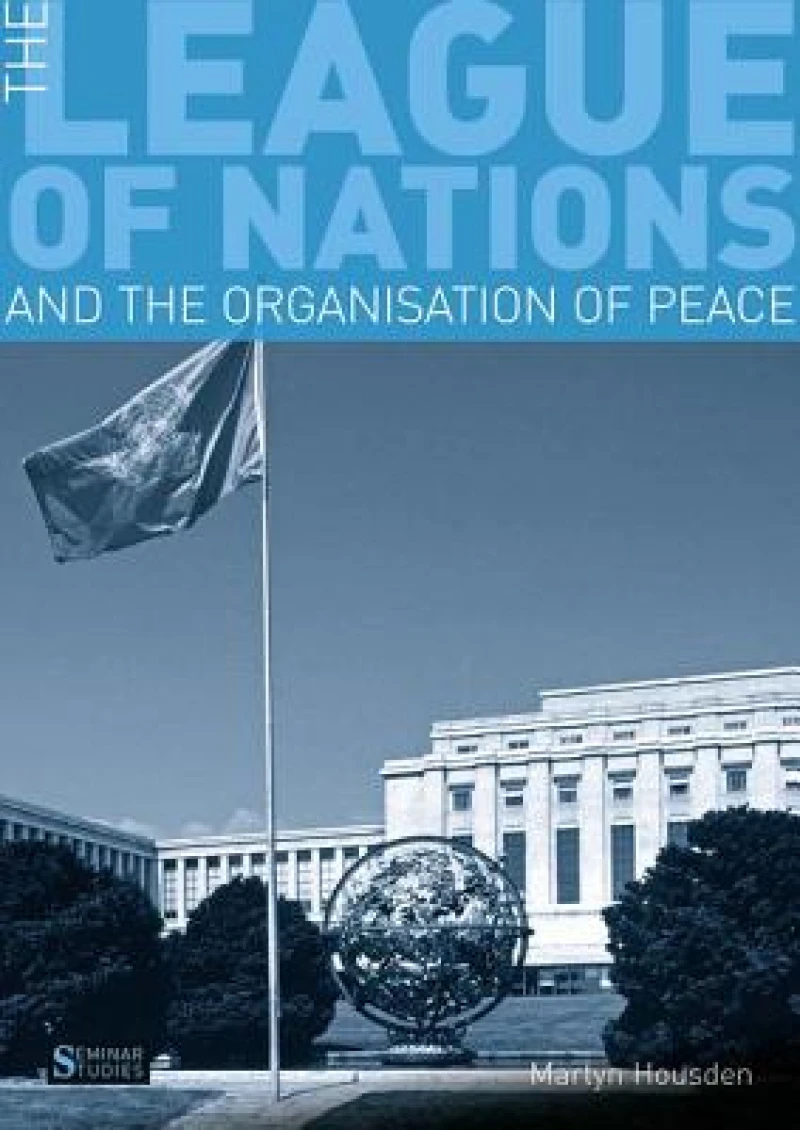
The League of Nations and the Organization of Peace
Book Details
Delivery Location
Delivery fee: Select location
The League of Nations was the first globally recognized inter-governmental body that attempted to organise peace comprehensively. It addressed not only the traditional security areas of military balances and diplomacy, including the peaceful settlement of international disputes, but also aimed at removing the very causes of war by promoting social and economic justice (specifically by addressing the welfare of vulnerable people). In many ways decades ahead of its time, the League broke the mould as a mechanism for ‘doing international relations’. New to the Seminar Studies in History Series, it contains valuable primary source material, a Glossary, Bibliography and Who''s Who.
The League of Nations - pre-cursor to the United Nations - was founded in 1919 as a response to the First World War to ensure collective security and prevent the outbreak of future wars. It was set up to facilitate diplomacy in the face of future international conflict, but also to work towards eradicating the very causes of war by promoting social and economic justice. The philosophy behind much of the League''s fascinating and varied roles was to help create satisfied populations who would reject future threats to the peace of their world.
In this new volume for Seminar Studies, Martyn Housden sets out to balance the League''s work in settling disputes, international security and disarmament with an analysis of its achievements in social and economic fields. He explores the individual contributions of founding members of the League, such as Fridtjof Nansen, Ludwik Rajchman, Rachel Crowdy, Robert Cecil and Jan Smuts, whose humanitarian work laid the foundations for the later successes of the United Nations in such areas as:
- the welfare of vulnerable people, especially prisoners of war and refugees
- dealing with epidemic diseases and promoting good health
- anti-drugs campaigns
Supported by previously unpublished documents and photographs, this book illustrates how an understanding of the League of Nations, its achievements and its ultimate failure to stop the Second World War, is central to our understanding of diplomacy and international relations in the Inter-War period.
Get The League of Nations and the Organization of Peace by at the best price and quality guaranteed only at Werezi Africa's largest book ecommerce store. The book was published by Pearson Education Limited and it has pages.

