
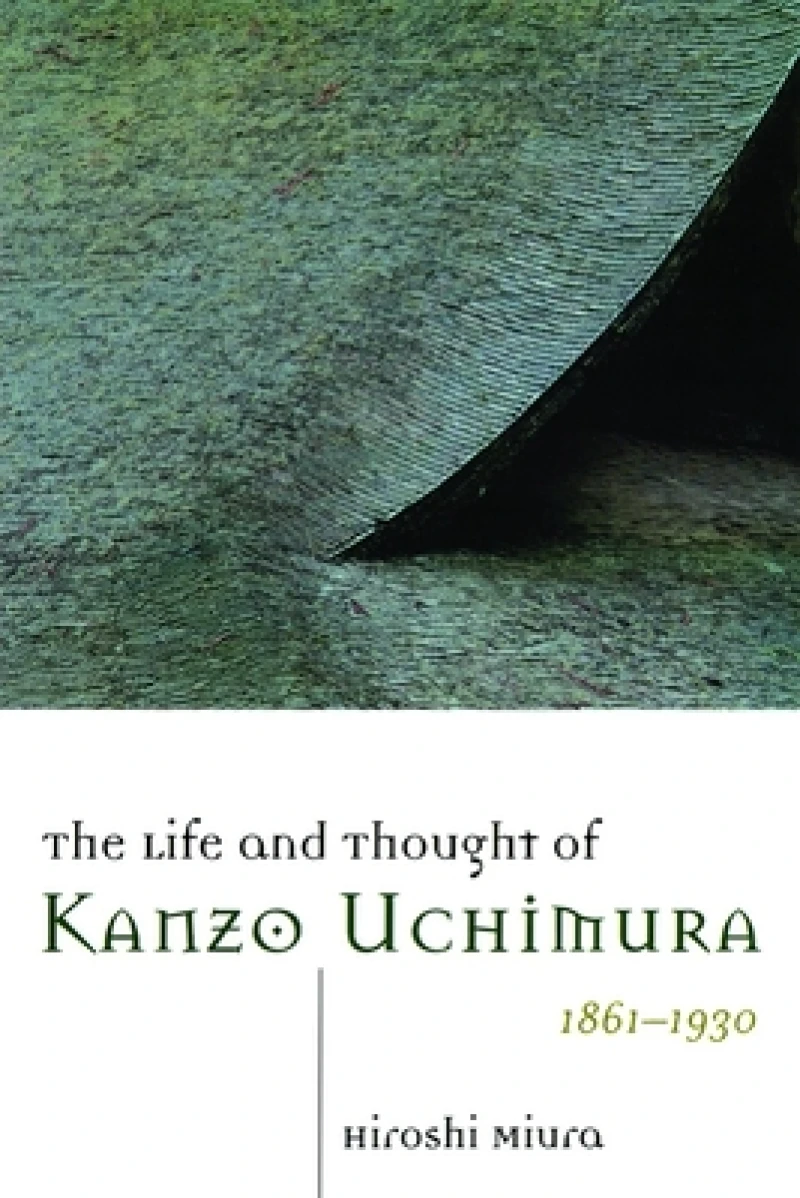
The Life and Thought of Kanzo Uchimura, 1861-1930
Book Details
Format
Paperback / Softback
ISBN-10
0802842054
ISBN-13
9780802842053
Publisher
William B Eerdmans Publishing Co
Imprint
William B Eerdmans Publishing Co
Country of Manufacture
GB
Country of Publication
GB
Publication Date
Feb 5th, 1997
Print length
156 Pages
Weight
229 grams
Dimensions
23.40 x 15.60 x 0.80 cms
Product Classification:
Christian theologyChristianity
Ksh 3,600.00
Temporarily out of stock, due soon
0 in stock
Delivery Location
Delivery fee: Select location
Secure
Quality
Fast
While staying in the United States in 1884 at the age of 23, Kanzo Uchimura (1861-1930) felt a sense of religious calling that led him to devote the rest of his life to Christian mission in Japan. His subsequent life and work earned him recognition as one of the most important Japanese thinkers, essayists, and theologians of the late nineteenth and early twentieth centuries.
Uchimura claimed that Japan adopted Western civilization at the reopening of the country in the late nineteenth century but did not adopt Christianity itself — the very cause, spirit, and life of Western civilization. This was the origin of all the difficulties Japan had been experiencing. There is no question that Uchimura believed Christianity would save Japan and the Japanese; the real question was "What kind of Christianity?"
In his view Christian faith entails a radical dependence on the gospel; baptism, communion, and the other sacraments are not necessary. He also believed that God's truth can be revealed directly to each individual, so that an intermediary between God and people, such as a minister, priest, or pope, is not required. This argument led Uchimura to start the Mukyokai-shugi (Non-churchism), a denial of the institutional church. Miura here explores in depth this theme in Uchimura's thought as well as Uchimura's particular vision of Japan's mission to the world.
This study not only offers Western readers new information about Kanzo Uchimura and the Japanese Non- church Movement; it also provides important insights into the way Christianity can be indigenized in a new culture, such as that of modern Japan.
Uchimura claimed that Japan adopted Western civilization at the reopening of the country in the late nineteenth century but did not adopt Christianity itself — the very cause, spirit, and life of Western civilization. This was the origin of all the difficulties Japan had been experiencing. There is no question that Uchimura believed Christianity would save Japan and the Japanese; the real question was "What kind of Christianity?"
In his view Christian faith entails a radical dependence on the gospel; baptism, communion, and the other sacraments are not necessary. He also believed that God's truth can be revealed directly to each individual, so that an intermediary between God and people, such as a minister, priest, or pope, is not required. This argument led Uchimura to start the Mukyokai-shugi (Non-churchism), a denial of the institutional church. Miura here explores in depth this theme in Uchimura's thought as well as Uchimura's particular vision of Japan's mission to the world.
This study not only offers Western readers new information about Kanzo Uchimura and the Japanese Non- church Movement; it also provides important insights into the way Christianity can be indigenized in a new culture, such as that of modern Japan.
Get The Life and Thought of Kanzo Uchimura, 1861-1930 by at the best price and quality guaranteed only at Werezi Africa's largest book ecommerce store. The book was published by William B Eerdmans Publishing Co and it has pages.

