
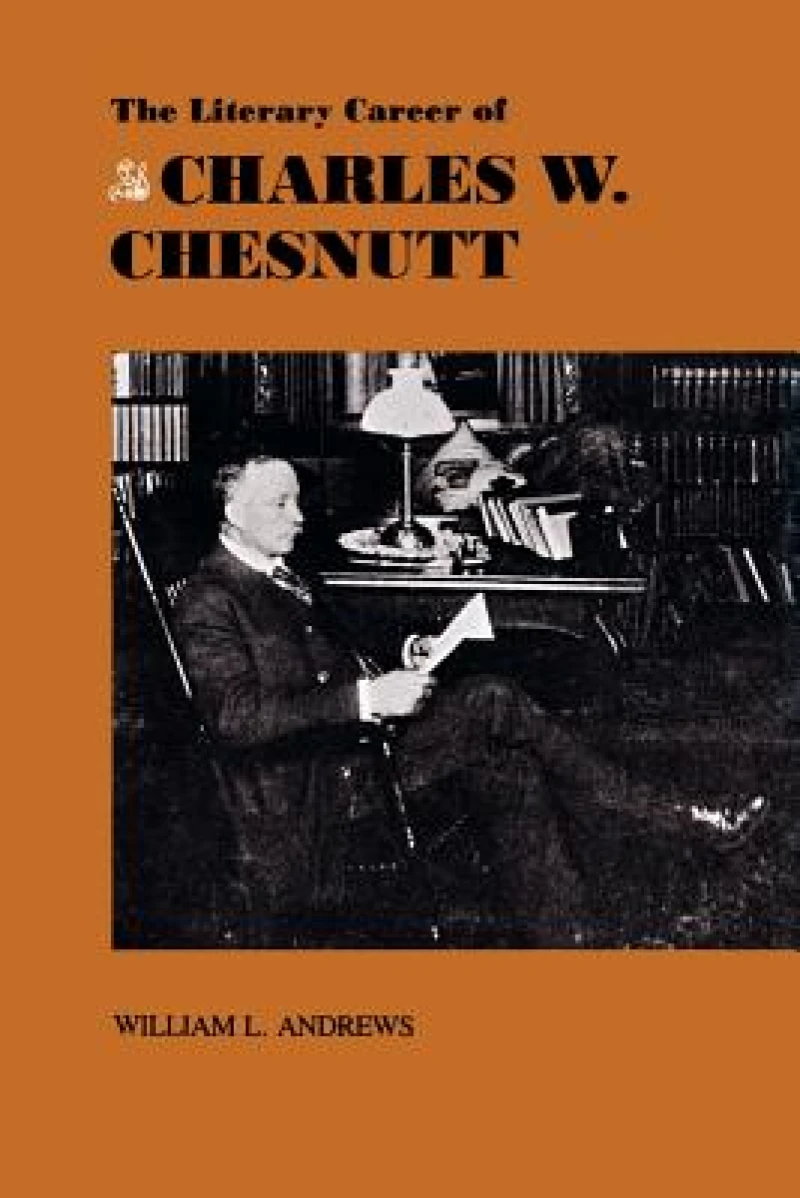
The Literary Career of Charles W. Chesnutt
Book Details
Format
Paperback / Softback
Book Series
Southern Literary Studies
ISBN-10
0807124524
ISBN-13
9780807124529
Publisher
Louisiana State University Press
Imprint
Louisiana State University Press
Country of Manufacture
US
Country of Publication
GB
Publication Date
Mar 1st, 1999
Print length
312 Pages
Weight
333 grams
Dimensions
22.80 x 15.20 x 1.70 cms
Product Classification:
Modern & contemporary fiction (post c 1945)Modern and contemporary fiction: literary and general
Ksh 5,450.00
Werezi Extended Catalogue
0 in stock
Delivery Location
Delivery fee: Select location
Secure
Quality
Fast
The career of any black writer in nineteenth-century American was fraught with difficulties, and William Andrews undertakes to explain how and why Charles Waddell Chesnutt (1858-1932) became the first Negro novelist of importance: ""Steering a difficult course between becoming co-opted by his white literary supporters and becoming alienated from then and their access to the publishing medium, Chesnutt became the first Afro-American writer to use the white-controlled mass media in the service of serious fiction on behalf of the black community.""Awarded the Spingarn Medal in 1928 by the National Association for the Advancement of coloured People, Chesnutt admitted without apologies that because of his own experiences, most of his writings concentrated on issue about racial identity. Only one-eighth Negro and able to pass for Caucasian, Chesnutt dramatized the dilemma of others like him. The House Behind the Cedars (1900), Chesnutt's most autobiographical novel, evokes the world of ""bright mulatto"" caste in post-Civil War North Carolina and pictures the punitive consequences of being of mixed heritage. Chesnutt not only made a crucial break with many literary conventions regarding Afro-American life, crafting his authentic material with artistic distinction, he also broached the moral issue of the racial caste system and dared to suggest that a gradual blending of the races would alleviate a pernicious blight on the nation's moral progress. Andrews argues that ""along with Cable in The Grandissimes and Mark Twain in Pudd'nhead Wilson, Chesnutt anticipated Faulkner in focusing on miscegenation, even more than slavery, as the repressed myth of the American past and a powerful metaphor of southern post-Civil War history."" Although Chesnutt's career suffered setback and though he was faced with compromises he consistently saw America's race problem as intrinsically moral rather than social or political. In his fiction he pictures the strengths of Afro-Americans and affirms their human dignity and heroic will. William L. Andrews provides an account of essentially all that Chesnutt wrote, covering the unpublished manuscripts as well as the more successful efforts and viewing these materials in he context of the author's times and of his total career. Though the scope of this book extends beyond textual criticism, the thoughtful discussions of Chesnutt's works afford us a vivid and gratifying acquaintance with the fiction and also account for an important episode in American letters and history.
Get The Literary Career of Charles W. Chesnutt by at the best price and quality guaranteed only at Werezi Africa's largest book ecommerce store. The book was published by Louisiana State University Press and it has pages.

