
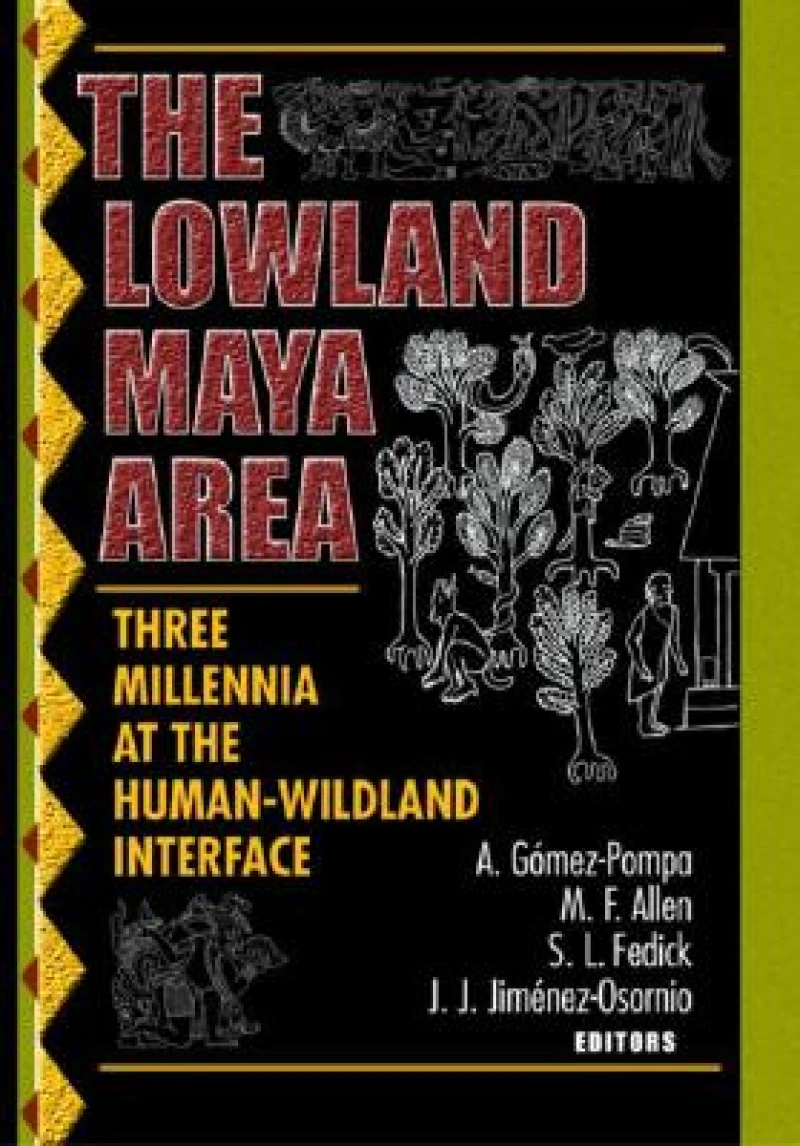
The Lowland Maya Area : Three Millennia at the Human-Wildland Interface
Book Details
Format
Paperback / Softback
ISBN-10
1560229713
ISBN-13
9781560229711
Publisher
Taylor & Francis Inc
Imprint
CRC Press Inc
Country of Manufacture
GB
Country of Publication
GB
Publication Date
Sep 18th, 2003
Print length
660 Pages
Weight
1,020 grams
Product Classification:
General & world historyHistory of the AmericasAncient history: to c 500 CE
Ksh 22,500.00
Werezi Extended Catalogue
0 in stock
Delivery Location
Delivery fee: Select location
Secure
Quality
Fast
Integrating history, biodiversity, ethnobotany, geology, ecology, archaeology, anthropology, and other disciplines, The Lowland Maya Area is a valuable guide to the fascinating relationship between man and his environment in the Yucatán peninsula. This book covers virtually every aspect of the biology and ecology of the Maya Lowlands and the many ways that human beings have interacted with their surroundings in that area for the last three thousand years. You''ll learn about newly discovered archaeological evidence of wetland use; the domestication and use of cacao and henequen plants; a biodiversity assessment of a select group of plants, animals, and microorganisms; the area''s forgotten cotton, indigo, and wax industries; the ecological history of the Yucatán Peninsula; and much more. This comprehensive book will open your eyes to what we can learn from the Maya people—people who continue to live on their native lands, integrating modern life with their old ways and teaching valuable lessons about human dependence on and management of environmental resources.
What can we learn from the people of the Maya Lowlands?
Integrating history, biodiversity, ethnobotany, geology, ecology, archaeology, anthropology, and other disciplines, The Lowland Maya Area is a valuable guide to the fascinating relationship between man and his environment in the Yucatán peninsula. This book covers virtually every aspect of the biology and ecology of the Maya Lowlands and the many ways that human beings have interacted with their surroundings in that area for the last three thousand years. You''ll learn about newly discovered archaeological evidence of wetland use; the domestication and use of cacao and henequen plants; a biodiversity assessment of a select group of plants, animals, and microorganisms; the area''s forgotten cotton, indigo, and wax industries; the ecological history of the Yucatán Peninsula; and much more. This comprehensive book will open your eyes to all that we can learn from the Maya people, who continue to live on their native lands, integrating modern life with their old ways and teaching valuable lessons about human dependence on and management of environmental resources.
The Lowland Maya Area explores:
As the editors of The Lowland Maya Area say in their concluding chapter: “If we are to gain global perspective from the changing Maya world, it is that understanding space and time is absolutely critical to human persistence.” Understanding how the Maya have interacted with their environment for thousands of years while maintaining biodiversity will help us understand how we too can work for sustainable development in our own environments.
Integrating history, biodiversity, ethnobotany, geology, ecology, archaeology, anthropology, and other disciplines, The Lowland Maya Area is a valuable guide to the fascinating relationship between man and his environment in the Yucatán peninsula. This book covers virtually every aspect of the biology and ecology of the Maya Lowlands and the many ways that human beings have interacted with their surroundings in that area for the last three thousand years. You''ll learn about newly discovered archaeological evidence of wetland use; the domestication and use of cacao and henequen plants; a biodiversity assessment of a select group of plants, animals, and microorganisms; the area''s forgotten cotton, indigo, and wax industries; the ecological history of the Yucatán Peninsula; and much more. This comprehensive book will open your eyes to all that we can learn from the Maya people, who continue to live on their native lands, integrating modern life with their old ways and teaching valuable lessons about human dependence on and management of environmental resources.
The Lowland Maya Area explores:
- the impact of hurricanes and fire on local environments
- historic and modern Maya concepts of forests
- the geologic history of the Yucatán
- challenges to preserving Maya architecture
- newly-discovered evidence of fertilizer use among the ancient Maya
- cooperation between locals and researchers that fosters greater knowledge on both sides
- recommendations to help safeguard the future
As the editors of The Lowland Maya Area say in their concluding chapter: “If we are to gain global perspective from the changing Maya world, it is that understanding space and time is absolutely critical to human persistence.” Understanding how the Maya have interacted with their environment for thousands of years while maintaining biodiversity will help us understand how we too can work for sustainable development in our own environments.
Get The Lowland Maya Area by at the best price and quality guaranteed only at Werezi Africa's largest book ecommerce store. The book was published by Taylor & Francis Inc and it has pages.

