
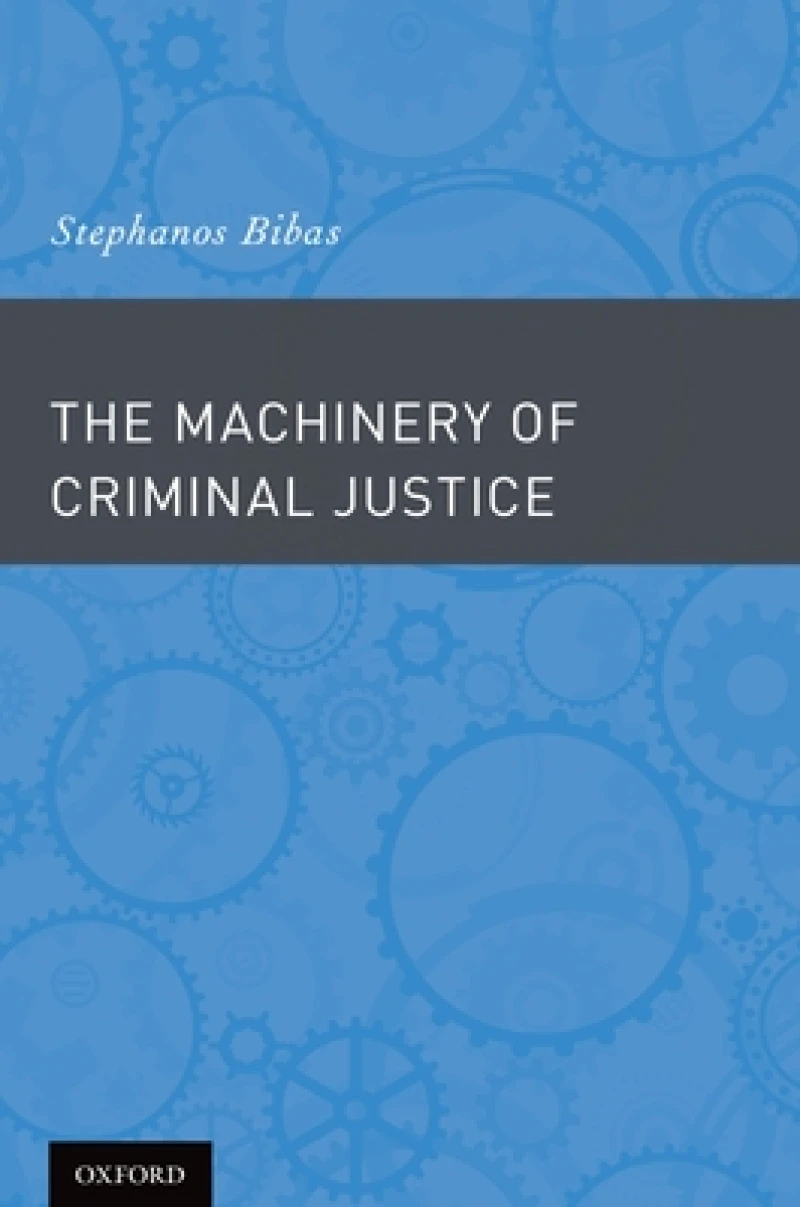
The Machinery of Criminal Justice
Book Details
Format
Hardback or Cased Book
ISBN-10
0195374681
ISBN-13
9780195374681
Publisher
Oxford University Press Inc
Imprint
Oxford University Press Inc
Country of Manufacture
US
Country of Publication
GB
Publication Date
Apr 26th, 2012
Print length
320 Pages
Weight
602 grams
Dimensions
24.00 x 16.10 x 2.10 cms
Product Classification:
Criminal justice lawCriminal procedure
Ksh 20,450.00
Manufactured on Demand
0 in stock
Delivery Location
Delivery fee: Select location
Secure
Quality
Fast
The Machinery of Criminal Justice explores the transformation of the criminal justice system and considers how criminal justice could better accommodate lay participation, values, and relationships.
Two centuries ago, the American criminal justice was run primarily by laymen. Jury trials passed moral judgment on crimes, vindicated victims and innocent defendants, and denounced the guilty. But over the last two centuries, lawyers have taken over the process, silencing victims and defendants and, in many cases, substituting a plea-bargaining system for the voice of the jury. The public sees little of how this assembly-line justice works, and victims and defendants have largely lost their day in court. As a result, victims rarely hear defendants express remorse and apologize, and defendants rarely receive forgiveness. This lawyerized machinery has purchased efficient, speedy processing of many cases at the price of sacrificing softer values, such as reforming defendants and healing wounded victims and relationships. In other words, the U.S. legal system has bought quantity at the price of quality, without recognizing either the trade-off or the great gulf separating lawyers'' and laymen''s incentives, interests, values, and powers.In The Machinery of Criminal Justice, author Stephanos Bibas surveys these developments over the last two centuries, considers what we have lost in our quest for efficient punishment, and suggests ways to include victims, defendants, and the public once again. These ideas range from requiring convicts to work or serve in the military, to moving power from prosecutors to restorative sentencing juries. Bibas argues that doing so might cost more, but it would better serve criminal procedure''s interests in denouncing crime, vindicating victims, reforming wrongdoers, and healing the relationships torn by crime.
Get The Machinery of Criminal Justice by at the best price and quality guaranteed only at Werezi Africa's largest book ecommerce store. The book was published by Oxford University Press Inc and it has pages.

