
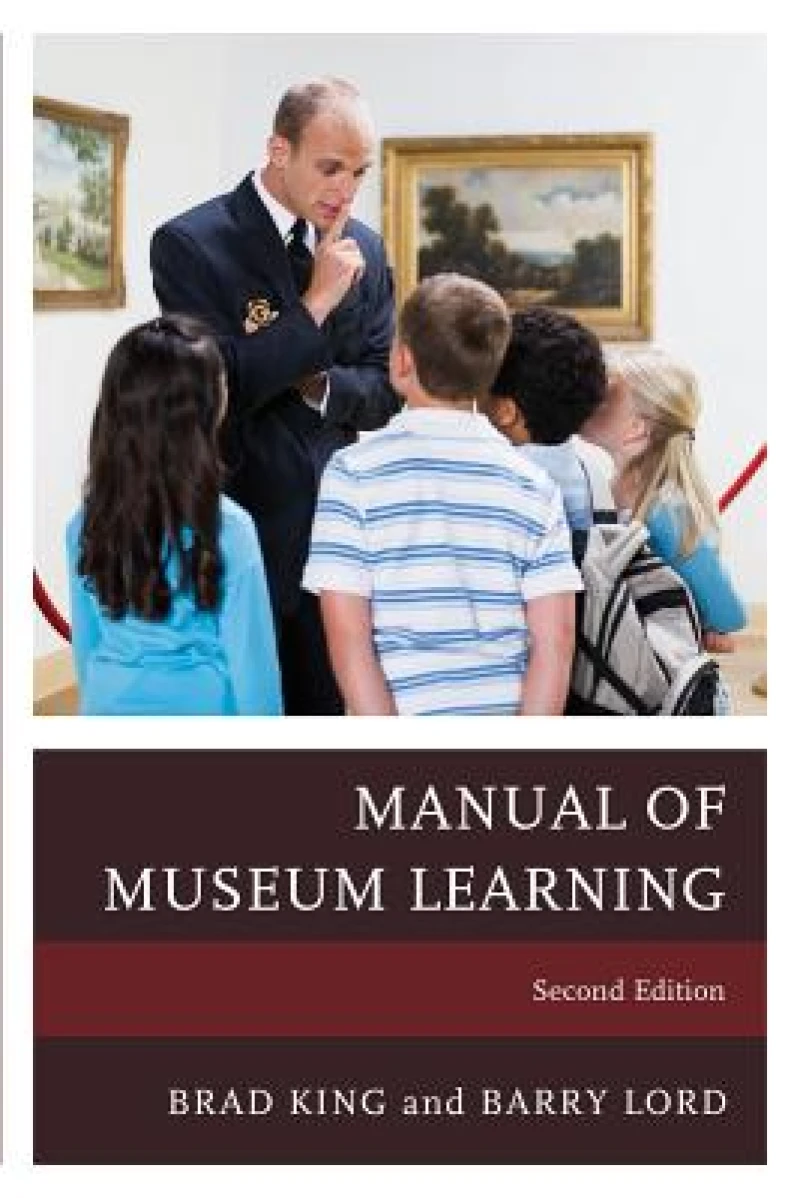
The Manual of Museum Learning
Second Edition
Book Details
Format
Paperback / Softback
ISBN-10
1442258470
ISBN-13
9781442258471
Edition
Second Edition
Publisher
Bloomsbury Publishing Plc
Imprint
Rowman & Littlefield Publishers
Country of Manufacture
US
Country of Publication
GB
Publication Date
Dec 15th, 2015
Print length
270 Pages
Weight
542 grams
Dimensions
17.80 x 29.10 x 2.30 cms
Product Classification:
Museology & heritage studiesBusiness & management
Ksh 10,800.00
Manufactured on Demand
0 in stock
Delivery Location
Delivery fee: Select location
Secure
Quality
Fast
Museum learning is a vital component of the lifelong-learning process.In this new edition of The Manual of Museum Learning, leading museum education professionals offer practical advice for creating successful learning experiences in museums and related institutions (such as galleries, zoos, and botanic gardens) that can attract and intrigue diverse audiences.The original Manual of Museum Learning was published in 2007. The editors have totally rethought this new edition. This second edition focuses on the ways museum staffs (and the departments for which they work) can facilitate the experience in a way that capitalizes on their individual institutional strengths. The goal of this new edition is to provide museums with guidance in developing a strategic approach to their learning programs. There is a close connection between institution-wide strategic planning – where an institution decides what course and direction it will take for a five to seven-year period – and its approach to museum learning. One size does not fit all, and what each museum is (or aspires to be) will affect its individual approach.Thus there are many routes for museums to take, many alternative ways for them to play this role. No one museum can be all things to all prospective learners; they will be better suited to some approaches than to others. This new edition identifies these approaches and enables museums to find the paths for which they are individually best suited, to help them identify their own unique approaches to facilitating museum learning. Each one’s mission and vision, its relationships with institutional and public stakeholders, local cultural and market factors, its individual collection and programmatic strengths, its financial position – all of these things matter. This second edition aims to help each museum find the right approach to learning for its unique situation by showing them the range of museum “personalities” in terms of their being learning institutions, what constitutes each type, and what the implications are of choosing one or another approach for a particular museum.A major theme of the 2nd edition of The Manual of Museum Learning is museum as connector; the ways in which museums are facilitating self-directed learning by connecting people with resources. Not all will connect audiences with learning vehicles in the same way. If museum learning is affective learning, then it is the role of the museum to connect its visitors, program participants and others who benefit from its knowledge to the learning resources that best suit the institution’s strengths and matches them to the learning needs of the museum’s audiences. By connecting users to the resources they are most interested in, or which best suit each individual’s particular learning styles, museums are at their best when they empower individuals to design their own learning experience in ways that resonate best with each individual.
Museum learning is a vital component of the lifelong-learning process. In this new edition of The Manual of Museum Learning, leading museum education professionals offer practical advice for creating successful learning experiences in museums and related institutions (such as galleries, zoos, and botanic gardens) that can attract and intrigue diverse audiences. The original Manual of Museum Learning was published in 2007. The editors have totally rethought this new edition. This second edition focuses on the ways museum staffs (and the departments for which they work) can facilitate the experience in a way that capitalizes on their individual institutional strengths. The goal of this new edition is to provide museums with guidance in developing a strategic approach to their learning programs. There is a close connection between institution-wide strategic planning – where an institution decides what course and direction it will take for a five to seven-year period – and its approach to museum learning. One size does not fit all, and what each museum is (or aspires to be) will affect its individual approach. Thus there are many routes for museums to take, many alternative ways for them to play this role. No one museum can be all things to all prospective learners; they will be better suited to some approaches than to others. This new edition identifies these approaches and enables museums to find the paths for which they are individually best suited, to help them identify their own unique approaches to facilitating museum learning. Each one’s mission and vision, its relationships with institutional and public stakeholders, local cultural and market factors, its individual collection and programmatic strengths, its financial position – all of these things matter. This second edition aims to help each museum find the right approach to learning for its unique situation by showing them the range of museum “personalities” in terms of their being learning institutions, what constitutes each type, and what the implications are of choosing one or another approach for a particular museum. A major theme of the 2nd edition of The Manual of Museum Learning is museum as connector; the ways in which museums are facilitating self-directed learning by connecting people with resources. Not all will connect audiences with learning vehicles in the same way. If museum learning is affective learning, then it is the role of the museum to connect its visitors, program participants and others who benefit from its knowledge to the learning resources that best suit the institution’s strengths and matches them to the learning needs of the museum’s audiences. By connecting users to the resources they are most interested in, or which best suit each individual’s particular learning styles, museums are at their best when they empower individuals to design their own learning experience in ways that resonate best with each individual.
Get The Manual of Museum Learning by at the best price and quality guaranteed only at Werezi Africa's largest book ecommerce store. The book was published by Bloomsbury Publishing Plc and it has pages.

