
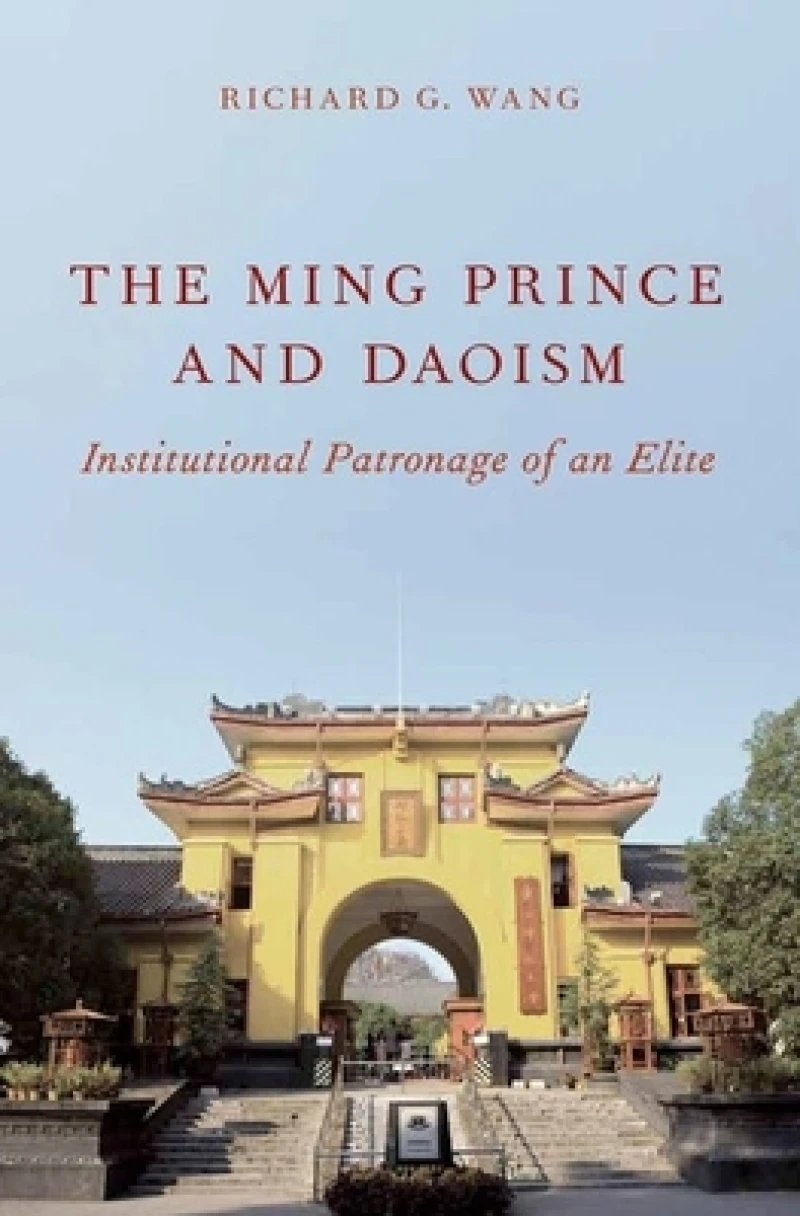
The Ming Prince and Daoism : Institutional Patronage of an Elite
Book Details
Format
Hardback or Cased Book
ISBN-10
0199767688
ISBN-13
9780199767687
Publisher
Oxford University Press Inc
Imprint
Oxford University Press Inc
Country of Manufacture
GB
Country of Publication
GB
Publication Date
Aug 23rd, 2012
Print length
336 Pages
Weight
688 grams
Dimensions
24.00 x 16.50 x 2.80 cms
Product Classification:
Asian historyHistory of religionBuddhismOriental religions
Ksh 19,250.00
Manufactured on Demand
0 in stock
Delivery Location
Delivery fee: Select location
Secure
Quality
Fast
By illuminating the role princes played in local religion during the Ming dynasty (1368-1644), Richard Wang demonstrates in The Ming Prince and Daoism that the princedom served to mediate between official religious policy and the commoners' interests.
Scholars of Daoism in the Ming dynasty (1368-1644) have paid particular attention to the interaction between the court and certain Daoist priests and to the political results of such interaction; the focus has been on either emperors or Daoist masters. Yet in the Ming era a special group of people patronized Daoism and Daoist establishments: these were the members of the imperial clan, who were enfeoffed as princes. In addition to personal belief and self-cultivation, a prince had other reasons to patronize Daoism. As the regional overlords, the Ming princes like other local elites saw financing and organizing temple affairs and rituals, patronizing Daoist priests, or collecting and producing Daoist books as a chance to maintain their influence and show off their power. The prosperity of Daoist institutions, which attracted many worshippers, also demonstrated the princes'' political success. Locally the Ming princes played an important cultural role as well by promoting the development of local religions. This book is the first to explore the interaction between Ming princes as religious patrons and local Daoism. Barred by imperial law from any serious political or military engagement, the Ming princes were ex officio managers of state rituals at the local level, with Daoist priests as key performers, and for this reason they became very closely involved in Daoist clerical and liturgical life. By illuminating the role the Ming princes played in local religion, Richard Wang demonstrates in The Ming Prince and Daoism that the princedom served to mediate between official religious policy and the commoners'' interests.
Get The Ming Prince and Daoism by at the best price and quality guaranteed only at Werezi Africa's largest book ecommerce store. The book was published by Oxford University Press Inc and it has pages.

