
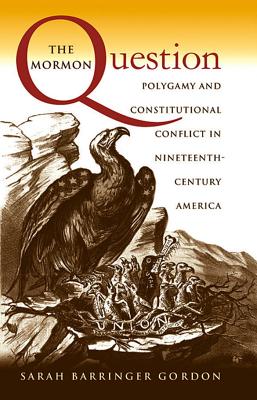
The Mormon Question : Polygamy and Constitutional Conflict in Nineteenth-Century America
New
Book Details
Format
Paperback / softback
Book Series
Studies in Legal History
ISBN-10
0807849871
ISBN-13
9780807849873
Edition
New
Publisher
The University of North Carolina Press
Imprint
The University of North Carolina Press
Country of Manufacture
US
Country of Publication
GB
Publication Date
Jan 21st, 2002
Print length
352 Pages
Weight
520 grams
Dimensions
23.30 x 14.60 x 2.10 cms
KSh 6,300.00
Currently unavailable
0 in stock
Delivery Location
Delivery fee: Select location
Secure
Quality
Fast
From 1852, until the Mormon Church's decision to abandon the practice in 1890, the battle over polygamy redefined religious liberty in America. This book discusses the ""Mormon question"" and its legacy in constitutional law and political theory.
How the battle over polygamy redefined religious liberty in America; From the Mormon Church''s public announcement of its sanction of polygamy in 1852 until its formal decision to abandon the practice in 1890, people on both sides of the ""Mormon question"" debated central questions of constitutional law. Did principles of religious freedom and local self-government protect Mormons'' claim to a distinct, religiously based legal order? Or was polygamy, as its opponents claimed, a new form of slavery - this time for white women in Utah? And did constitutional principles dictate that democracy and true liberty were founded on separation of church and state? As Sarah Barringer Gordon shows, the answers to these questions finally yielded an apparent victory for antipolygamists in the late nineteenth century, but only after decades of argument, litigation, and open conflict. Victory came at a price; as attention and national resources poured into Utah in the late 1870s and 1880s, antipolygamists turned more and more to coercion and punishment in the name of freedom. They also left a legacy in constitutional law and political theory that still governs our treatment of religious life: Americans are free to believe, but they may well not be free to act on their beliefs.
Get The Mormon Question by Sarah Barringer Gordon at the best price and quality guaranteed only at Werezi Africa's largest book ecommerce store. The book was published by The University of North Carolina Press and it has 352 pages.
Customers Who Bought This Also Bought

Tudor Church Militant
KSh 2,350.00

All Things Made New
KSh 3,050.00
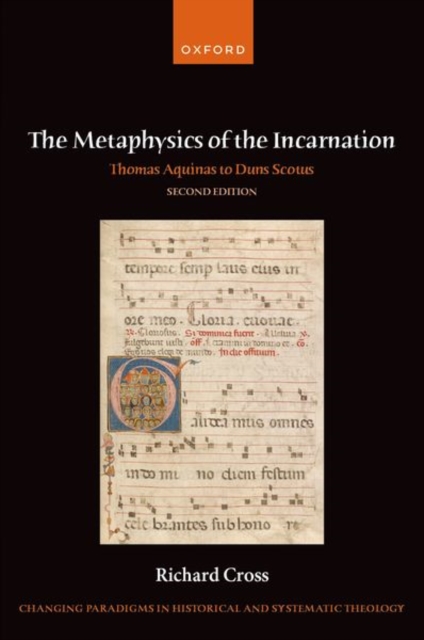
The Metaphysics of the Incarnation
KSh 20,250.00
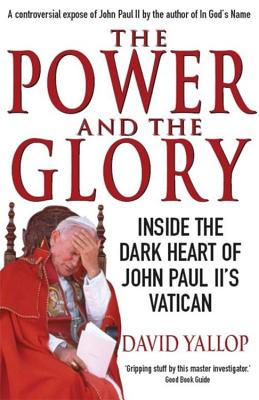
The Power and The Glory
KSh 6,950.00
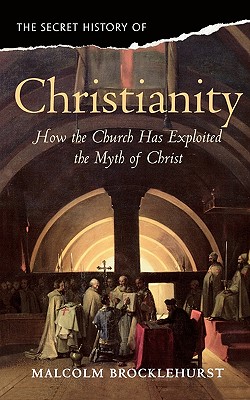
The Secret History of Christianity
KSh 3,250.00

Documents of the English Reformation
KSh 9,450.00

The Jew, the Cathedral and the Medieval City
KSh 7,550.00
The Early Christian Church
KSh 8,200.00
Religion and the Early Modern State
KSh 20,500.00

The Ashgate Research Companion to Byzantine Hagiography
KSh 30,950.00
Edmund Campion
KSh 8,650.00
Movement or Moment?
KSh 9,700.00

