
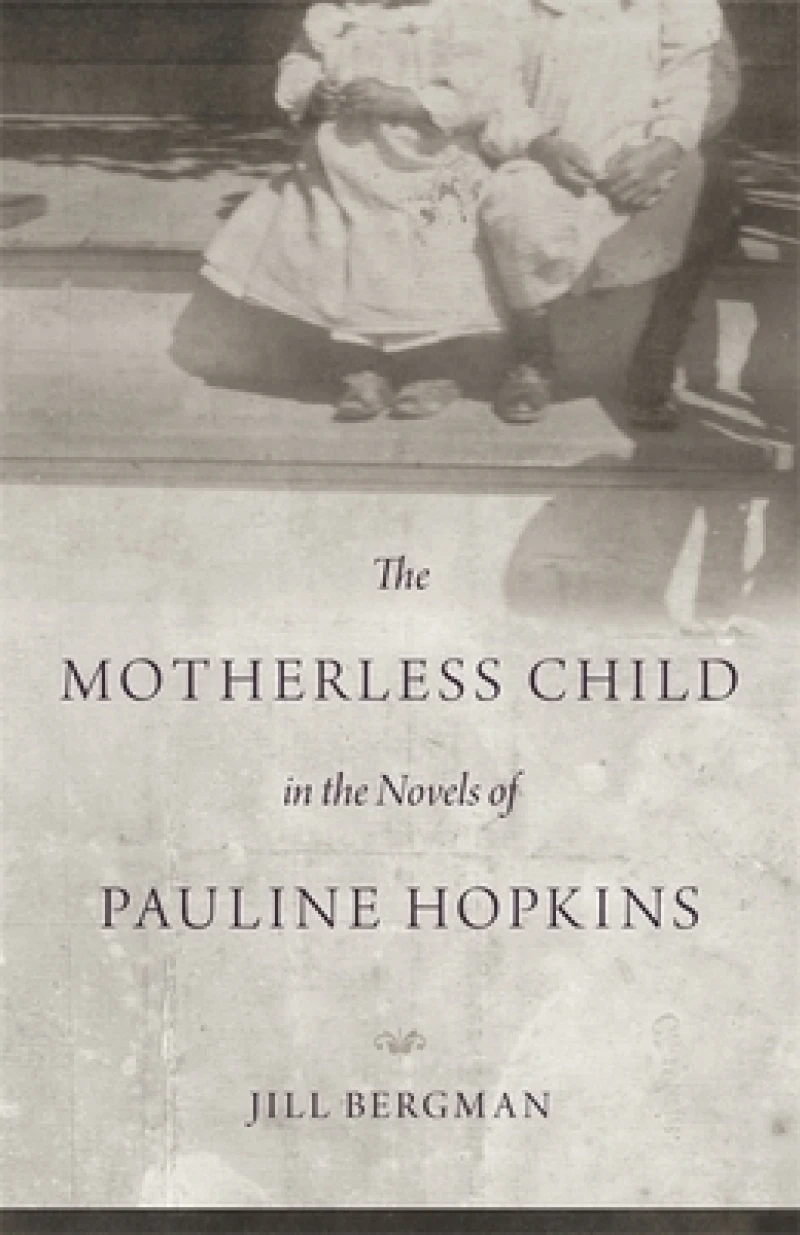
The Motherless Child in the Novels of Pauline Hopkins
by
Jill Bergman
Book Details
Format
Hardback or Cased Book
ISBN-10
080714729X
ISBN-13
9780807147290
Publisher
Louisiana State University Press
Imprint
Louisiana State University Press
Country of Manufacture
US
Country of Publication
GB
Publication Date
Dec 17th, 2012
Print length
224 Pages
Weight
363 grams
Dimensions
21.80 x 14.20 x 2.50 cms
Product Classification:
Literature: history & criticismLiterature: history and criticism
Ksh 5,850.00
Temporarily out of stock, due soon
0 in stock
Delivery Location
Delivery fee: Select location
Secure
Quality
Fast
The first book-length study of Pauline Hopkins’s major fiction, this book offers a sustained analysis of motherlessness in Contending Forces, Hagar’s Daughter, Winona, and Of One Blood.
Well known in her day as a singer, playwright, author, and editor of the Colored American Magazine, Pauline Hopkins (1859--1930) has been the subject of considerable scholarly attention over the last twenty years. Academic review of her many accomplishments, however, largely overlooks Hopkins's contributions as novelist. The Motherless Child in the Novels of Pauline Hopkins, the first book-length study of Hopkins's major fiction, fills this gap, offering a sustained analysis of motherlessness in Contending Forces, Hagar's Daughter, Winona, and Of One Blood.
Motherlessness appears in all of Hopkins's novels. The motif, Jill Bergman asserts, resonated profoundly for African Americans living with the legacy of abduction from a motherland and familial fragmentation under slavery. In her novels, motherlessness serves as a trope for the national alienation of post-Reconstruction African Americans. The longing and search for a maternal figure, then, represents an effort to reconnect with the absent mother -- a missing parent and a lost African history and heritage. In Hopkins's oeuvre, the image of the mother of African heritage -- a source of both identity and persecution -- becomes a source of power and possibility.
Bergman shows how historical events -- such as Bleeding Kansas, the execution of John Brown, and the Middle Passage -- gave rise to a sense of motherlessness and how Hopkins's work engages with that of other contemporaneous race activists. This illuminating study opens new terrain not only in Hopkins scholarship, but also in the complex interchanges between literary, African American, psychoanalytic, feminist, and postcolonial studies.
Motherlessness appears in all of Hopkins's novels. The motif, Jill Bergman asserts, resonated profoundly for African Americans living with the legacy of abduction from a motherland and familial fragmentation under slavery. In her novels, motherlessness serves as a trope for the national alienation of post-Reconstruction African Americans. The longing and search for a maternal figure, then, represents an effort to reconnect with the absent mother -- a missing parent and a lost African history and heritage. In Hopkins's oeuvre, the image of the mother of African heritage -- a source of both identity and persecution -- becomes a source of power and possibility.
Bergman shows how historical events -- such as Bleeding Kansas, the execution of John Brown, and the Middle Passage -- gave rise to a sense of motherlessness and how Hopkins's work engages with that of other contemporaneous race activists. This illuminating study opens new terrain not only in Hopkins scholarship, but also in the complex interchanges between literary, African American, psychoanalytic, feminist, and postcolonial studies.
Get The Motherless Child in the Novels of Pauline Hopkins by at the best price and quality guaranteed only at Werezi Africa's largest book ecommerce store. The book was published by Louisiana State University Press and it has pages.

