
Book Details
Format
Paperback / Softback
ISBN-10
3039107453
ISBN-13
9783039107452
Edition
New
Publisher
Verlag Peter Lang
Imprint
Verlag Peter Lang
Country of Manufacture
CH
Country of Publication
GB
Publication Date
Jul 27th, 2006
Print length
417 Pages
Weight
572 grams
Dimensions
15.10 x 22.50 x 2.40 cms
Ksh 15,150.00
Manufactured on Demand
0 in stock
Delivery Location
Delivery fee: Select location
Secure
Quality
Fast
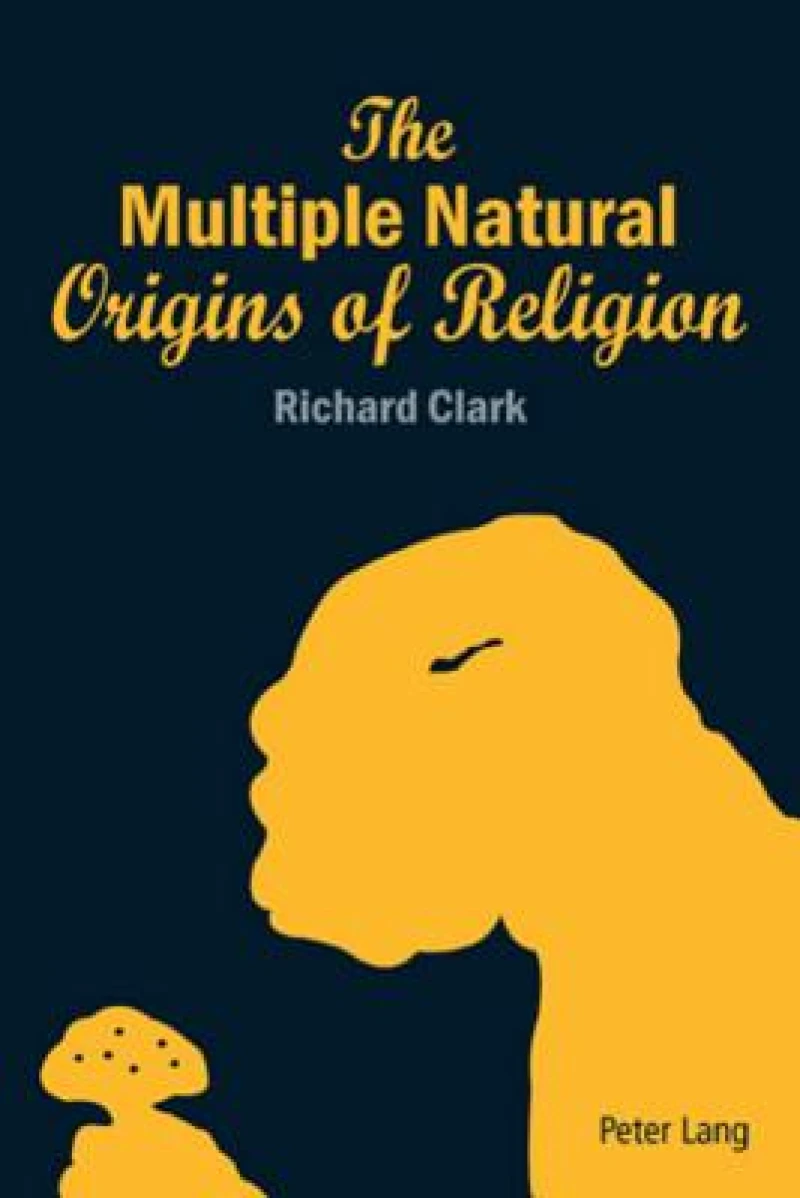
This book traces how religion could have originated in prehistory and antiquity, out of natural human and prehuman behaviour.
Religion is defined here as beliefs, conceptions, practices and roles concerned with the ‘supernatural’. A variety of elements of religion can be identified. These include: spirits, ghosts, life after death, heaven, shamans. To try to reduce religion to a single original element is a mistake. There may be no single origin. But the individual elements have separate origins, and these can be traced.
The common subjective component of religious elements is the numinous, which is commonly ascribed to external sources identified as ‘supernatural’ and ‘spiritual’. The numinous sense is explained by means of certain neural processes with a focus in the temporal lobes.
Probably for the first time, evidence is brought to bear from primatology, palaeoanthropology, ethnography, ancient history and history of religions, as well as theology, neurology and psycho-pharmacology.
The field of origins of religion has been neglected by anthropology since the 1930s, but has enjoyed renewed interest from the 1990s. This wide-ranging interdisciplinary book makes an important contribution to the field.
Religion is defined here as beliefs, conceptions, practices and roles concerned with the ‘supernatural’. A variety of elements of religion can be identified. These include: spirits, ghosts, life after death, heaven, shamans. To try to reduce religion to a single original element is a mistake. There may be no single origin. But the individual elements have separate origins, and these can be traced.
The common subjective component of religious elements is the numinous, which is commonly ascribed to external sources identified as ‘supernatural’ and ‘spiritual’. The numinous sense is explained by means of certain neural processes with a focus in the temporal lobes.
Probably for the first time, evidence is brought to bear from primatology, palaeoanthropology, ethnography, ancient history and history of religions, as well as theology, neurology and psycho-pharmacology.
The field of origins of religion has been neglected by anthropology since the 1930s, but has enjoyed renewed interest from the 1990s. This wide-ranging interdisciplinary book makes an important contribution to the field.
Get The Multiple Natural Origins of Religion by at the best price and quality guaranteed only at Werezi Africa's largest book ecommerce store. The book was published by Verlag Peter Lang and it has pages.

