
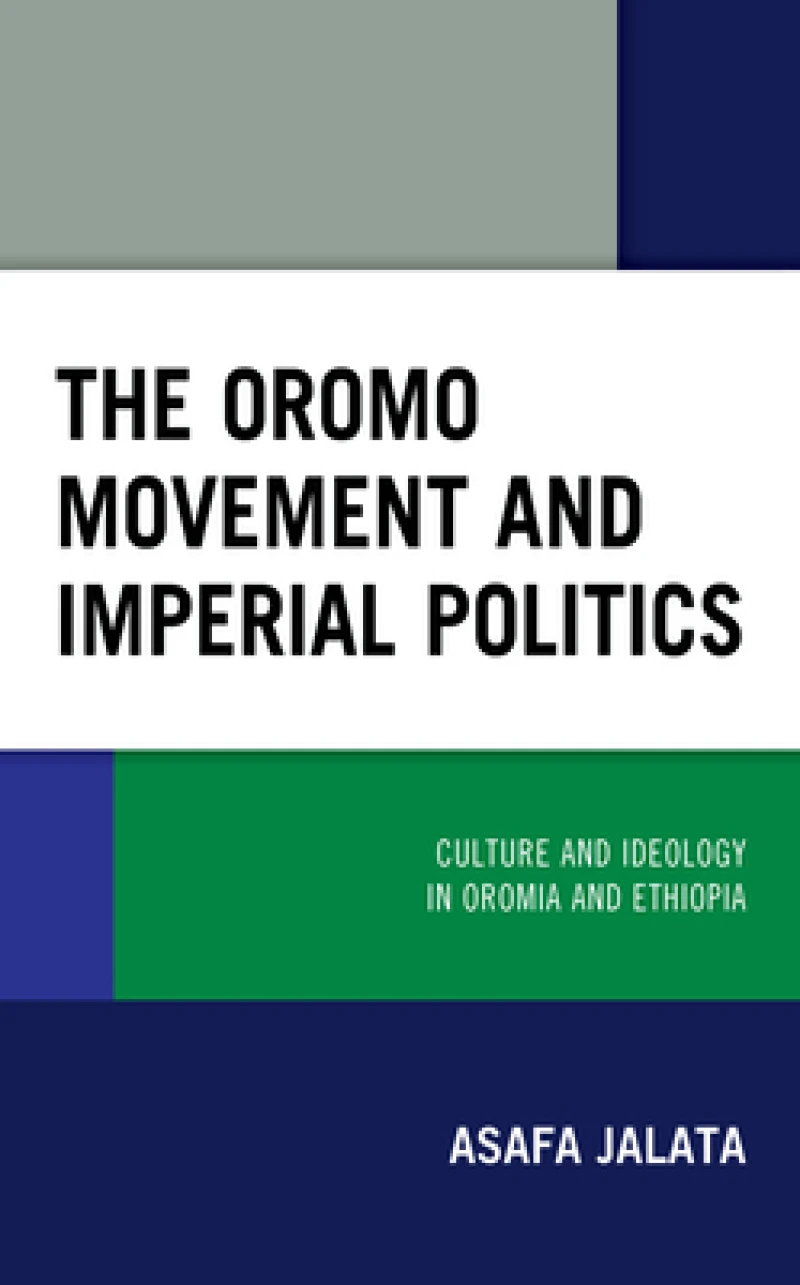
The Oromo Movement and Imperial Politics : Culture and Ideology in Oromia and Ethiopia
by
Asafa Jalata
Book Details
Format
Paperback / Softback
ISBN-10
1793603391
ISBN-13
9781793603395
Publisher
Bloomsbury Publishing Plc
Imprint
Lexington Books
Country of Manufacture
GB
Country of Publication
GB
Publication Date
Mar 11th, 2022
Print length
210 Pages
Weight
313 grams
Dimensions
21.90 x 14.90 x 1.50 cms
Product Classification:
African historyPolitics & government
Ksh 7,200.00
Manufactured on Demand
0 in stock
Delivery Location
Delivery fee: Select location
Secure
Quality
Fast
This book critically examines the dialectical relationship between Ethiopian colonialism, Oromo culture, and the collective grievances of the Oromo nation. It identifies the chains of sociological and historical factors that developed the Oromo national movement and demonstrates how that movement is transforming Ethiopian imperial politics.
Focusing on the issue of the Oromo national struggle for liberation, statehood, and democracy, this book critically examines the dialectical relationship between Ethiopian colonialism and Oromo culture, epistemology, politics, and ideology in the context of the accumulated collective grievances of the Oromo nation. Specifically, the book identifies chains of sociological and historical factors that facilitated the development of Oromummaa (Oromo nationalism) and the Oromo national movement. It demonstrates how the Oromo national movement has been challenging and transforming Ethiopian imperial politics, tracks the different forms and phases of the movement, and maps out its future direction.
Currently, the Oromo are the largest ethno-national group and political minority in the Ethiopian Empire. They were colonized and incorporated into Ethiopia as colonial subjects in the last decades of the 19th century through the alliance of Abyssinian/Ethiopian colonialism and European imperialism. Since their colonization, the Oromo people have been treated as second-class citizens and have been economically exploited and culturally and politically suppressed. Despite the fact that Oromo resistance to Ethiopian colonialism existed during the process of their colonization and subjugation, it was only in the 1960s and 1970s that Oromo nationalists initiated organized efforts to liberate their people. Presently, Oromo nationalism plays a central role in Ethiopian politics.
Currently, the Oromo are the largest ethno-national group and political minority in the Ethiopian Empire. They were colonized and incorporated into Ethiopia as colonial subjects in the last decades of the 19th century through the alliance of Abyssinian/Ethiopian colonialism and European imperialism. Since their colonization, the Oromo people have been treated as second-class citizens and have been economically exploited and culturally and politically suppressed. Despite the fact that Oromo resistance to Ethiopian colonialism existed during the process of their colonization and subjugation, it was only in the 1960s and 1970s that Oromo nationalists initiated organized efforts to liberate their people. Presently, Oromo nationalism plays a central role in Ethiopian politics.
Get The Oromo Movement and Imperial Politics by at the best price and quality guaranteed only at Werezi Africa's largest book ecommerce store. The book was published by Bloomsbury Publishing Plc and it has pages.

