
![The [Other] / [Same Different] Vegetable](https://book-images.us-southeast-1.linodeobjects.com/images/9789819443642.jpg)
The [Other] / [Same Different] Vegetable
Book Details
Delivery Location
Delivery fee: Select location
[Side A] The Other Vegetable
The way fruits and vegetables have been named is much like how people categorise and perceive one another. We take note of places of origin, distinctive appearances and make comparisons with what we know. While we may be more discreet about doing that to people, most don’t think twice about calling a gourd “hairy” or emphasising that a bawang (onion) is from “Bombay”.
Many fruit and vegetable names indicate the outsiders from or through whom they originate, as seen from the speakers of the respective languages. These names also communicate the feelings and ideas that communities have or have had about one another. And since Singaporeans inherited these names from colonisers and ancestors from other lands, some of these perceptions, often biased, are not even our own.
[Side B] The Same Different Vegetable Are “Japanese tomatoes” grown in Thailand still “Japanese”? Is “premium” better than “speciality”? Is a sweet corn labelled “sweet corn” sweeter than a sweet corn simply labelled “corn”? I added vegetable-labelling language to plant taxonomy to critique the scientific and commercial classification systems. Despite how they seem, both create value through distinction and are therefore compatible.
Get The [Other] / [Same Different] Vegetable by Sheere Ng at the best price and quality guaranteed only at Werezi Africa's largest book ecommerce store. The book was published by In Plain Words.
Customers Who Bought This Also Bought

Crime and Punishment
KSh 1,700.00
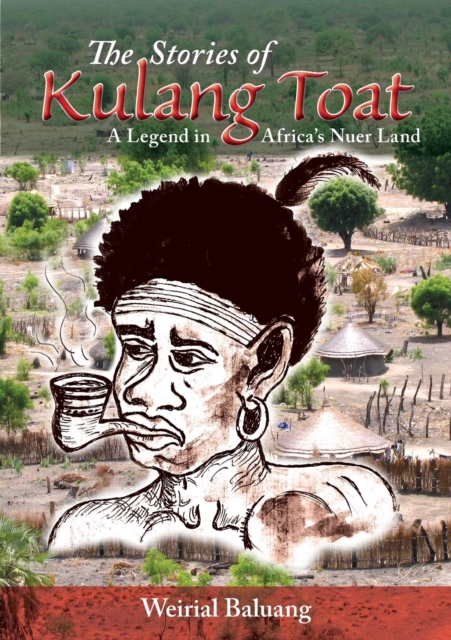
The Stories of Kulang Toat
KSh 3,600.00

Middlemarch
KSh 1,900.00

Tolstoy Together
KSh 2,900.00

Josephus: The Essential Writings
KSh 3,600.00

Animal Farm
KSh 1,450.00

Freedom, Only Freedom
KSh 3,850.00
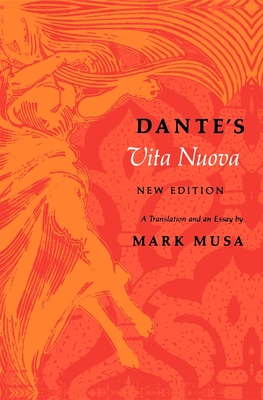
Dante''s Vita Nuova, New Edition
KSh 3,050.00

Frankenstein
KSh 3,050.00

Le Frankenstein du cageot a pommes
KSh 4,700.00

Northanger Abbey – An Annotated Edition
KSh 6,150.00

The African Diaspora’s Cultural Impact
KSh 30,950.00
