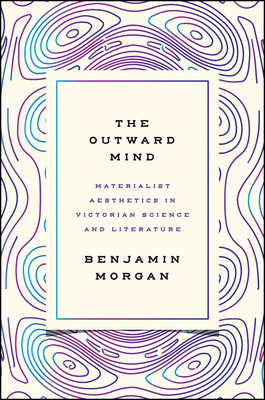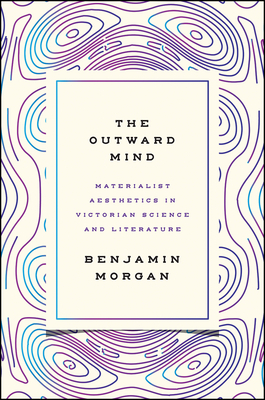
The Outward Mind : Materialist Aesthetics in Victorian Science and Literature
Book Details
Format
Paperback / softback
ISBN-10
022646220X
ISBN-13
9780226462202
Publisher
The University of Chicago Press
Imprint
University of Chicago Press
Country of Manufacture
US
Country of Publication
GB
Publication Date
May 1st, 2017
Print length
368 Pages
Weight
574 grams
Dimensions
22.80 x 16.00 x 1.90 cms
Product Classification:
History of science
KSh 6,000.00
Currently unavailable
0 in stock
Delivery Location
Delivery fee: Select location
Secure
Quality
Fast
Though underexplored in contemporary scholarship, the Victorian attempts to turn aesthetics into a science remains one of the more fascinating aspects of that era. As mind and emotion were increasingly understood in terms of biology, aesthetic experience began to be thought of less as abstract judgment and more as an interaction between the nervous system and the materiality of art. In The Outward Mind, Benjamin Morgan approaches this period of innovation as an important origin point for current attempts to understand art or beauty using the tools of the sciences. Moving chronologically from natural theology in the early nineteenth century to laboratory psychology in the early twentieth, Morgan draws on little-known archives of Victorian intellectuals such as William Morris, Walter Pater, John Ruskin, and others, to argue that scientific studies of mind and emotion transformed the way that nineteenth-century writers and artists understood the experience of beauty and effectively redescribed aesthetic judgment as a biological adaptation. Looking beyond the Victorian period to humanistic critical theory today, he also shows how the historical relationship between science and aesthetics could be a vital resource for rethinking aspects of contemporary literary and cultural criticism such as materialism, empathy, practice, and form. At a moment when the tumultuous relationship between the sciences and the humanities is the subject of ongoing debate, Morgan argues for the importance of understanding the arts and sciences as being incontrovertibly intertwined.
Get The Outward Mind by Benjamin Morgan at the best price and quality guaranteed only at Werezi Africa's largest book ecommerce store. The book was published by The University of Chicago Press and it has 368 pages.
Customers Who Bought This Also Bought

Anaximander
KSh 2,000.00

When Breath Becomes Air
KSh 1,800.00
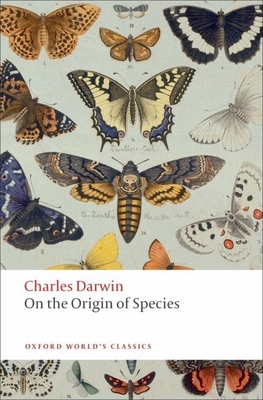
On the Origin of Species
KSh 1,600.00

Origin of Species
KSh 1,850.00
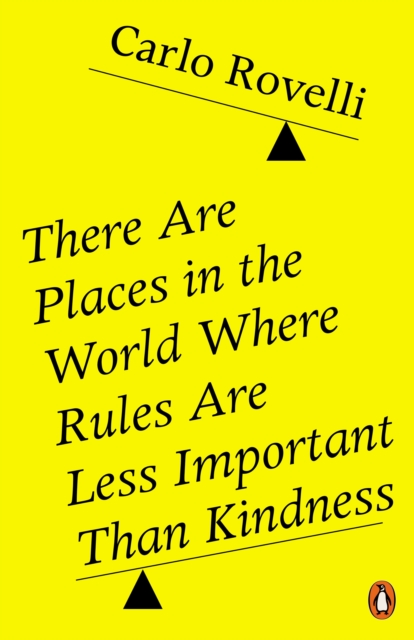
There Are Places in the World Where Rules Are Less Important Than Kindness
KSh 2,350.00
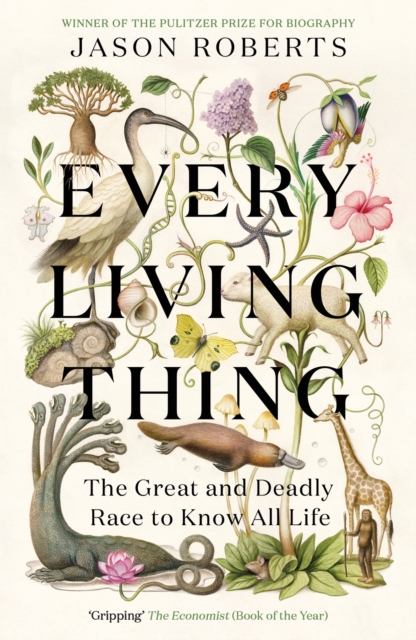
Every Living Thing
KSh 2,350.00

Everything Is Tuberculosis
KSh 3,950.00
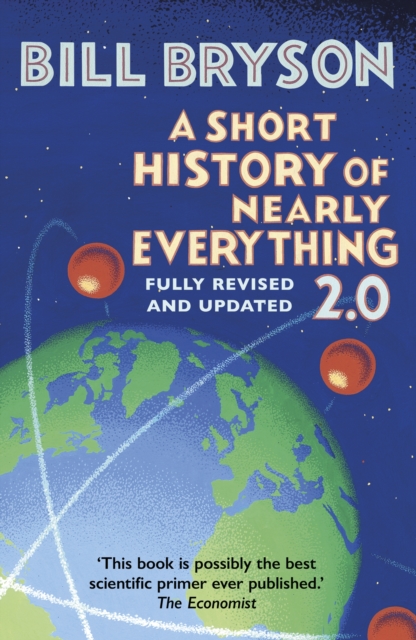
Short History of Nearly Everything 2.0
KSh 3,550.00

Short History of Nearly Everything
KSh 2,350.00

Classics Origin of Species
KSh 1,100.00

Essential Galileo
KSh 2,900.00
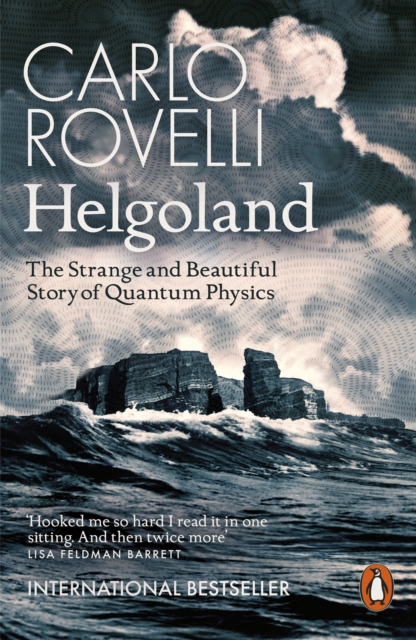
Helgoland
KSh 2,350.00