
Book Details
Format
Paperback / Softback
ISBN-10
0807857556
ISBN-13
9780807857557
Edition
New
Publisher
The University of North Carolina Press
Imprint
The University of North Carolina Press
Country of Manufacture
US
Country of Publication
GB
Publication Date
Feb 1st, 2012
Print length
312 Pages
Weight
478 grams
Dimensions
23.10 x 15.40 x 2.20 cms
Ksh 7,200.00
Werezi Extended Catalogue
0 in stock
Delivery Location
Delivery fee: Select location
Secure
Quality
Fast
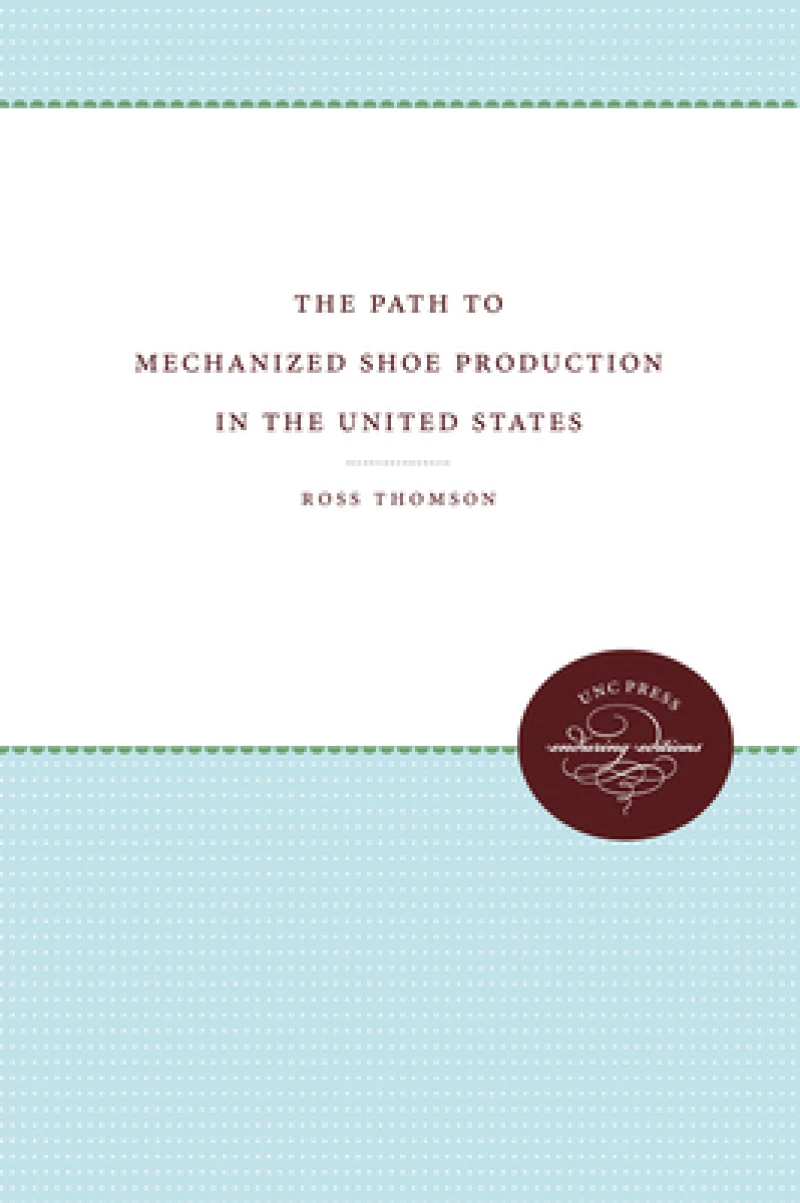
In 1800, shoes in the United States were made by craftsmen, each trained to create an entire shoe. A century later, shoes were mass-produced in factories employing dozens of machines and specialized workers. Ross Tomson describes this transition from craft to mechanized production in one of the largest American industries of the nineteenth century.
Early shoe machinery originated through innovations made by shoemakers, tailors, and especially machinists. It contined to evolve through a process of ""learning by selling,"" in which sales of one generation of machines led to technological learning and ongoing invention by those who used, serviced, and sold them. As a result of this process, the mechanization of the shoe industry and the manufacturers of the machinery it used -- including such firms as Singer and United Shoe Machinery -- evolved together.
In researching the process of industrialization, Thomson examined nearly 8,000 patents. Comparing the patent information with directories for more than eighty American cities, he was able to find out who the inventors were, who employed them, how many patents they held, and the extend to which their inventions were used.
A UNC Press Enduring Edition -- UNC Press Enduring Editions use the latest in digital technology to make available again books from our distinguished backlist that were previously out of print. These editions are published unaltered from the original, and are presented in affordable paperback formats, bringing readers both historical and cultural value.
Early shoe machinery originated through innovations made by shoemakers, tailors, and especially machinists. It contined to evolve through a process of ""learning by selling,"" in which sales of one generation of machines led to technological learning and ongoing invention by those who used, serviced, and sold them. As a result of this process, the mechanization of the shoe industry and the manufacturers of the machinery it used -- including such firms as Singer and United Shoe Machinery -- evolved together.
In researching the process of industrialization, Thomson examined nearly 8,000 patents. Comparing the patent information with directories for more than eighty American cities, he was able to find out who the inventors were, who employed them, how many patents they held, and the extend to which their inventions were used.
A UNC Press Enduring Edition -- UNC Press Enduring Editions use the latest in digital technology to make available again books from our distinguished backlist that were previously out of print. These editions are published unaltered from the original, and are presented in affordable paperback formats, bringing readers both historical and cultural value.
Get The Path to Mechanized Shoe Production in the United States by at the best price and quality guaranteed only at Werezi Africa's largest book ecommerce store. The book was published by The University of North Carolina Press and it has pages.

