
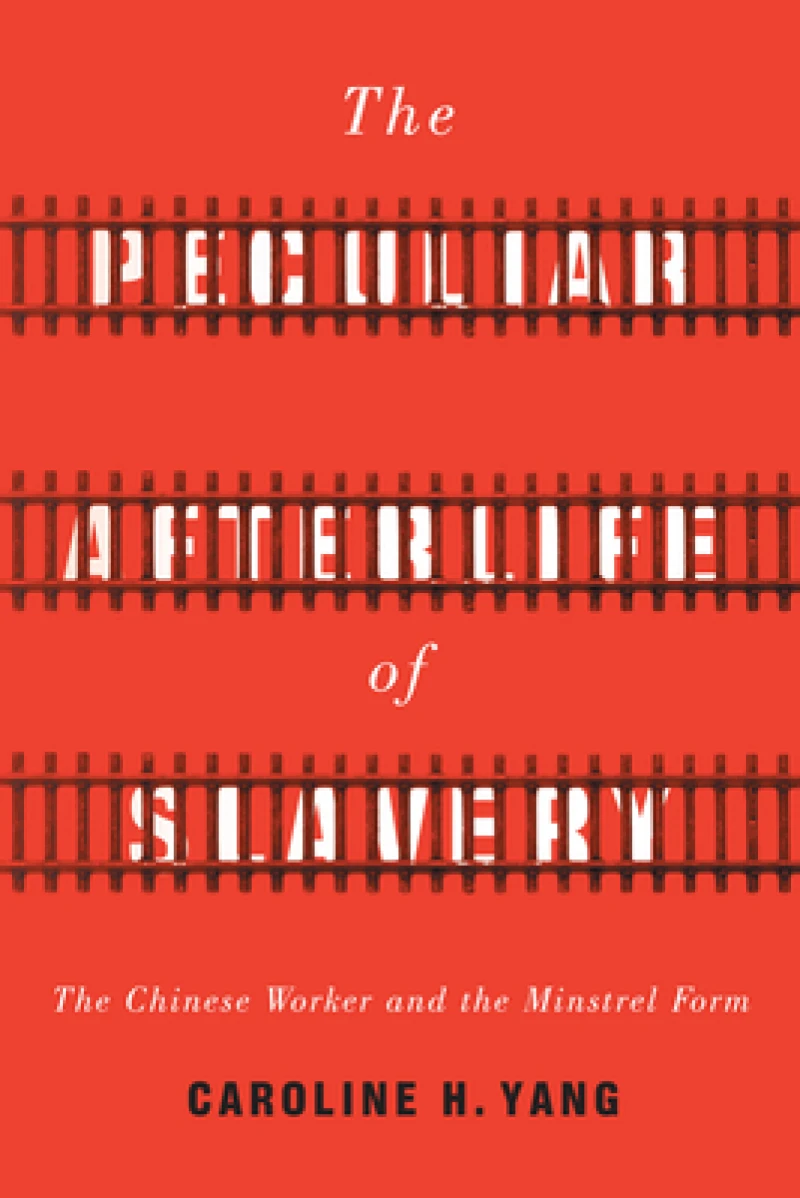
The Peculiar Afterlife of Slavery : The Chinese Worker and the Minstrel Form
New
Book Details
Format
Paperback / Softback
Book Series
Asian America
ISBN-10
1503612058
ISBN-13
9781503612051
Edition
New
Publisher
Stanford University Press
Imprint
Stanford University Press
Country of Manufacture
US
Country of Publication
GB
Publication Date
Apr 14th, 2020
Print length
277 Pages
Weight
456 grams
Dimensions
15.10 x 22.90 x 2.20 cms
Product Classification:
Literary studies: c 1800 to c 1900 History of the AmericasSocial & cultural historyEthnic studies
Ksh 4,150.00
Werezi Extended Catalogue
0 in stock
Delivery Location
Delivery fee: Select location
Secure
Quality
Fast
The Peculiar Afterlife of Slavery explores how antiblack racism lived on through the figure of the Chinese worker in US literature after emancipation. Drawing out the connections between this liminal figure and the formal aesthetics of blackface minstrelsy in literature of the Reconstruction and post-Reconstruction eras, Caroline H. Yang reveals the ways antiblackness structured US cultural production during a crucial moment of reconstructing and re-narrating US empire after the Civil War. Examining texts by major American writers in the late nineteenth and early twentieth centuries—including Harriet Beecher Stowe, Bret Harte, Mark Twain, Ambrose Bierce, Sui Sin Far, and Charles Chesnutt—Yang traces the intertwined histories of blackface minstrelsy and Chinese labor. Her bold rereading of these authors' contradictory positions on race and labor sees the figure of the Chinese worker as both hiding and making visible the legacy of slavery and antiblackness. Ultimately, The Peculiar Afterlife of Slavery shows how the Chinese worker manifests the inextricable links between US literature, slavery, and empire, as well as the indispensable role of antiblackness as a cultural form in the United States.
Get The Peculiar Afterlife of Slavery by at the best price and quality guaranteed only at Werezi Africa's largest book ecommerce store. The book was published by Stanford University Press and it has pages.

