
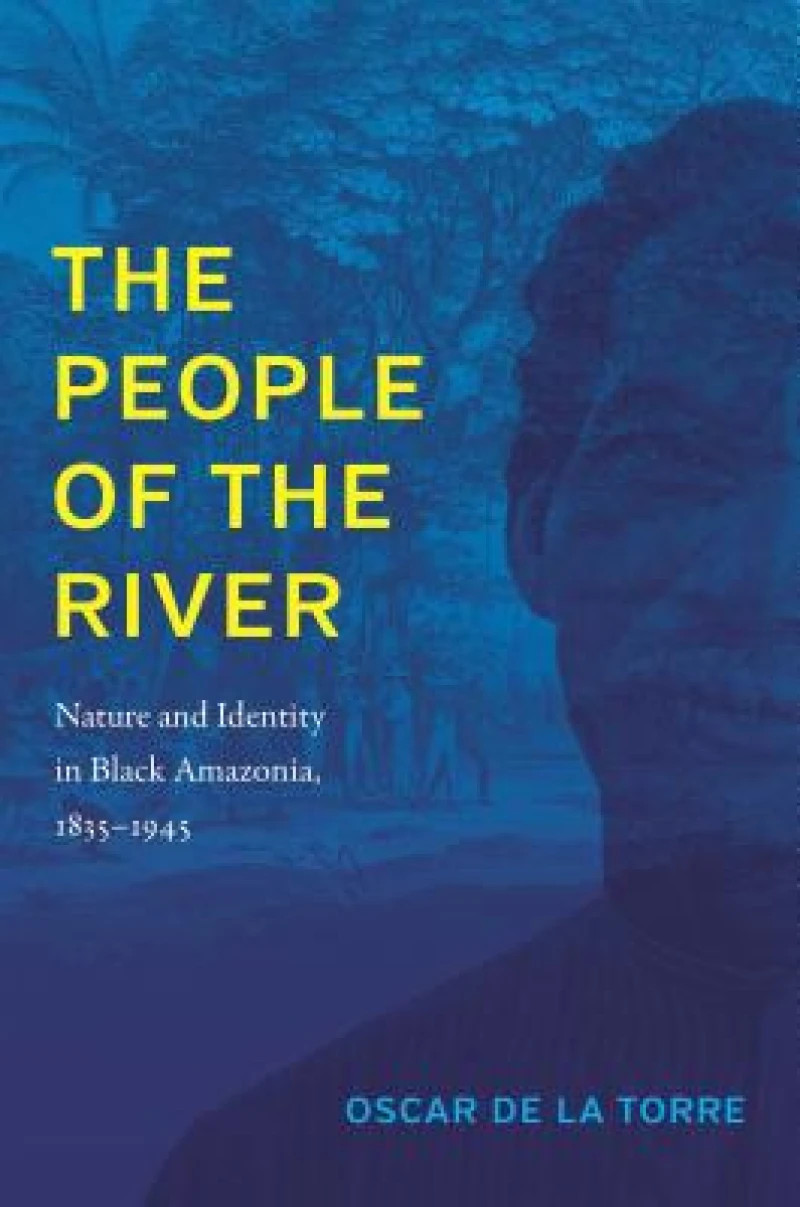
The People of the River : Nature and Identity in Black Amazonia, 1835–1945
Book Details
Format
Hardback or Cased Book
ISBN-10
1469643235
ISBN-13
9781469643236
Publisher
The University of North Carolina Press
Imprint
The University of North Carolina Press
Country of Manufacture
US
Country of Publication
GB
Publication Date
Oct 15th, 2018
Print length
240 Pages
Weight
548 grams
Dimensions
23.30 x 15.50 x 1.70 cms
Ksh 15,100.00
Werezi Extended Catalogue
0 in stock
Delivery Location
Delivery fee: Select location
Secure
Quality
Fast
In this history of the black peasants of Amazonia, Oscar de la Torre focuses on the experience of African-descended people navigating the transition from slavery to freedom. Drawing on social and environmental history, he connects the Amazonians intimately to their natural landscapes.
In this history of the black peasants of Amazonia, Oscar de la Torre focuses on the experience of African-descended people navigating the transition from slavery to freedom. Drawing on social and environmental history, he connects the Amazonians intimately to their natural landscapes. Relying on the natural world as a repository for traditions, discourses, and strategies that they retrieved especially in moments of conflict, Afro-Brazilians fought for autonomous communities and developed a vibrant ethnic identity that supported their struggles over labor, land, and citizenship.
Prior to abolition, enslaved and escaped blacks found in the tropical forest a source for tools, weapons, and trade—but it was also a cultural storehouse within which they shaped their stories and records of confrontations with slaveowners and state authorities. After abolition, the black peasants'' knowledge of local environments continued to be key to their aspirations, allowing them to maintain relationships with powerful patrons and to participate in the protest cycle that led Getulio Vargas to the presidency of Brazil in 1930. In commonly referring to themselves by such names as ""sons of the river,"" black Amazonians melded their agro-ecological traditions with their emergent identity as political stakeholders.
Prior to abolition, enslaved and escaped blacks found in the tropical forest a source for tools, weapons, and trade—but it was also a cultural storehouse within which they shaped their stories and records of confrontations with slaveowners and state authorities. After abolition, the black peasants'' knowledge of local environments continued to be key to their aspirations, allowing them to maintain relationships with powerful patrons and to participate in the protest cycle that led Getulio Vargas to the presidency of Brazil in 1930. In commonly referring to themselves by such names as ""sons of the river,"" black Amazonians melded their agro-ecological traditions with their emergent identity as political stakeholders.
Get The People of the River by at the best price and quality guaranteed only at Werezi Africa's largest book ecommerce store. The book was published by The University of North Carolina Press and it has pages.

