
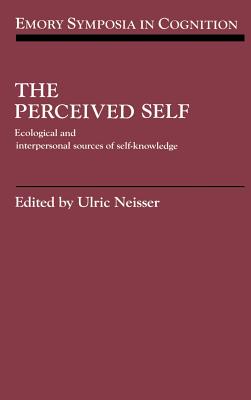
The Perceived Self : Ecological and Interpersonal Sources of Self Knowledge
Book Details
Format
Hardback
Book Series
Emory Symposia in Cognition
ISBN-10
0521415098
ISBN-13
9780521415095
Publisher
Cambridge University Press
Imprint
Cambridge University Press
Country of Manufacture
GB
Country of Publication
GB
Publication Date
May 27th, 1994
Print length
336 Pages
Weight
630 grams
Dimensions
22.80 x 15.90 x 2.40 cms
KSh 22,700.00
Currently unavailable
0 in stock
Delivery Location
Delivery fee: Select location
Secure
Quality
Fast
This book brings different ideas to bear on the classical psychological problem of the self. A distinguished interdisciplinary group of contributors explores Ulric Neisser's hypothesis that each of us has an 'ecological self' based on our immediate situation in the environment and an 'interpersonal self' established through social interaction.
This book brings different ideas to bear on the classical problem of the self. Self-perception, both ecological and social, is the earliest and most fundamental form of self-knowledge. In his introduction, Ulric Neisser describes the 'ecological self' as based on direct and realistic perception of one's situation in the environment; the 'interpersonal self' as established by social interaction with other people. He argues that both of these 'selves' appear in early infancy, long before anything like a self-concept or a self-narrative is possible. In subsequent chapters, fifteen contributors - psychologists, philosophers and others - elaborate on these notions and introduce related ideas of their own. Their topics range from the perceptual and social development of infants to autism and blindness; from mechanisms of motor control to dance and non-verbal communication. The combined contributions of these leading individuals creates an unusual synthesis of perceptual, social and developmental theory.
Get The Perceived Self by Ulric Neisser at the best price and quality guaranteed only at Werezi Africa's largest book ecommerce store. The book was published by Cambridge University Press and it has 336 pages.
Customers Who Bought This Also Bought

The Culture Map
KSh 3,050.00

Abundance
KSh 2,150.00

Think Again
KSh 2,000.00

Amusing Ourselves to Death
KSh 2,000.00

The Sane Society
KSh 3,500.00

Abundance
KSh 3,050.00
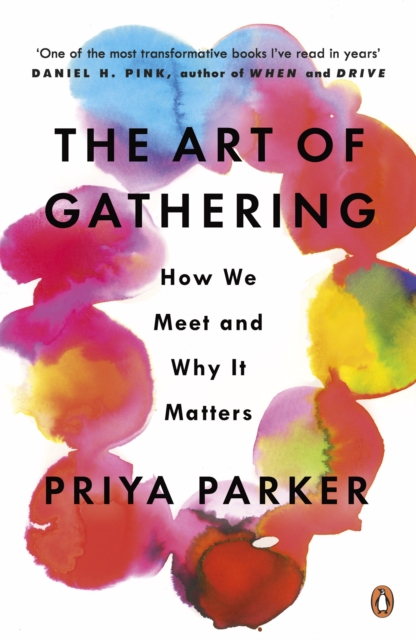
Art of Gathering
KSh 2,150.00

The Anxious Generation
KSh 2,000.00
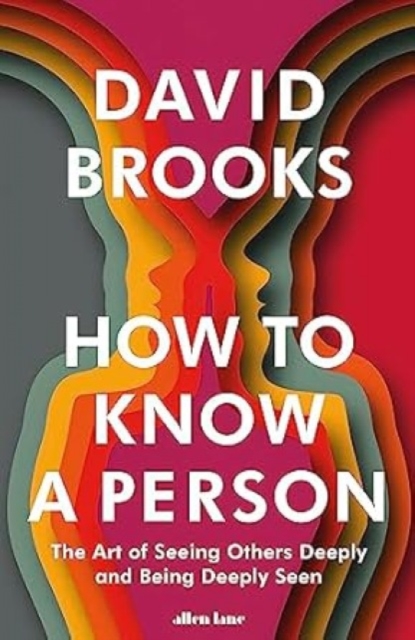
How To Know a Person
KSh 2,350.00

Righteous Mind
KSh 2,700.00
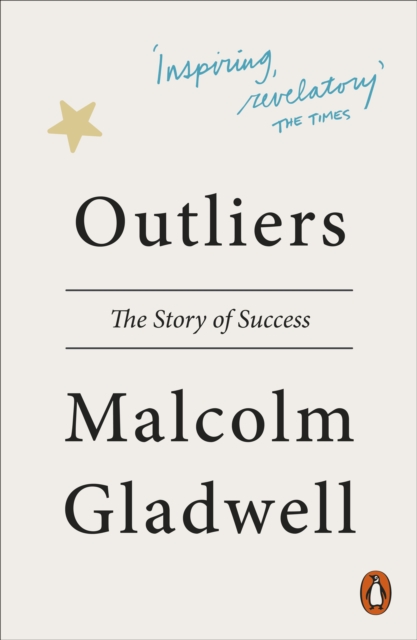
Outliers
KSh 1,250.00

Persuaders
KSh 3,600.00
