
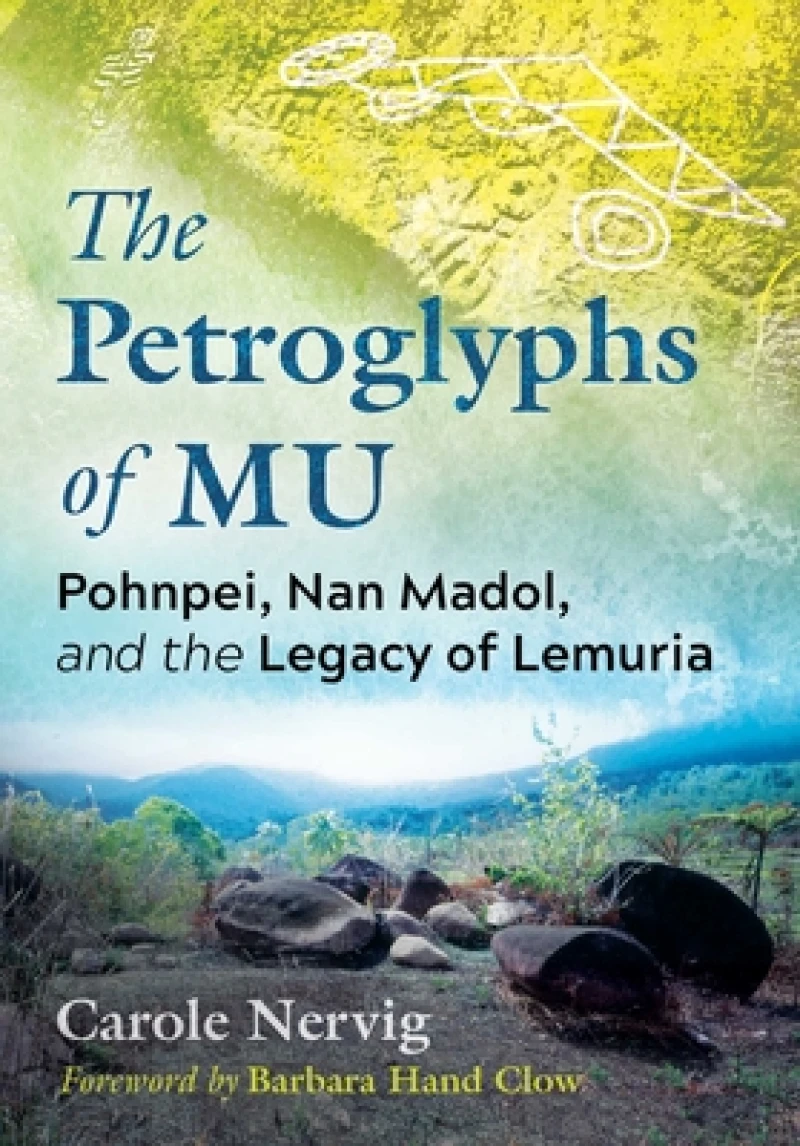
The Petroglyphs of Mu : Pohnpei, Nan Madol, and the Legacy of Lemuria
Book Details
Format
Paperback / Softback
ISBN-10
1591434475
ISBN-13
9781591434474
Publisher
Inner Traditions Bear and Company
Imprint
Bear & Company
Country of Manufacture
GB
Country of Publication
GB
Publication Date
Sep 15th, 2022
Print length
368 Pages
Weight
602 grams
Dimensions
15.20 x 22.70 x 3.30 cms
Product Classification:
Ancient history: to c 500 CEArchaeologyPopular beliefs & controversial knowledge
Ksh 3,600.00
Werezi Extended Catalogue
Delivery in 14 days
2 copies in stock
Delivery Location
Delivery fee: Select location
Delivery in 14 days
Secure
Quality
Fast
In this fully illustrated exploration, Nervig reveals how the archetypal symbols of the Pohnpaid petroglyphs have exact counterparts in other ancient cultures throughout the world.
• Shows how the archetypal symbols of the Pohnpaid petroglyphs have exact counterparts in other ancient cultures throughout the world
• Provides evidence that Pohnpaid is closely related to--yet predates--neighboring Nan Madol
• Includes hundreds of Pohnpaid petroglyphs and stone circle photos, many never before seen
While residing on the small Pacific island of Pohnpei in the 1990s, Carole Nervig discovered that a recent brush fire had exposed hundreds of previously unknown petroglyphs carved on gigantic boulders. This portion of the megalithic site called Pohnpaid was unknown even to Pohnpei’s state historic preservation officer. The petroglyphs were unlike others from Oceania, so Nervig began investigating and comparing them with petroglyphs and symbols from around the world.
In this fully illustrated exploration, Nervig documents her discoveries on Pohnpei, revealing how the archetypal symbols of the Pohnpaid petroglyphs have exact counterparts in other ancient cultures and universal motifs throughout the world, including the Australian Aborigines, the Inca in Peru, the Vedic civilization of India, early Norse runes, and Japanese symbols. She provides evidence that Pohnpaid is closely related to--yet predates--neighboring Nan Madol and shows how Pohnpaid was an outpost of the sunken Kahnihmueiso, a city of the now-vanished civilization of Mu, or Lemuria.
Discussing the archaeoastronomical function of the Pohnpaid stones, the author examines how many of the glyphs symbolize celestial phenomena and clearly reveal how their creators were sky watchers with a sophisticated understanding of astronomy, geophysics, geomancy, and engineering. She shows how the scientific concepts depicted in the petroglyphs reveal how the citizens of Mu had a much deeper understanding of the living Earth than we do, which gave them the ability to manipulate natural forces both physically and energetically. Combining archaeological evidence with traditional oral accounts, Nervig reveals Pohnpaid not only as a part of a geodetic network of ancient sacred sites and portals but also as a remnant of the now submerged but once enlightened Motherland of Mu.
• Provides evidence that Pohnpaid is closely related to--yet predates--neighboring Nan Madol
• Includes hundreds of Pohnpaid petroglyphs and stone circle photos, many never before seen
While residing on the small Pacific island of Pohnpei in the 1990s, Carole Nervig discovered that a recent brush fire had exposed hundreds of previously unknown petroglyphs carved on gigantic boulders. This portion of the megalithic site called Pohnpaid was unknown even to Pohnpei’s state historic preservation officer. The petroglyphs were unlike others from Oceania, so Nervig began investigating and comparing them with petroglyphs and symbols from around the world.
In this fully illustrated exploration, Nervig documents her discoveries on Pohnpei, revealing how the archetypal symbols of the Pohnpaid petroglyphs have exact counterparts in other ancient cultures and universal motifs throughout the world, including the Australian Aborigines, the Inca in Peru, the Vedic civilization of India, early Norse runes, and Japanese symbols. She provides evidence that Pohnpaid is closely related to--yet predates--neighboring Nan Madol and shows how Pohnpaid was an outpost of the sunken Kahnihmueiso, a city of the now-vanished civilization of Mu, or Lemuria.
Discussing the archaeoastronomical function of the Pohnpaid stones, the author examines how many of the glyphs symbolize celestial phenomena and clearly reveal how their creators were sky watchers with a sophisticated understanding of astronomy, geophysics, geomancy, and engineering. She shows how the scientific concepts depicted in the petroglyphs reveal how the citizens of Mu had a much deeper understanding of the living Earth than we do, which gave them the ability to manipulate natural forces both physically and energetically. Combining archaeological evidence with traditional oral accounts, Nervig reveals Pohnpaid not only as a part of a geodetic network of ancient sacred sites and portals but also as a remnant of the now submerged but once enlightened Motherland of Mu.
Get The Petroglyphs of Mu by at the best price and quality guaranteed only at Werezi Africa's largest book ecommerce store. The book was published by Inner Traditions Bear and Company and it has pages.

