The Petrol Navy : British, American and Other Naval Motor Boats at War 1914 - 1920
by
Steve Dunn
Book Details
Format
Hardback
ISBN-10
1399062859
ISBN-13
9781399062855
Publisher
Pen & Sword Books Ltd
Imprint
Seaforth Publishing
Country of Manufacture
GB
Country of Publication
GB
Publication Date
May 3rd, 2023
Print length
320 Pages
Weight
850 grams
Dimensions
16.50 x 24.30 x 3.10 cms
Product Classification:
Ships & boats: general interestShips and boats: general interest
KSh 4,500.00
Temporarily out of stock, due soon
0 in stock
Delivery Location
Delivery fee: Select location
Secure
Quality
Fast
The first complete account to be written of the operations of naval motor boats in WWI. Copiously illustrated throughout with photos and line drawings. A compelling and exciting narrative.
On the outbreak of war in 1914, the Royal Navy found it required more small craft than it possessed to carry out minesweeping, anti-submarine patrols and coastal defence. This led to the formation of an auxiliary force of civilian vessels, including motor pleasure boats and yachts, relatively new types of craft powered by the internal combustion engine. The inclusion of these vessels came about when a group of motor boat owners suggested to the Admiralty that their vessels could play an important role in the defence of Britain. The result was the formation of the Royal Naval Motor Boat Reserve (RNMBR) in 1912. By mid-1915, the demands of naval duty had proved too much for these quirky craft. A meeting in the USA led to their replacement by American-designed Elco motor launches (MLs), of which 550 were purchased, and these Elco launches gave great service for the rest of the war, usually officered by RNVR personnel who won three Victoria Crosses. In addition to the Elcos, in 1915 some naval officers developed the hydroplaning coastal motor boats (CMBs), which served with equal distinction in the latter part of the war. Post-war, both types saw valuable service in the occupation of the Rhineland and in the Baltic campaign, where three more VCs were won. Other countries adopted similar craft. In Italy, the MAS torpedo motor craft achieved fame and success. And in France, MLs supplied by Britain, and by Elco, played their part. Germany too utilised small motor vessels, including the torpedo-armed Luftschiffmotorboote and Fernlenkboot remotely controlled designs. And when America entered the war, she built a fleet of so-called 'sub chasers', wooden-built and designed to counter U-boats along her East Coast. The Petrol Navy tells the stirring story of these motor-driven boats at war, of their development and operations and of the many colourful characters who were their captains and crew. It will acquaint historians and enthusiasts with an important and previously untold aspect of the naval war, and will engross those with a more general interest in the First World War.
Get The Petrol Navy by Steve Dunn at the best price and quality guaranteed only at Werezi Africa's largest book ecommerce store. The book was published by Pen & Sword Books Ltd and it has 320 pages.
Customers Who Bought This Also Bought

Maurice and Maralyn
KSh 2,000.00

Pennine Pioneer
KSh 3,050.00
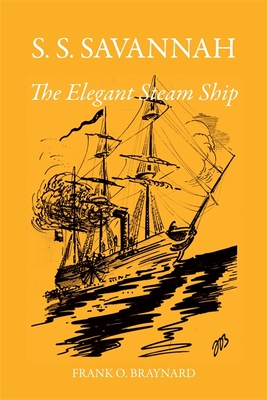
S. S. Savannah, the Elegant Steam Ship
KSh 6,000.00
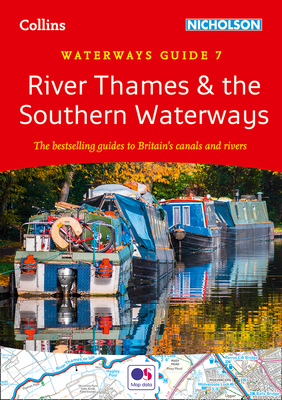
River Thames &
KSh 3,050.00

Forgotten Ships
KSh 3,600.00
The Oxford Companion to Ships and the Sea
KSh 9,700.00

USS Moray (Ss-300)
KSh 2,800.00
A Rare Titanic Family – The Caldwells` Story of Survival
KSh 3,400.00

Hinckley Yachts
KSh 8,600.00

The Sextant Handbook
KSh 3,250.00
Hardluck Ironclad
KSh 6,400.00

Noble Boatbuilders of Fraserburgh
KSh 3,600.00