
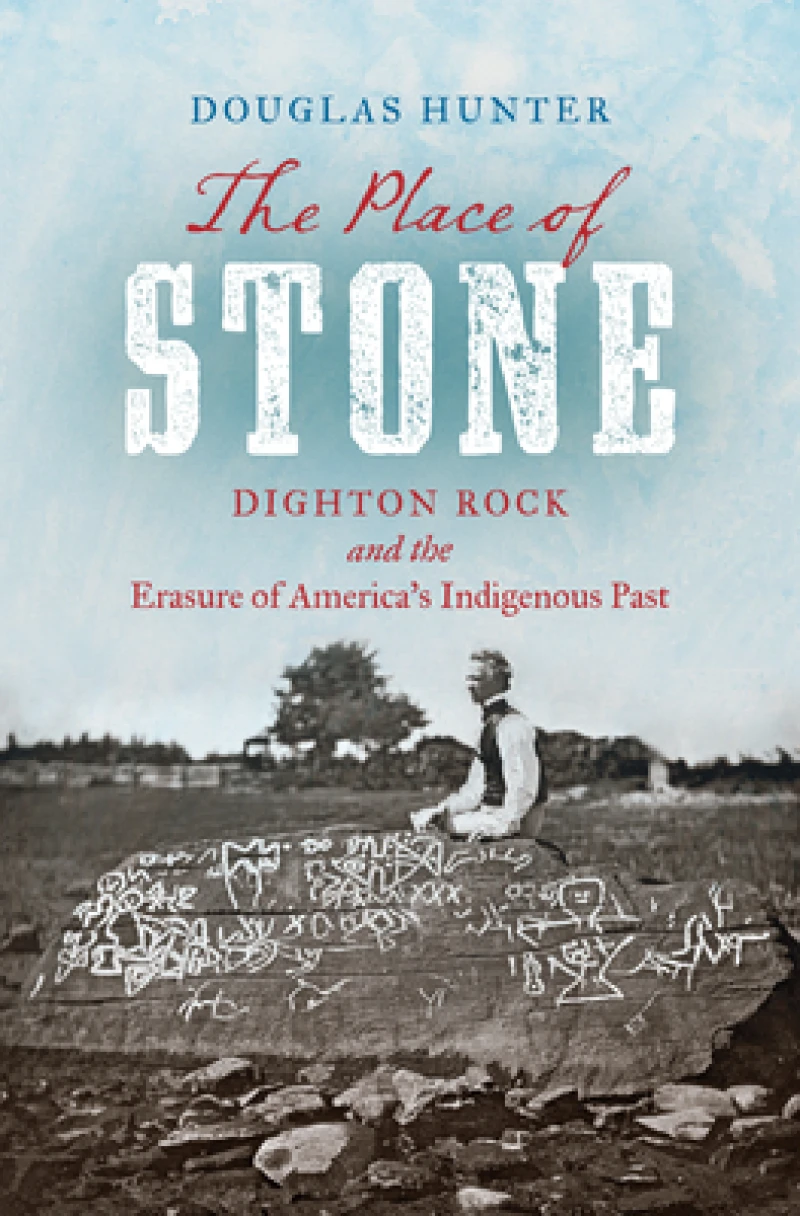
The Place of Stone : Dighton Rock and the Erasure of America's Indigenous Past
Book Details
Format
Paperback / Softback
ISBN-10
1469668734
ISBN-13
9781469668734
Publisher
The University of North Carolina Press
Imprint
The University of North Carolina Press
Country of Manufacture
GB
Country of Publication
GB
Publication Date
Nov 2nd, 2021
Print length
344 Pages
Weight
504 grams
Dimensions
15.70 x 23.30 x 2.50 cms
Ksh 5,600.00
Werezi Extended Catalogue
0 in stock
Delivery Location
Delivery fee: Select location
Secure
Quality
Fast
In this fascinating story rich in personalities and memorable characters, Douglas Hunter uses Dighton Rock to reveal the long, complex history of colonization, American archaeology, and the conceptualization of Indigenous people.
Claimed by many to be the most frequently documented artifact in American archeology, Dighton Rock is a forty-ton boulder covered in petroglyphs in southern Massachusetts. First noted by New England colonists in 1680, the rock's markings have been debated endlessly by scholars and everyday people alike on both sides of the Atlantic. The glyphs have been erroneously assigned to an array of non-Indigenous cultures: Norsemen, Egyptians, Lost Tribes of Israel, vanished Portuguese explorers, and even a prince from Atlantis.
In this fascinating story rich in personalities and memorable characters, Douglas Hunter uses Dighton Rock to reveal the long, complex history of colonization, American archaeology, and the conceptualization of Indigenous people. Hunter argues that misinterpretations of the rock's markings share common motivations and have erased Indigenous people not only from their own history but from the landscape. He shows how Dighton Rock for centuries drove ideas about the original peopling of the Americas, including Bering Strait migration scenarios and the identity of the "Mound Builders." He argues the debates over Dighton Rock have served to answer two questions: Who belongs in America, and to whom does America belong?
In this fascinating story rich in personalities and memorable characters, Douglas Hunter uses Dighton Rock to reveal the long, complex history of colonization, American archaeology, and the conceptualization of Indigenous people. Hunter argues that misinterpretations of the rock's markings share common motivations and have erased Indigenous people not only from their own history but from the landscape. He shows how Dighton Rock for centuries drove ideas about the original peopling of the Americas, including Bering Strait migration scenarios and the identity of the "Mound Builders." He argues the debates over Dighton Rock have served to answer two questions: Who belongs in America, and to whom does America belong?
Get The Place of Stone by at the best price and quality guaranteed only at Werezi Africa's largest book ecommerce store. The book was published by The University of North Carolina Press and it has pages.

