
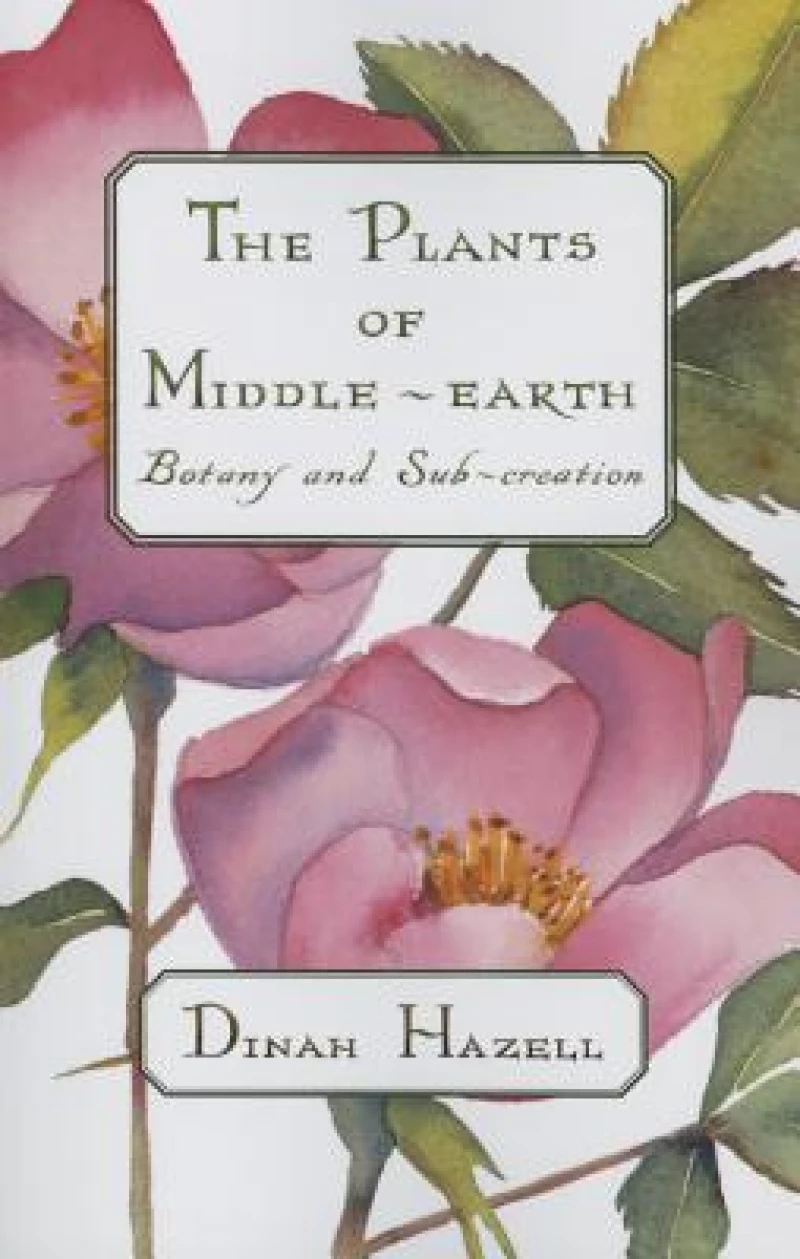
The Plants of Middle-earth : Botany and Sub-creation
by
Dinah Hazell
Book Details
Format
Paperback / Softback
ISBN-10
1606352652
ISBN-13
9781606352656
Publisher
Kent State University Press
Imprint
Kent State University Press
Country of Manufacture
US
Country of Publication
GB
Publication Date
Apr 1st, 2015
Print length
136 Pages
Weight
228 grams
Dimensions
23.00 x 15.30 x 1.00 cms
Product Classification:
Literary studies: c 1900 to c 2000Literary studies: from c 1900 -Fantasy
Ksh 3,150.00
Temporarily out of stock, due soon
0 in stock
Delivery Location
Delivery fee: Select location
Secure
Quality
Fast
Beautifully illustrated with dozens of original full-colour and black-and-white drawings, The Plants of Middle-earth connects readers visually to the world of Middle-earth, its cultures and characters and the scenes of their adventures. This botanical tour through Middle-earth increases appreciation of Tolkien’s contribution as preserver and transmitter of English cultural expression.
A new path for exploring the culture and values of Tolkien’s Middle-earth.
“Rather than inventing an alien world into which human and familiar characters are introduced, as in science fiction, Tolkien created a natural environment that is also home to ‘supernatural’ beings and elements, as in medieval works like Beowulf. The Shire is always the touchstone to which the hobbits return mentally and against which they (and we) measure the rest of Middle-earth. By creating a sense of familiarity and belonging early and then in each of the cultures encountered, we can meet ‘others’ without feeling estranged.” —from the Introduction
Beautifully illustrated with dozens of original full-color and black-and-white drawings, The Plants of Middle-earth connects readers visually to the world of Middle-earth, its cultures and characters and the scenes of their adventures. Tolkien’s use of flowers, herbs, trees, and other flora creates verisimilitude in Middle-earth, with the flora serving important narrative functions. This botanical tour through Middle-earth increases appreciation of Tolkien’s contribution as preserver and transmitter of English cultural expression, provides a refreshing and enlivening perspective for approaching and experiencing Tolkien’s text, and allows readers to observe his artistry as sub-creator and his imaginative life as medievalist, philologist, scholar, and gardener.
The Plants of Middle-earth draws on biography, literary sources, and cultural history and is unique in using botany as the focal point for examining the complex network of elements that comprise Tolkien’s creation. Each chapter includes the plants’ description, uses, history, and lore, which frequently lead to their thematic and interpretive implications. The book will appeal to general readers, students, and teachers of Tolkien as well as to those with an interest in plant lore and botanical illustration.
“Rather than inventing an alien world into which human and familiar characters are introduced, as in science fiction, Tolkien created a natural environment that is also home to ‘supernatural’ beings and elements, as in medieval works like Beowulf. The Shire is always the touchstone to which the hobbits return mentally and against which they (and we) measure the rest of Middle-earth. By creating a sense of familiarity and belonging early and then in each of the cultures encountered, we can meet ‘others’ without feeling estranged.” —from the Introduction
Beautifully illustrated with dozens of original full-color and black-and-white drawings, The Plants of Middle-earth connects readers visually to the world of Middle-earth, its cultures and characters and the scenes of their adventures. Tolkien’s use of flowers, herbs, trees, and other flora creates verisimilitude in Middle-earth, with the flora serving important narrative functions. This botanical tour through Middle-earth increases appreciation of Tolkien’s contribution as preserver and transmitter of English cultural expression, provides a refreshing and enlivening perspective for approaching and experiencing Tolkien’s text, and allows readers to observe his artistry as sub-creator and his imaginative life as medievalist, philologist, scholar, and gardener.
The Plants of Middle-earth draws on biography, literary sources, and cultural history and is unique in using botany as the focal point for examining the complex network of elements that comprise Tolkien’s creation. Each chapter includes the plants’ description, uses, history, and lore, which frequently lead to their thematic and interpretive implications. The book will appeal to general readers, students, and teachers of Tolkien as well as to those with an interest in plant lore and botanical illustration.
Get The Plants of Middle-earth by at the best price and quality guaranteed only at Werezi Africa's largest book ecommerce store. The book was published by Kent State University Press and it has pages.

