
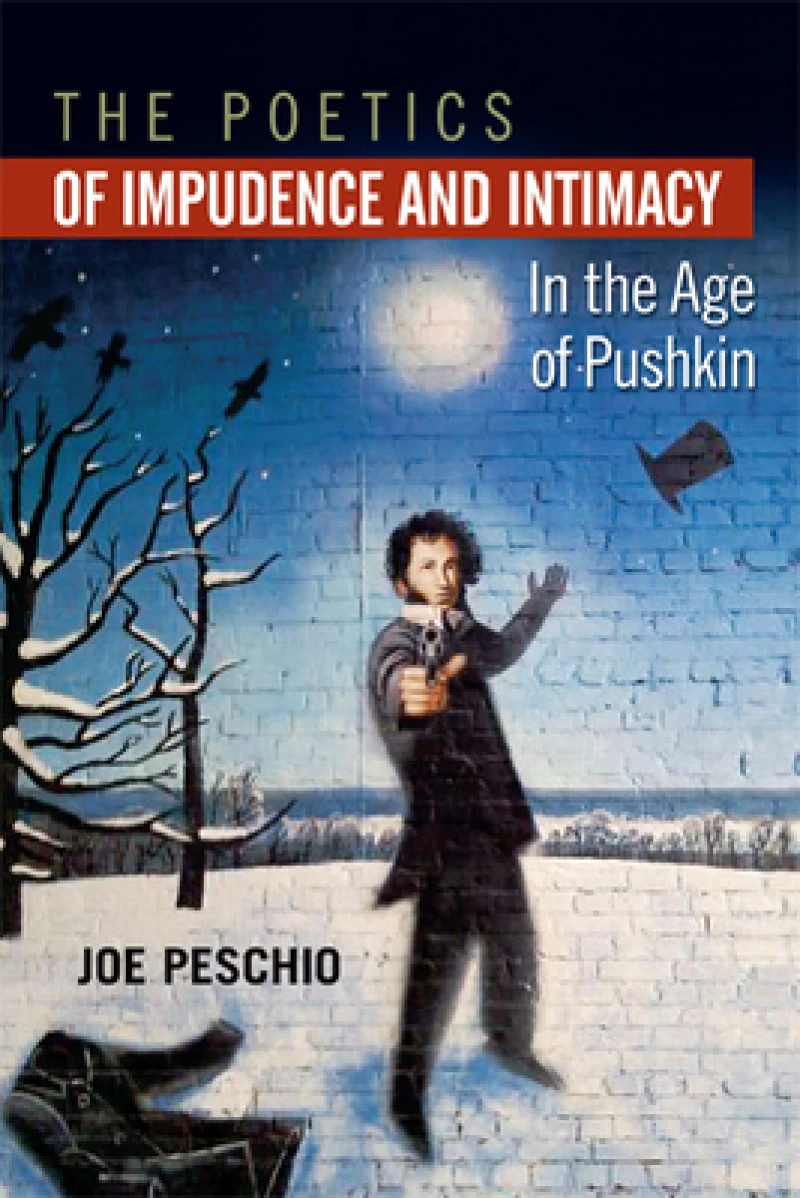
The Poetics of Impudence and Intimacy in the Age of Pushkin
by
Joe Peschio
Book Details
Format
Paperback / Softback
ISBN-10
0299290441
ISBN-13
9780299290443
Publisher
University of Wisconsin Press
Imprint
University of Wisconsin Press
Country of Manufacture
US
Country of Publication
GB
Publication Date
Feb 13th, 2013
Print length
168 Pages
Weight
300 grams
Dimensions
22.30 x 14.90 x 1.20 cms
Ksh 4,250.00
Temporarily out of stock, due soon
0 in stock
Delivery Location
Delivery fee: Select location
Secure
Quality
Fast
In early nineteenth-century Russia, members of jocular literary societies gathered to recite works written in the lightest of genres: the friendly verse epistle, the burlesque, the epigram, the comic narrative poem, the prose parody. In a period marked by the Decembrist Uprising and heightened state scrutiny into private life, these activities were hardly considered frivolous; such works and the domestic, insular spaces within which they were created could be seen by the Russian state as rebellious, at times even treasonous.
Joe Peschio offers the first comprehensive history of a set of associated behaviours known in Russian as “shalosti,” a word which at the time could refer to provocative behaviours like practical joking, insubordination, ritual humiliation, or vandalism, among other things, but also to literary manifestations of these behaviours such as the use of obscenities in poems, impenetrably obscure allusions, and all manner of literary inside jokes. One of the period’s most fashionable literary and social poses became this complex of behaviours taken together. Peschio explains the importance of literary shalosti as a form of challenge to the legitimacy of existing literary institutions and sometimes the Russian regime itself. Working with a wide variety of primary texts—from verse epistles to denunciations, etiquette manuals, and previously unknown archival materials—Peschio argues that the formal innovations fuelled by such “prankish” types of literary behaviour posed a greater threat to the watchful Russian government and the literary institutions it fostered than did ordinary civic verse or overtly polemical prose.
Joe Peschio offers the first comprehensive history of a set of associated behaviours known in Russian as “shalosti,” a word which at the time could refer to provocative behaviours like practical joking, insubordination, ritual humiliation, or vandalism, among other things, but also to literary manifestations of these behaviours such as the use of obscenities in poems, impenetrably obscure allusions, and all manner of literary inside jokes. One of the period’s most fashionable literary and social poses became this complex of behaviours taken together. Peschio explains the importance of literary shalosti as a form of challenge to the legitimacy of existing literary institutions and sometimes the Russian regime itself. Working with a wide variety of primary texts—from verse epistles to denunciations, etiquette manuals, and previously unknown archival materials—Peschio argues that the formal innovations fuelled by such “prankish” types of literary behaviour posed a greater threat to the watchful Russian government and the literary institutions it fostered than did ordinary civic verse or overtly polemical prose.
Get The Poetics of Impudence and Intimacy in the Age of Pushkin by at the best price and quality guaranteed only at Werezi Africa's largest book ecommerce store. The book was published by University of Wisconsin Press and it has pages.

