
Book Details
Format
Paperback / Softback
Book Series
Africa in Development
ISBN-10
3039119427
ISBN-13
9783039119424
Edition
New
Publisher
Verlag Peter Lang
Imprint
Verlag Peter Lang
Country of Manufacture
CH
Country of Publication
GB
Publication Date
Jul 17th, 2009
Print length
227 Pages
Weight
354 grams
Dimensions
15.20 x 22.50 x 1.40 cms
Ksh 9,250.00
Manufactured on Demand
0 in stock
Delivery Location
Delivery fee: Select location
Secure
Quality
Fast
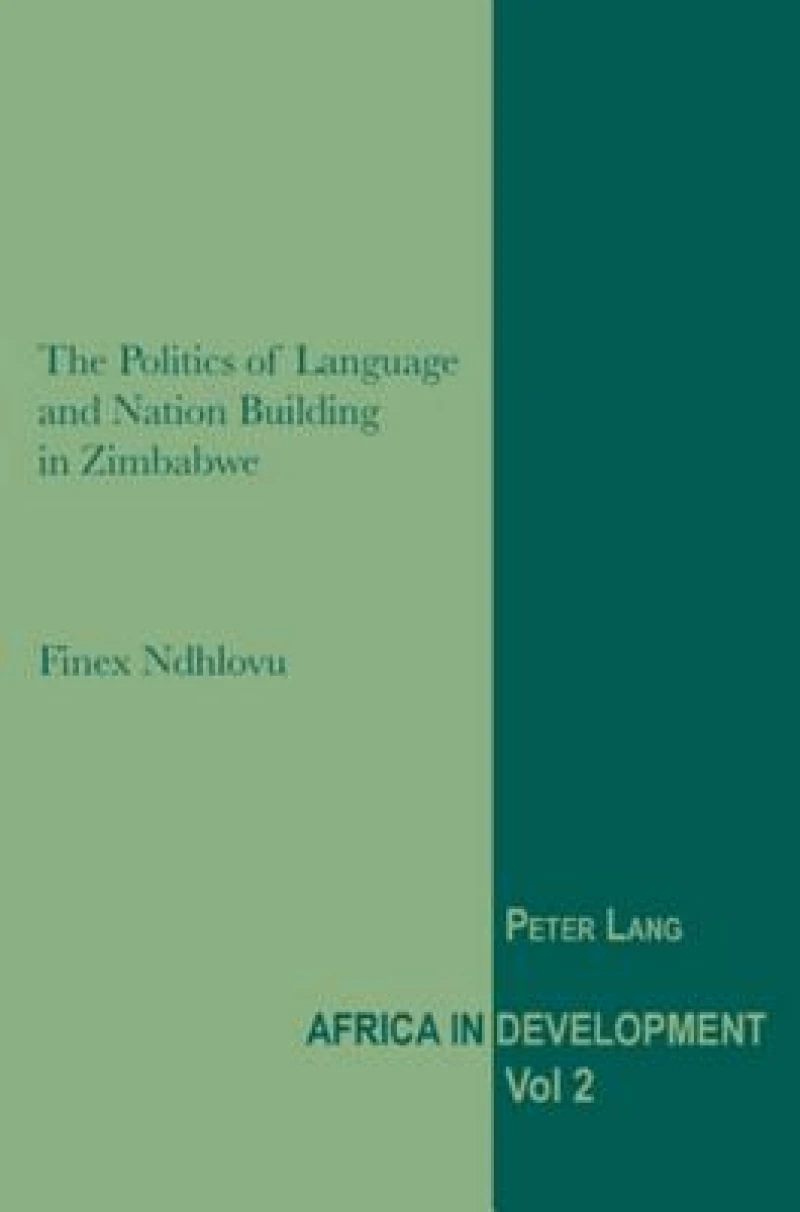
This book examines the exclusion of minority languages (and their speakers) from the mainstream domains of everyday social life in postcolonial Zimbabwe. It considers forces of hegemonic nation building, subtle cultural oppression and a desire for linguistic uniformity as major factors contributing to the social exclusion of Zimbabweans from language groups other than Shona and Ndebele. The book interprets the various forms of language-based exclusion exercised by Shona and Ndebele language speakers over minority groups as constituting a form of linguistic imperialism. Contrary to the popular view that English is Zimbabwe’s «killer language», which should be replaced by selected indigenous languages that are perceived as more nationally «authentic» and better grounded in both pre- and post-imperial frameworks, this book argues that linguistic imperialism has very little to do with whether the dominating language is «foreign» or «indigenous». The author discusses oral submissions from minority language speakers, language experts, policy-makers and educators. While the focus is specifically on the politics of language and identity in Zimbabwe, this case study gives an insight into the complexity of identity and nation building in postcolonial Africa.
This book examines the exclusion of minority languages (and their speakers) from the mainstream domains of everyday social life in postcolonial Zimbabwe. It considers forces of hegemonic nation building, subtle cultural oppression and a desire for linguistic uniformity as major factors contributing to the social exclusion of Zimbabweans from language groups other than Shona and Ndebele. The book interprets the various forms of language-based exclusion exercised by Shona and Ndebele language speakers over minority groups as constituting a form of linguistic imperialism. Contrary to the popular view that English is Zimbabwe’s «killer language», which should be replaced by selected indigenous languages that are perceived as more nationally «authentic» and better grounded in both pre- and post-imperial frameworks, this book argues that linguistic imperialism has very little to do with whether the dominating language is «foreign» or «indigenous». The author discusses oral submissions from minority language speakers, language experts, policy-makers and educators. While the focus is specifically on the politics of language and identity in Zimbabwe, this case study gives an insight into the complexity of identity and nation building in postcolonial Africa.
Get The Politics of Language and Nation Building in Zimbabwe by at the best price and quality guaranteed only at Werezi Africa's largest book ecommerce store. The book was published by Verlag Peter Lang and it has pages.

