
Cart 0
The Positive Psychology of Buddhism and Yoga
Click to zoom

Share this book

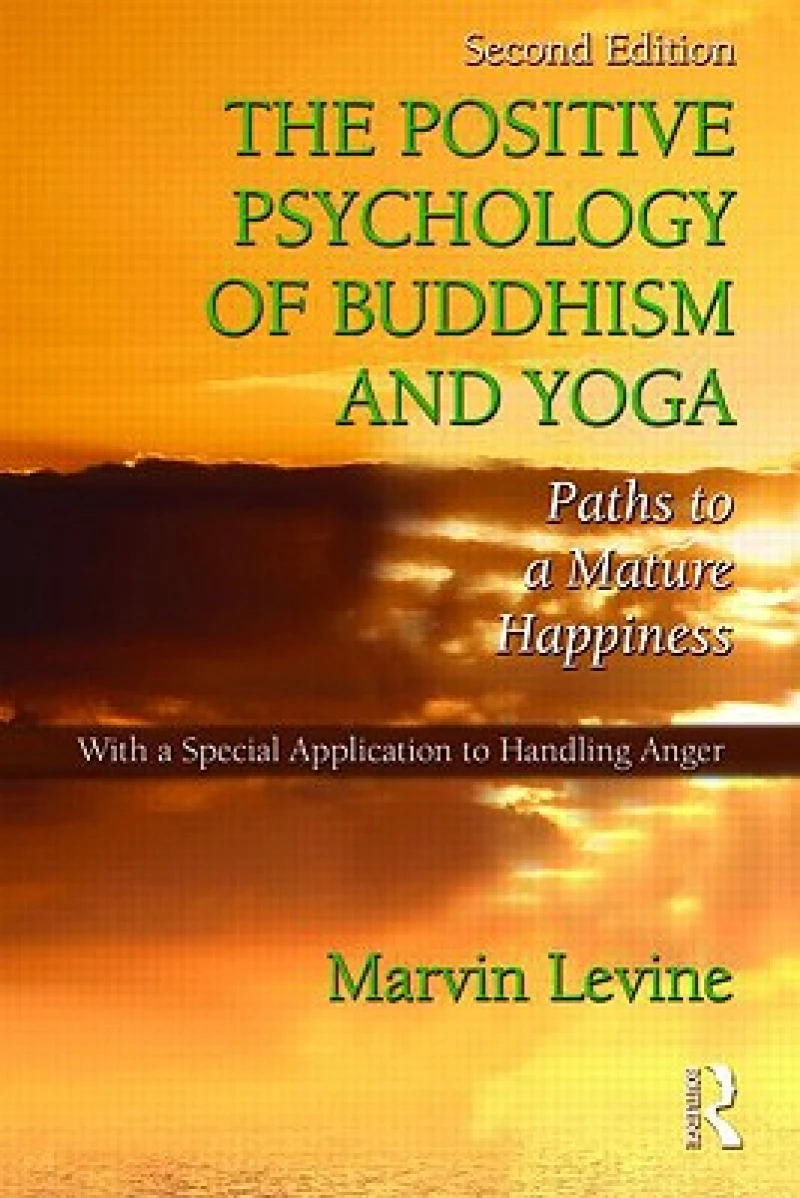
The Positive Psychology of Buddhism and Yoga : Paths to A Mature Happiness

Book Details

Format Paperback / Softback
ISBN-10 1848728514
ISBN-13 9781848728516
Publisher Taylor & Francis Ltd
Imprint Routledge
Country of Manufacture GB
Country of Publication GB
Publication Date Jul 14th, 2009
Print length 288 Pages
Weight 448 grams
Dimensions 15.30 x 22.90 x 5.90 cms
Product Classification: BuddhismPsychologyMedical counselling
Ksh 8,800.00
Werezi Extended Catalogue 0 in stock

Delivery Location

Delivery fee: Select location

Secure
Quality
Fast
This book describes Buddhist-Yogic ideas in relation to those of contemporary Western psychology. The book begins with the Buddhist view of the human psyche and of the human condition. This leads to the question of what psychological changes need to be made to improve that condition. Similarities between Buddhism and Western Psychology include:Both are concerned with alleviating inner pain, turmoil, affliction and suffering. Both are humanistic and naturalistic in that they focus on the human condition and interpret it in natural terms. Both view the human being as caught in a causal framework, in a matrix of forces such as cravings or drives which are produced by both our biology and our beliefs. Both teach the appropriatenss of compassion, concern and unconditional positive regard towards others. Both share the ideal of maturing or growth. In the East and the West, this is interpreted as greater self possession, diminished cravings and agitations, less impulsivity and deeper observations which permit us to monitor and change our thoughts and emotional states. Buddhism, Yoga, and Western Psychology, especially the recent emphasis on positive psychology, are concerned with the attainment of deep and lasting happiness. The thesis of all three is that self-transformation is the surest path to this happiness.

This book describes Buddhist-Yogic ideas in relation to those of contemporary Western psychology. The book begins with the Buddhist view of the human psyche and of the human condition. This leads to the question of what psychological changes need to be made to improve that condition. Similarities between Buddhism and Western Psychology include:

Both are concerned with alleviating inner pain, turmoil, affliction and suffering.

Both are humanistic and naturalistic in that they focus on the human condition and interpret it in natural terms.

Both view the human being as caught in a causal framework, in a matrix of forces such as cravings or drives which are produced by both our biology and our beliefs.

Both teach the appropriatenss of compassion, concern and unconditional positive regard towards others.

Both share the ideal of maturing or growth. In the East and the West, this is interpreted as greater self possession, diminished cravings and agitations, less impulsivity and deeper observations which permit us to monitor and change our thoughts and emotional states.

Buddhism, Yoga, and Western Psychology, especially the recent emphasis on positive psychology, are concerned with the attainment of deep and lasting happiness. The thesis of all three is that self-transformation is the surest path to this happiness.


Get The Positive Psychology of Buddhism and Yoga by at the best price and quality guaranteed only at Werezi Africa's largest book ecommerce store. The book was published by Taylor & Francis Ltd and it has pages.


Mind, Body, & Spirit

Shopping Cart

Africa largest book store

Sub Total:
Ebooks

Digital Library
Coming Soon

Our digital collection is currently being curated to ensure the best possible reading experience on Werezi. We'll be launching our Ebooks platform shortly.