
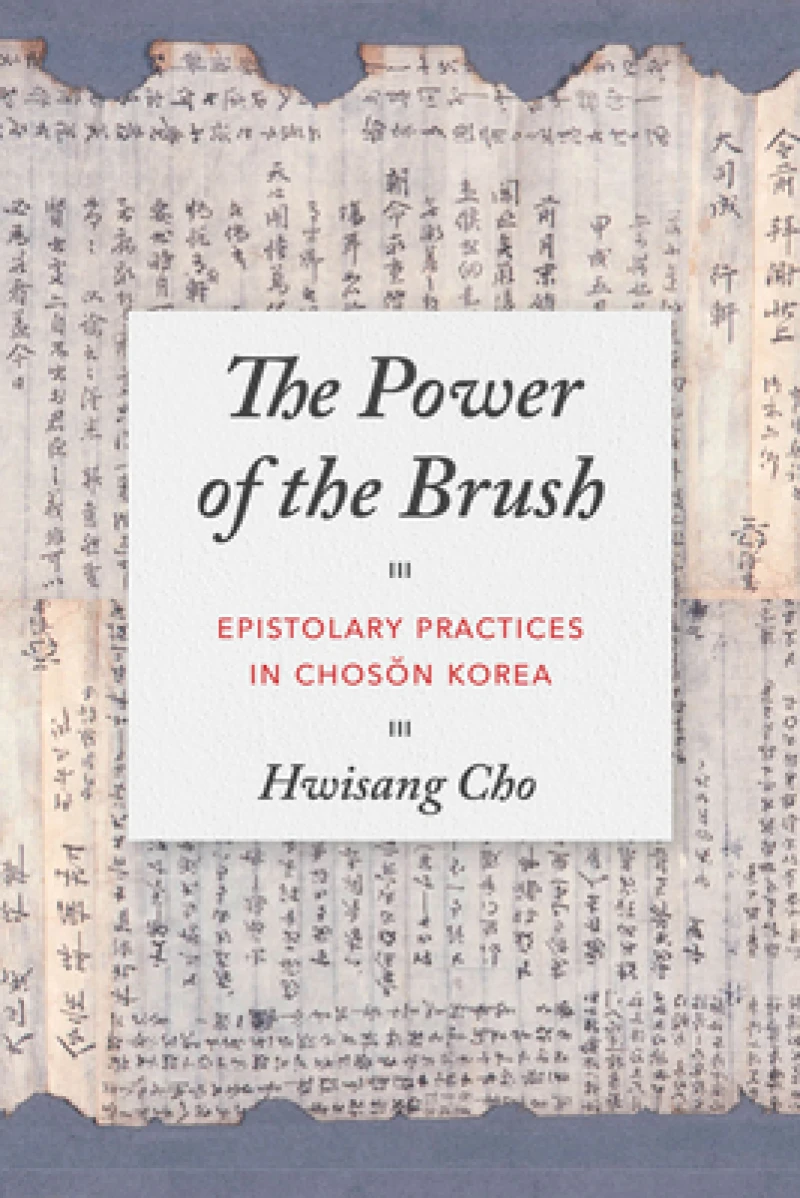
The Power of the Brush : Epistolary Practices in Choson Korea
by
Hwisang Cho
Book Details
Format
Hardback or Cased Book
ISBN-10
0295747803
ISBN-13
9780295747804
Publisher
University of Washington Press
Imprint
University of Washington Press
Country of Manufacture
GB
Country of Publication
GB
Publication Date
Dec 15th, 2020
Print length
290 Pages
Weight
566 grams
Dimensions
23.60 x 15.90 x 2.60 cms
Product Classification:
Diaries, letters & journalsAsian history
Ksh 22,050.00
Temporarily out of stock, due soon
0 in stock
Delivery Location
Delivery fee: Select location
Secure
Quality
Fast
Finalist for the inaugural ACLS Open Access Book PrizeHonorable Mention, 2022 James B. Palais Book Prize from the Association for Asian Studies (AAS)Honorable Mention, 28th Annual Modern Language Association Prize for a First Book (MLA)Shortlisted for the 2021 George A. and Jeanne S. DeLong Book History Book Prize from the Society for the History of Authorship, Reading and Publishing (SHARP)How a letter-writing revolution facilitated social change in premodern KoreaThe invention of an easily learned Korean alphabet in the mid-fifteenth century sparked an "epistolary revolution" in the following century as letter writing became an indispensable daily practice for elite men and women alike. The amount of correspondence increased exponentially as new epistolary networks were built among scholars and within families, and written culture created room for appropriation and subversion by those who joined epistolary practices. Focusing on the ways that written culture interacts with philosophical, social, and political changes, The Power of the Brush examines the social effects of these changes and adds a Korean perspective to the evolving international discourse on the materiality of texts. It demonstrates how innovative uses of letters and the appropriation of letter-writing practices empowered elite cultural, social, and political minority groups: Confucians who did not have access to the advanced scholarship of China; women who were excluded from the male-dominated literary culture, which used Chinese script; and provincial literati, who were marginalized from court politics. New modes of reading and writing that were developed in letter writing precipitated changes in scholarly methodology, social interactions, and political mobilization. Even today, remnants of these traditional epistolary practices endure in media and political culture, reverberating in new communications technologies. The Power of the Brush is freely available in an open access edition thanks to TOME (Toward an Open Monograph Ecosystem) and the generous support of Emory University and the Andrew W. Mellon Foundation. DOI 10.6069/9780295747828
Get The Power of the Brush by at the best price and quality guaranteed only at Werezi Africa's largest book ecommerce store. The book was published by University of Washington Press and it has pages.

