
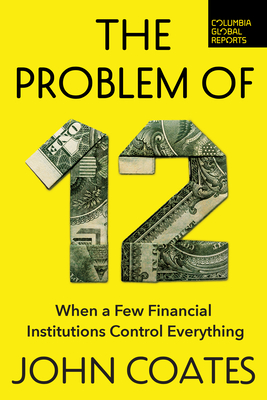
The Problem of Twelve : When a Few Financial Institutions Control Everything
by
John Coates
Book Details
Format
Paperback / softback
ISBN-10
898705354Y
ISBN-13
9798987053546
Publisher
Columbia Global Reports
Imprint
Columbia Global Reports
Country of Manufacture
GB
Country of Publication
GB
Publication Date
Sep 21st, 2023
Print length
192 Pages
Weight
220 grams
Dimensions
12.60 x 19.00 x 1.60 cms
KSh 2,350.00
Werezi Extended Catalogue
Delivery in 12 days
1 copies in stock
Delivery Location
Delivery fee: Select location
Delivery in 12 days
Secure
Quality
Fast
The forces behind an economic and political crisis in the making
A "problem of twelve" arises when a small number of institutions acquire the means to exert outsized influence over the politics and economy of a nation.
The Big Four index funds of Vanguard, State Street, Fidelity, and BlackRock control more than twenty percent of the votes of S&P 500 companies-a concentration of power that''s unprecedented in America. Then there’s the rise of private equity funds such as the Big Four of Apollo, Blackstone, Carlyle and KKR, which has amassed $2.7 trillion of assets, and are eroding the legitimacy and accountability of American capitalism, not by controlling public companies, but by taking them over entirely, and removing them from public discourse and public scrutiny.
This quiet accumulation in the last few decades represents a dramatic transformation in how the American economy operates—a sea change that few of us have noticed and all of us need to consider. Harvard law professor John Coates forcefully calls our attention to what is sure to be one of the major political and economic issues of our time.
A "problem of twelve" arises when a small number of institutions acquire the means to exert outsized influence over the politics and economy of a nation.
The Big Four index funds of Vanguard, State Street, Fidelity, and BlackRock control more than twenty percent of the votes of S&P 500 companies-a concentration of power that''s unprecedented in America. Then there’s the rise of private equity funds such as the Big Four of Apollo, Blackstone, Carlyle and KKR, which has amassed $2.7 trillion of assets, and are eroding the legitimacy and accountability of American capitalism, not by controlling public companies, but by taking them over entirely, and removing them from public discourse and public scrutiny.
This quiet accumulation in the last few decades represents a dramatic transformation in how the American economy operates—a sea change that few of us have noticed and all of us need to consider. Harvard law professor John Coates forcefully calls our attention to what is sure to be one of the major political and economic issues of our time.
Get The Problem of Twelve by John Coates at the best price and quality guaranteed only at Werezi Africa's largest book ecommerce store. The book was published by Columbia Global Reports and it has 192 pages.
Customers Who Bought This Also Bought

The Road to Serfdom
KSh 3,600.00
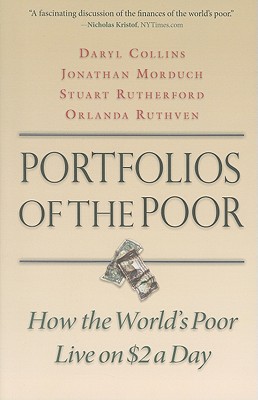
Portfolios of the Poor – How the World`s Poor Live on $2 a Day
KSh 5,400.00

Radical Intimacy
KSh 2,900.00
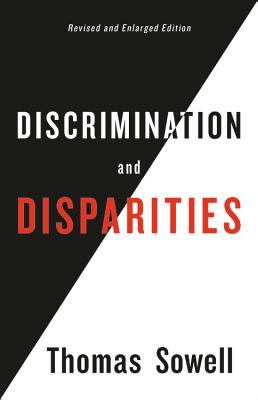
Discrimination and Disparities
KSh 5,400.00
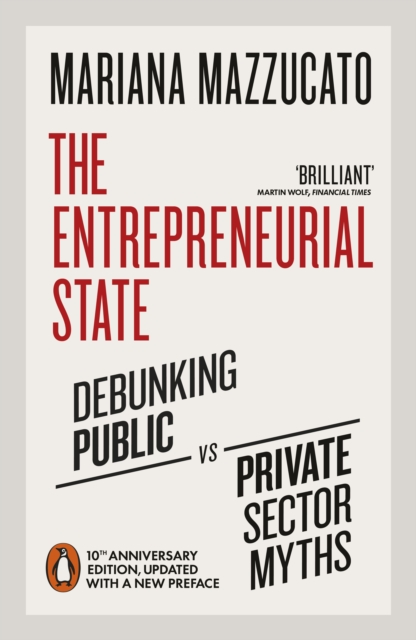
Entrepreneurial State
KSh 2,350.00
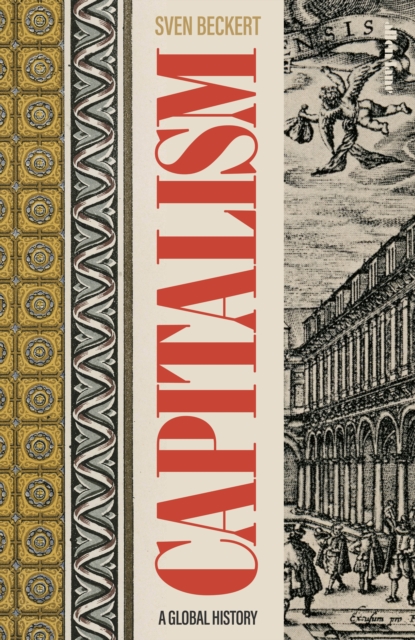
Capitalism
KSh 9,000.00
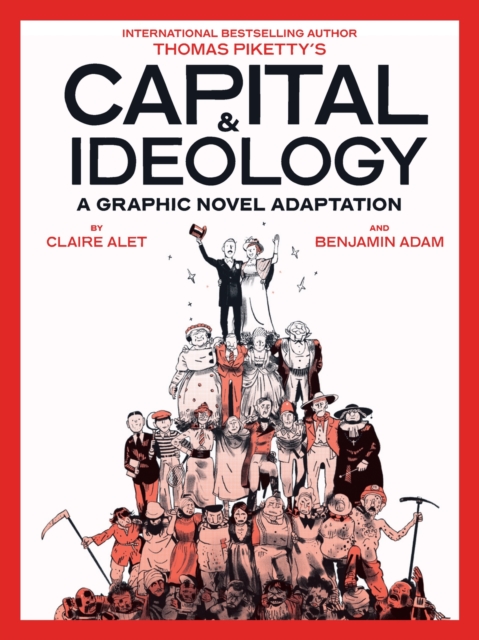
Capital & Ideology
KSh 3,050.00
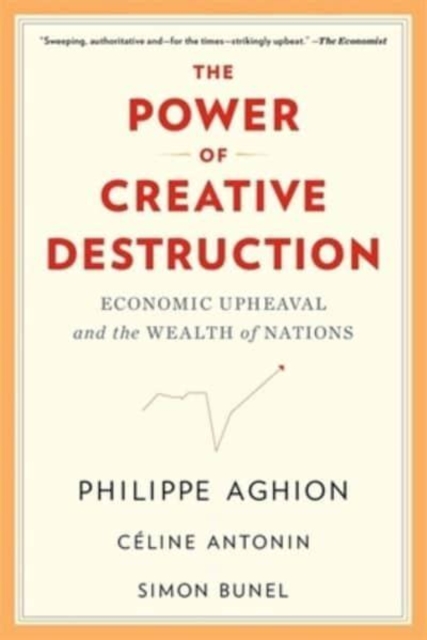
The Power of Creative Destruction – Economic Upheaval and the Wealth of Nations
KSh 3,250.00
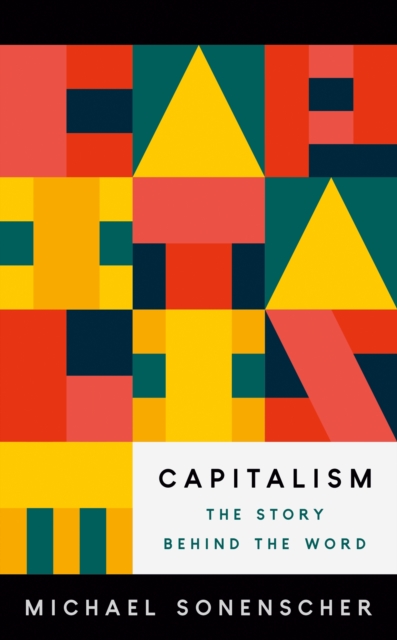
Capitalism – The Story behind the Word
KSh 2,500.00

Deficit Myth
KSh 2,350.00
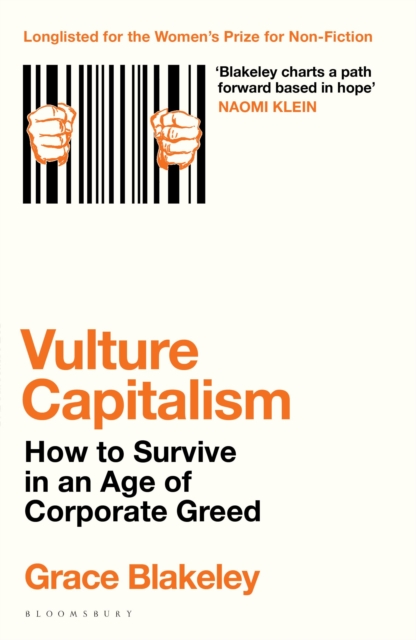
Vulture Capitalism
KSh 2,000.00
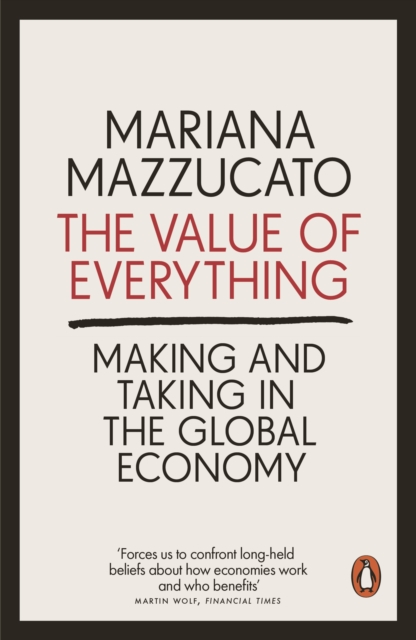
Value of Everything
KSh 2,350.00
More by John Coates
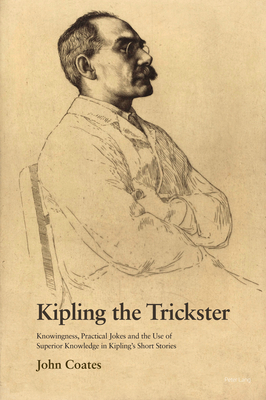
Kipling the Trickster
KSh 8,150.00
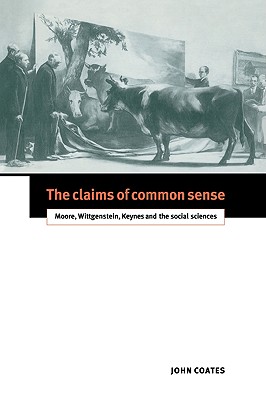
The Claims of Common Sense
KSh 7,550.00

The Claims of Common Sense
KSh 17,800.00
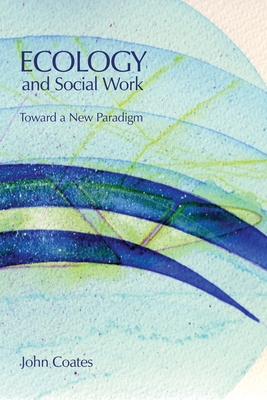
Ecology and Social Work
KSh 3,400.00
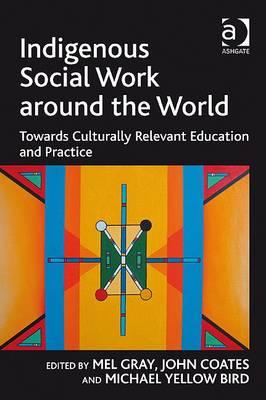
Indigenous Social Work around the World
KSh 9,450.00
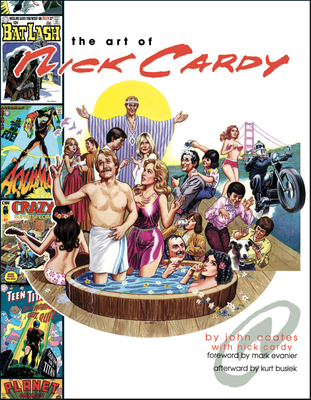
Art of Nick Cardy
KSh 2,700.00

Patience
KSh 3,200.00

Hour Between Dog & Wolf
KSh 2,350.00
Indigenous Social Work around the World
KSh 28,800.00
