

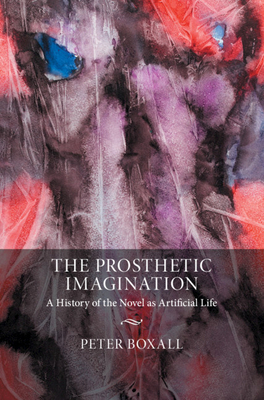
The Prosthetic Imagination : A History of the Novel as Artificial Life
by
Peter Boxall
Book Details
Format
Paperback / softback
ISBN-10
1108819125
ISBN-13
9781108819121
Publisher
Cambridge University Press
Imprint
Cambridge University Press
Country of Manufacture
GB
Country of Publication
GB
Publication Date
May 29th, 2025
Print length
423 Pages
Weight
612 grams
Dimensions
15.20 x 22.90 x 2.50 cms
KSh 6,700.00
Currently unavailable
0 in stock
Delivery Location
Delivery fee: Select location
Secure
Quality
Fast
This book offers an account of the historical development of the novel as a means of imagining and fashioning our bodies and our environments, in order to suggest that prose fiction can help us to understand new forms of artificial life as they are emerging in the twenty-first century.
In The Prosthetic Imagination, leading critic Peter Boxall argues that we are now entering an artificial age, in which our given bodies enter into new conjunctions with our prosthetic extensions. This new age requires us to reimagine our relation to our bodies, and to our environments, and Boxall suggests that the novel as a form can guide us in this imaginative task. Across a dazzling range of prose fictions, from Thomas More''s Utopia to Margaret Atwood''s Oryx and Crake, Boxall shows how the novel has played a central role in forging the bodies in which we extend ourselves into the world. But if the novel has helped to give our world a human shape, it also contains forms of life that elude our existing human architectures: new amalgams of the living and the non-living that are the hidden province of the novel imagination. These latent conjunctions, Boxall argues, are preserved in the novel form, and offer us images of embodied being that can help us orient ourselves to our new prosthetic condition.
Get The Prosthetic Imagination by Peter Boxall at the best price and quality guaranteed only at Werezi Africa's largest book ecommerce store. The book was published by Cambridge University Press and it has 423 pages.
Customers Who Bought This Also Bought
Dreams in a Time of War
KSh 3,050.00
The Picture of Dorian Gray
KSh 1,250.00
Pride and Prejudice
KSh 1,150.00
Fire Next Time
KSh 1,800.00

Letters of J R R Tolkien
KSh 2,350.00
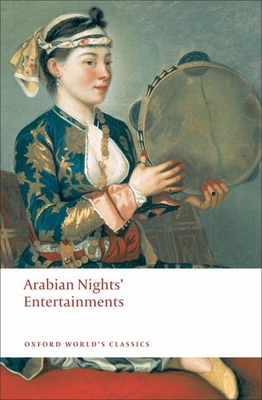
Arabian Nights'' Entertainments
KSh 2,950.00
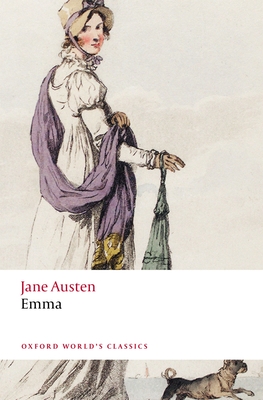
Emma
KSh 1,350.00
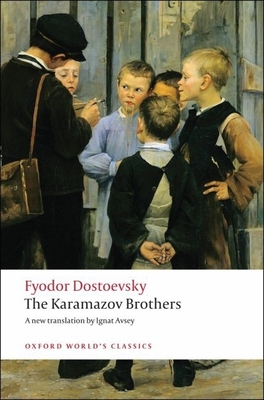
The Karamazov Brothers
KSh 2,100.00
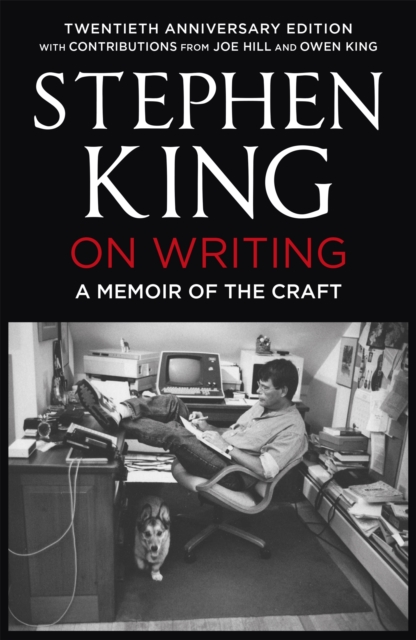
On Writing
KSh 2,000.00
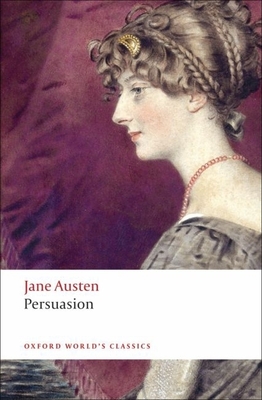
Persuasion
KSh 1,100.00
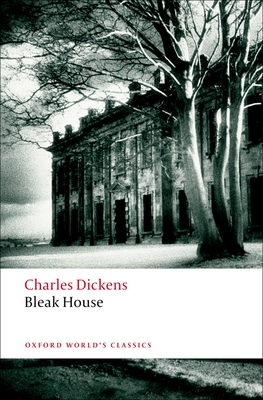
Bleak House
KSh 2,150.00

To the Lighthouse
KSh 1,450.00
More by Peter Boxall

Beckett & Leopardi
KSh 9,900.00

Beckett & Leopardi
KSh 3,250.00

The Value of the Novel
KSh 3,350.00

The Value of the Novel
KSh 7,000.00
The Prosthetic Imagination
KSh 7,350.00

Twenty-First-Century Fiction
KSh 4,800.00

The Possibility of Literature
KSh 6,050.00

Don DeLillo
KSh 30,950.00

Don DeLillo
KSh 10,450.00
