

The Protestant Ethic in Hungary : The Puritan Ethic and its Influence
1. Edition
Book Details
Format
Hardback
ISBN-10
3525540892
ISBN-13
9783525540893
Edition
1. Edition
Publisher
Vandenhoeck & Ruprecht GmbH & Co KG
Imprint
Vandenhoeck & Ruprecht GmbH & Co KG
Country of Manufacture
GB
Country of Publication
GB
Publication Date
Apr 15th, 2024
Print length
238 Pages
Weight
519 grams
Dimensions
23.50 x 16.00 x 2.10 cms
Product Classification:
HungaryProtestantism & Protestant ChurchesProtestantism and Protestant Churches
KSh 24,100.00
Currently unavailable
0 in stock
Delivery Location
Delivery fee: Select location
Secure
Quality
Fast
The Hungarian Calvinism of the 17th century shows its differences from the Weberian Protestant ethic ideal-type
While in the 16-17th centuries about the two thirds of the Hungarians belonged to the Reformed Church, the presence of the "spirit of capitalism" and the "protestant ethic" is rather questionable. The Calvinists did not played a different or decisive role in the capitalisation process of Hungary at the end of the 19th century. The historical analysis focuses on the puritan doctrines can be foun in the religiosity of Hungarian puritans and Reformed people in the 17th century. The "Hungarian Protestant ethic" differs from Weber's ideal-type in two respects: the Hungarian version is more pietistic, less activist; and it seems to have less practical influence in everyday life because of the weak religiosity. The Hungarian case does not refute Weber's thesis, but it call the attention to two important parts of historical analysis: the reinterpreting, selecting procedure in social context; and the intensity of religiosity.
Get The Protestant Ethic in Hungary by Attila K. Molnár at the best price and quality guaranteed only at Werezi Africa's largest book ecommerce store. The book was published by Vandenhoeck & Ruprecht GmbH & Co KG and it has 238 pages.
Customers Who Bought This Also Bought

Essential Luther
KSh 4,150.00

Appalachian Mountain Christianity
KSh 4,300.00

Appalachian Mountain Christianity
KSh 26,700.00

Deep South
KSh 5,900.00

Sinner Saint
KSh 2,150.00

An Island in the Lake of Fire – Bob Jones University, Fundamentalism, and the Separatist Movement
KSh 4,950.00
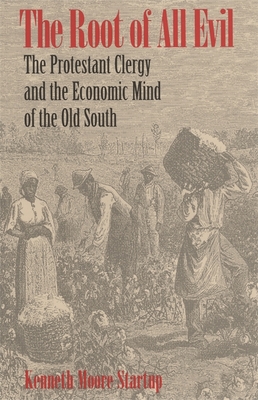
The Root of All Evil
KSh 11,450.00

Martyrs of Henry VIII
KSh 3,050.00

From a Far Country from a Far Country
KSh 11,100.00

The Protestant Voice in American Pluralism
KSh 3,500.00

The Good Forest
KSh 26,700.00

On Jordan`s Stormy Banks – Evangelicalism in Mississippi, 1773–1876
KSh 6,100.00
