
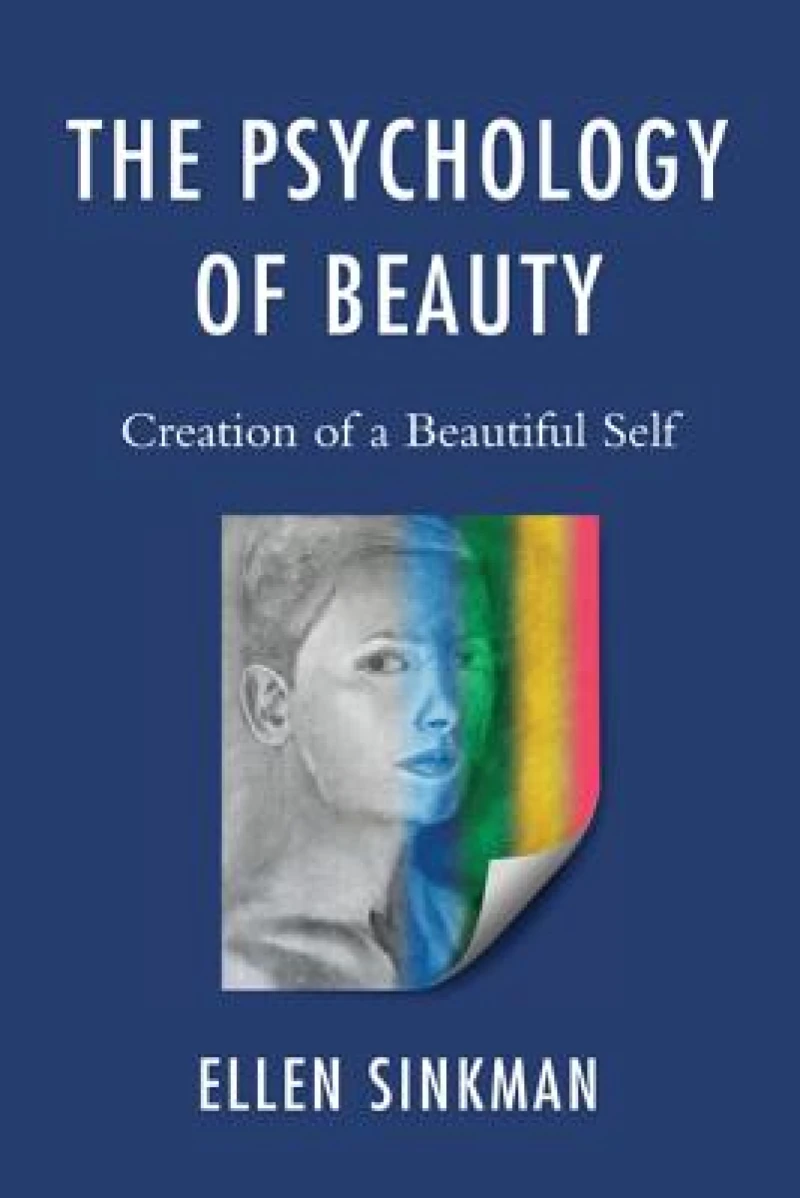
The Psychology of Beauty : Creation of a Beautiful Self
Book Details
Format
Paperback / Softback
ISBN-10
1442238194
ISBN-13
9781442238190
Publisher
Bloomsbury Publishing Plc
Imprint
Rowman & Littlefield Publishers
Country of Manufacture
GB
Country of Publication
GB
Publication Date
Jul 9th, 2014
Print length
180 Pages
Weight
280 grams
Dimensions
22.90 x 15.60 x 1.40 cms
Product Classification:
Psychoanalytical theory (Freudian psychology)Clinical psychology
Ksh 7,750.00
Manufactured on Demand
0 in stock
Delivery Location
Delivery fee: Select location
Secure
Quality
Fast
This book addresses the vital importance of beauty, its sources, and manifestations in everyone’s lives—including psychotherapy patients. During psychotherapy, patients manifest or defend against the desire to be beautiful. This book considers definitions of beauty, gender identity themes, and origins of beauty in the mother-infant relationship.
Beauty is often an invisible yet potent presence in clinical work. The Psychology of Beauty: Creation of a Beautiful Self, by Ellen Sinkman, LCSW, addresses the vital importance of beauty, its sources, and manifestations in everyone’s lives—including psychotherapy patients. The ability to be mesmerizingly beautiful and beautifully creative, strivings toward mastering beauty, and wishes to be transformed are universal desires. During psychotherapy, patients manifest or defend against these forces. So it is striking that patients as well as therapists often overlook or dismiss issues about creating beauty in themselves.The book introduces this seeming contradiction with the ancient myth of Pygmalion and his sculpture of a beautiful woman. These enduring mythic figures represent the wish to emerge as a beautiful being and the wish for the power to create beauty in another. Patients in psychotherapy often pursue these elusive goals outside clinical work, rather than within treatment. Manifold venues enticingly promise reinvention. These activities may involve plastic surgery, beauty salon make-overs, diet gurus, elocution coaches, tattooing, and athletic training. Seekers of beauty engage with people whom they see as agents offering them ravishing physical or charismatic attractiveness. Psychotherapists may or may not be among agents seen as having the power to transform.The quest for beauty is widespread and in many instances non-pathological. Sinkman looks at multiple avenues of understanding and appreciation of efforts toward beauty, including artistic creativity and political activities. However there is a spectrum of investment in creating beauty. Pursuing beauty can become pathological. Therapists need to watch out for its appearance outside the psychoanalytic arena. Such material can be missed when the analyst falls into counter-transference difficulties such as feeling invested in transforming the patient, identifying with the patient’s narcissistic injuries and/or needs to compete, or enacting battles with the patient. Such difficulties interfere with attunement to patients’ experiences. The Psychology of Beauty considers definitions of beauty, gender identity themes, and origins of beauty in the mother-infant relationship. It investigates ugliness, sadomasochistic beauty pursuits, evolutionary factors, and aspects of aging. The book highlights emerging clinical material which has yet to gain notice and suggests what analysts may be missing, and why.
Get The Psychology of Beauty by at the best price and quality guaranteed only at Werezi Africa's largest book ecommerce store. The book was published by Bloomsbury Publishing Plc and it has pages.

