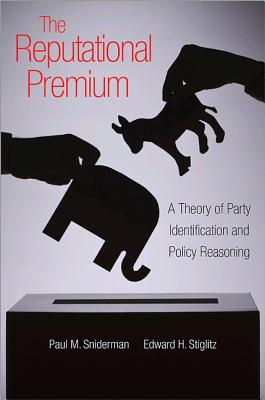
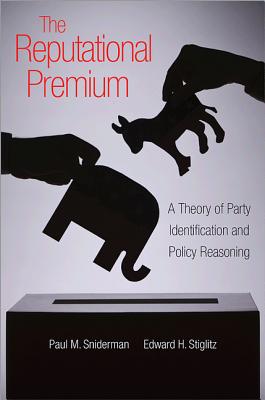
The Reasoning State
Book Details
Format
Hardback
ISBN-10
1108485960
ISBN-13
9781108485968
Publisher
Cambridge University Press
Imprint
Cambridge University Press
Country of Manufacture
GB
Country of Publication
GB
Publication Date
Jun 30th, 2022
Print length
318 Pages
Weight
600 grams
Dimensions
23.50 x 15.20 x 2.10 cms
KSh 16,550.00
Currently unavailable
0 in stock
Delivery Location
Delivery fee: Select location
Secure
Quality
Fast
Employing an inter-disciplinary approach, this book develops a theory of the modern state based on the concept of trust. It is valuable to readers interested in Administrative and Constitutional Law, the history of the Early Republic or the Progressive Era, positive political theory, and experimental social science methods.
Administrative bodies, not legislatures, are the primary lawmakers in our society. This book develops a theory to explain this fact based on the concept of trust. Drawing upon Law, History and Social Science, Edward H. Stiglitz argues that a fundamental problem of trust pervades representative institutions in complex societies. Due to information problems that inhere to complex societies, the public often questions whether the legislature is acting on their behalf—or is instead acting on the behalf of narrow, well-resourced concerns. Administrative bodies, as constrained by administrative law, promise procedural regularity and relief from aspects of these information problems. This book addresses fundamental questions of why our political system takes the form that it does, and why administrative bodies proliferated in the Progressive Era. Using novel experiments, it empirically supports this theory and demonstrates how this vision of the state clarifies prevailing legal and policy debates.
Get The Reasoning State by Edward H. Stiglitz at the best price and quality guaranteed only at Werezi Africa's largest book ecommerce store. The book was published by Cambridge University Press and it has 318 pages.
Customers Who Bought This Also Bought
Message
KSh 3,400.00
Corruptible
KSh 2,350.00
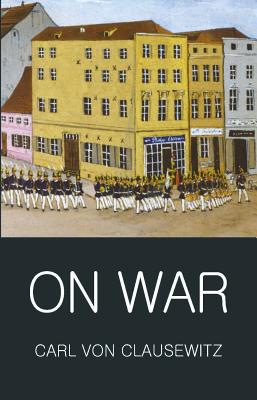
On War
KSh 1,200.00
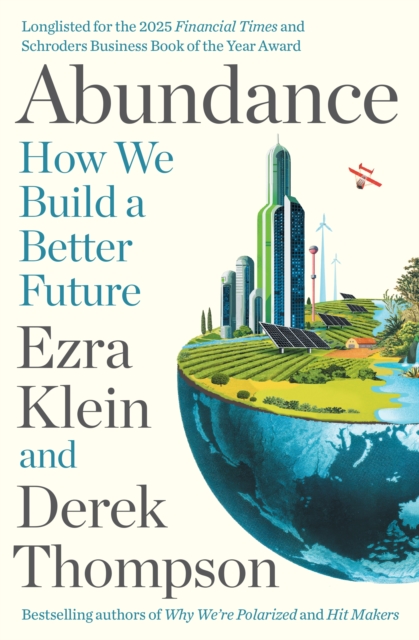
Abundance
KSh 2,150.00
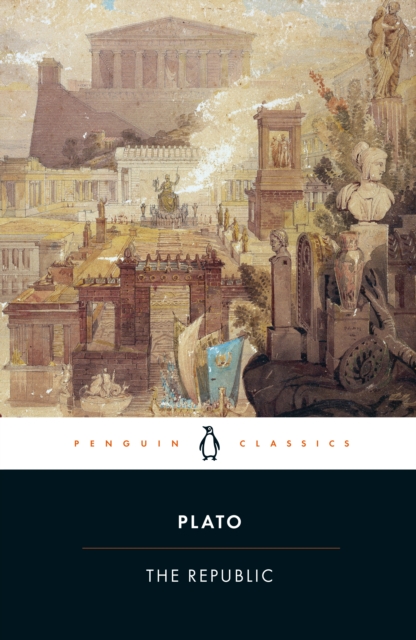
The Republic
KSh 2,350.00
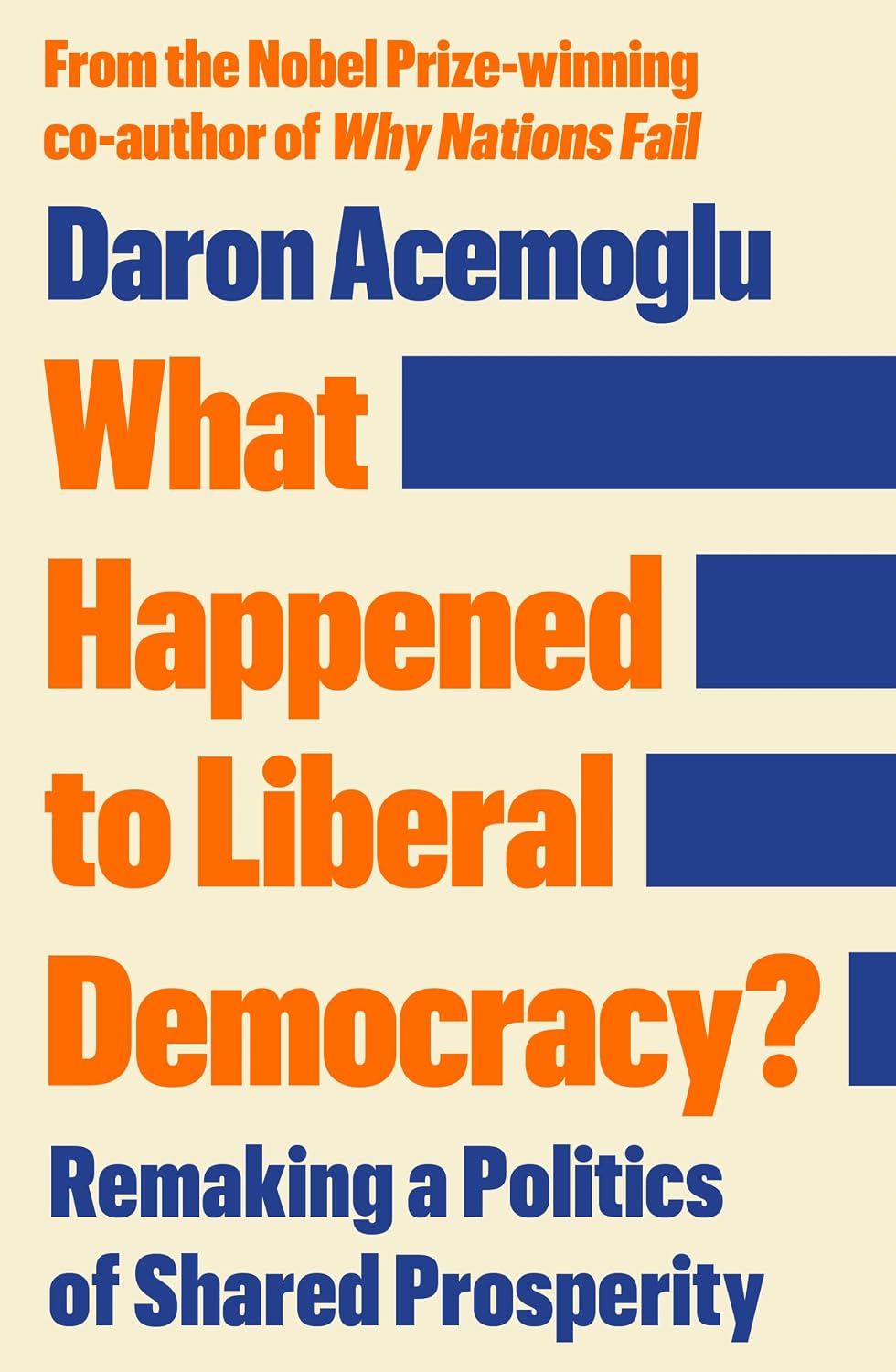
What Happened to Liberal Democracy?
KSh 3,050.00
Pedagogy of the Oppressed
KSh 2,000.00

Great Ideas Social Contract
KSh 1,450.00

Fire Next Time; Nobody Knows My Name ; No Name In The Street; The Devil Finds Work
KSh 3,400.00
The Body Politic
KSh 700.00
The Prince The Original Classic
KSh 2,150.00
The Fourth Turning Is Here
KSh 2,600.00